
Futmak · الفتوحات المكية · Meccan Revelations

Les Futûhât al-Makkiyya

Volume du manuscrit 4 · Page 6

Manuscrit de Konya

Ouvrir la source arabeOuvrir la traduction anglaise

Arabe

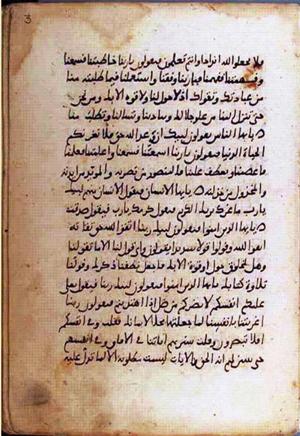
فَلا تَجْعَلُوا لِلَّهِ أَنْداداً وأَنْتُمْ تَعْلَمُونَ﴾ [البقرة: ٢١، ٢٢]. فيقولون: «يا ربنا خاطبتنا فسمعنا، وفهمتنا ففهمنا؛ فيا ربنا وفقنا واستعملنا فيما طلبته منا من عبادتك وتقواك، إذ لا حول لنا ولا قوة إلا بك. ومن نحن حتى تنزل إلينا من علو جلالك وتنادينا وتسألنا وتطلب منا؟»

﴿يا أَيُّهَا النَّاسُ﴾، يقولون: «لبيك». ﴿إِنَّ وَعْدَ الله حَقٌّ فَلا تَغُرَّنَّكُمُ الْحَياةُ الدُّنْيا﴾ [لقمان: ٣٣]، فيقولون: «يا ربنا أسمعتنا فسمعنا، وأعلمتنا فعلمنا؛ فأعصمنا وتعطف علينا، فالمنصور من نصرته، والمؤيد من أيدته، والمخذول من خذلته».

﴿يا أَيُّهَا الْإِنْسانُ﴾، فيقول الإنسان منهم: «لبيك يا رب». ﴿ما غَرَّكَ بِرَبِّكَ الْكَرِيمِ﴾ [الإنفطار: ٦]؟ فيقول: «كرمك يا رب»، فيقول: «صدقت». ﴿يا أَيُّهَا الَّذِينَ آمَنُوا﴾، فيقولون: «لبيك ربنا». ﴿اتَّقُوا الله حَقَّ تُقاتِهِ﴾ [آل عمران: ١٠٢]، ﴿اتَّقُوا الله وقُولُوا قَوْلًا سَدِيداً﴾ [الأحزاب: ٧٠]. يقولون: «وأي قول لنا إلا ما تقولنا؟ وهل لمخلوق حول أو قوة إلا بك؟ فاجعل نطقنا ذكرك وقولنا تلاوة كتابك».

﴿يا أَيُّهَا الَّذِينَ آمَنُوا﴾، فيقولون: «لبيك ربنا»، فيقول تعالى: ﴿عَلَيْكُمْ أَنْفُسَكُمْ لا يَضُرُّكُمْ من ضَلَّ إِذَا اهْتَدَيْتُمْ﴾ [المائدة: ١٠٥]. فيقولون: «ربنا أغريتنا بأنفسنا لما جعلتها محلا لإيمانك، فقلت: ﴿وفي أَنْفُسِكُمْ أَ فَلا تُبْصِرُونَ﴾ [الذاريات: ٢١]، وقلت: ﴿سَنُرِيهِمْ آياتِنا في الْآفاقِ وفي أَنْفُسِهِمْ حَتَّى يَتَبَيَّنَ لَهُمْ أَنَّهُ الْحَقُّ﴾ [فصلت: ٥٣]؛ والآيات ليست مطلوبة إلا لما تدل عليه،
Anglais

So do not set up rivals to God while you know” [al-Baqarah 2:21–22]. They say, “Our Lord, You addressed us and we heard. You made us understand and we understood. Our Lord, grant us success and put us to work in the worship and mindfulness You have asked of us, for we have no might or strength except through You. Who are we that You should descend to us from the height of Your Majesty, call to us, question us, and ask something of us?”

“O people.” They say, “Here we are.” “God’s promise is true, so do not let the life of this world delude you” [Luqman 31:33]. They say, “Our Lord, You made us hear and we heard. You made us know and we knew. Protect us and show us kindness. The one who prevails is the one You help to prevail, the one who is strengthened is the one You strengthen, and the one left without aid is the one You abandon.”

“O human being.” Each human being among them says, “Here I am, my Lord.” “What has deluded you about your generous Lord?” [al-Infitar 82:6]. He says, “Your generosity, my Lord.” He replies, “You have spoken truly.” “O you who believe.” They say, “Here we are, our Lord.” “Be mindful of God as He deserves to be minded” [Al ʿImran 3:102]. “Be mindful of God and speak rightly” [al-Ahzab 33:70]. They say, “What speech do we have except what You make us say? Has any creature might or strength except through You? Make our utterance remembrance of You and our speech the recitation of Your Book.”

“O you who believe.” They say, “Here we are, our Lord.” He, exalted is He, says, “Attend to your own selves. Whoever goes astray cannot harm you if you are rightly guided” [al-Maʾidah 5:105]. They say, “Our Lord, You urged us to attend to ourselves when You made our selves a place for faith in You. You said, ‘And in your own selves. Will you not see?’ [al-Dhariyat 51:21]. You also said, ‘We will show them Our signs on the horizons and in their own selves until it becomes clear to them that He is the Real’ [Fussilat 41:53]. Signs are sought only for what they indicate,

Notes

Translator’s note TN964-1: “Attend to your own selves” translates the idiom ʿalaykum anfusakum. The author connects it with the signs found within the self and moves from the Quranic instruction to a divine first-person address. “He is the Real” follows his interpretation of the pronoun in 41:53. The phrase can also be read as “it is the truth.”

Image du manuscritVolume du manuscrit 4 · Page 6

Les textes arabe et anglais sont reliés par le même identifiant de page de Konya. La répartition est approximative ; vérifiez le manuscrit.

Référence de la source du Caire

Ibn al-Arabi, The Meccan Revelations — Volume du manuscrit 4 · Page 6 — https://www.futmak.com/francais/konya/pages.php?id=964&text=both