
Futmak · الفتوحات المكية · Meccan Revelations

Les Futûhât al-Makkiyya

Volume du manuscrit 3 · Page 292

Manuscrit de Konya

Ouvrir la source arabeOuvrir la traduction anglaise

Arabe

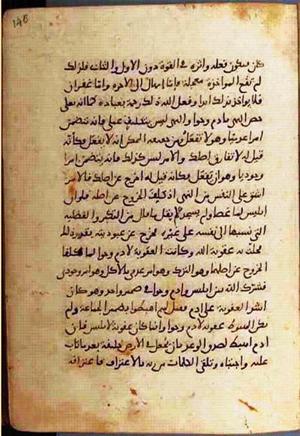
كان، فيكون فعله وأثره في القوة دون الأول والثاني. فلذٰلك لم تقع المؤاخذة معجلة، فأما إمهال إلى الآخرة وإما غفران فلا يؤاخذ بذٰلك أبدا، وفعل الله ذٰلك رحمة بعباده.

(أصل الممكن والفرق بين الأمر والنهي)

كما أنه تعالى خص النهي بآدم وحواء، والنهي ليس بتكليف عملي، فإنه يتضمن أمرا عدميا وهو لا تفعل، ومن حقيقة الممكن أنه لا يفعل، فكأنه قيل له لا تفارق أصلك. والأمر ليس كذٰلك، فإنه يتضمن أمرا وجوديا وهو أن يفعل، فكأنه قيل له أخرج عن أصلك. فالأمر أشق على النفس من النهي إذ كلف الخروج عن أصله.

فلو أن إبليس لما عصى[63] ولم يسجد لم يقل ما قال من التكبر والفضليّة التي نسبها إلى نفسه على غيره، فخرج عن عبوديته بقدر ذٰلك، فحلت به عقوبة الله. وكانت العقوبة لآدم وحواء لما تكلفا الخروج عن أصلهما وهو الترك وهو أمر عدمي، بالأكل وهو أمر وجودي.

(هبوط آدم وحواء وهبوط إبليس)

فشرك الله بين إبليس وآدم وحواء في ضمير واحد، وهو كان أشد العقوبة على آدم، فقيل لهم «اهبطوا» [البقرة: ٣٦] بضمير الجماعة. ولم يكن الهبوط عقوبة لآدم وحواء، وإنما كان عقوبة لإبليس، فإن آدم أهبط لصدق الوعد بأن يجعل في الأرض خليفة بعد ما تاب عليه واجتباه وتلقى الكلمات من ربه بالاعتراف.

فاعترافه

Notes

[63]

(ورد ابتداء هذا التركيب الشرطي بـ«فلو أن» في المصدر؛ حُفظ دون إتمام لفظي أو تصحيح تخميني.)
Anglais

it may be. Its action and effect are therefore weaker than those of the first and second. For this reason accountability did not follow immediately: there is either a postponement until the Hereafter, or forgiveness, so that he is never called to account for it. God did this out of mercy toward His servants.

(The Origin of the Possible and the Difference between Command and Prohibition)

Likewise, He, exalted is He, singled out Adam and Eve for prohibition. Prohibition is not an obligation to act, for it contains a matter of nonexistence: “Do not do.” It belongs to the reality of the possible not to act, so it is as though he were told, “Do not depart from your origin.” Command is otherwise, for it contains a matter of existence: that he should act. It is as though he were told, “Depart from your origin.” Command is therefore harder upon the soul than prohibition, since it is charged with leaving its origin.

Had Iblis, when he disobeyed[63] and did not prostrate himself, not said what he said of arrogance and of the superiority he attributed to himself over another… Through that he departed from his servanthood to that extent, and God’s punishment descended upon him. The punishment of Adam and Eve came when they undertook to depart from their origin—abstention, a matter of nonexistence—through eating, a matter of existence.

(The Descent of Adam and Eve and the Descent of Iblis)

God combined Iblis, Adam, and Eve within a single pronoun, which was the severest punishment for Adam. They were told, “Descend” [al-Baqarah 2:36], with the plural pronoun. The descent itself was not a punishment for Adam and Eve; it was a punishment for Iblis. Adam was sent down to fulfil the true promise that He would place a vicegerent upon the earth, after He had turned toward him and chosen him, and after he had received words from his Lord through acknowledgment.

His acknowledgment

Notes

[63]

(The source begins this conditional construction with “Had…”; it has been preserved without supplying a verbal completion or a conjectural correction.)

Image du manuscritVolume du manuscrit 3 · Page 292

Les textes arabe et anglais sont reliés par le même identifiant de page de Konya. La répartition est approximative ; vérifiez le manuscrit.

Référence de la source du Caire

Ibn al-Arabi, The Meccan Revelations — Volume du manuscrit 3 · Page 292 — https://www.futmak.com/francais/konya/pages.php?id=934&text=both