
Futmak · الفتوحات المكية · Meccan Revelations

Les Futûhât al-Makkiyya

Volume du manuscrit 30 · Page 107

Manuscrit de Konya

Ouvrir la source arabeOuvrir la traduction anglaise

Arabe

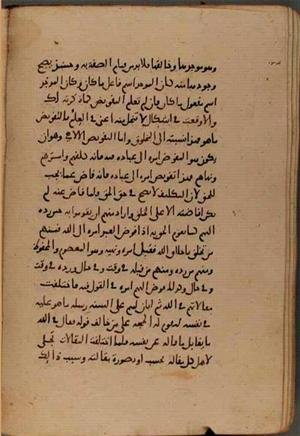
وهو موجدها وخالقها؛ فلا بد من قيام الصفة به، وحينئذ يصح وجودها منه كان الموجِد ـ اسم فاعل ـ ما كان[28]، وكان الموجَد ـ اسم مفعول ـ ما كان.

فإن لم تعلم التفويض كما ذكرته لك، وإلا وقعت في إشكال لا تنحلّ منه، أعني في العلم بالتفويض ما هو. فهٰذا نسبته إلى المخلوق.

(اعتبار التفويض من الحق إلى العباد)

وأما التفويض الإلهي ـ وهو أن يكون هو المفوض أمره إلى عباده فيه ـ فإنه كلفهم وأمرهم ونهاهم، فهٰذا تفويض أمره إلى عباده؛ فإنه فاض عما يجب للحق؛ لأن التكليف لا يصح في حق الحق. فلما فاض عنه، لم تكن إفاضته إلا على الخلق، وأراد منهم أن يقوموا به حين رده إليهم كما يقوم الحق به إذا فوض العبد أمره إلى الله.

فمنهم من تخلق بأخلاق الله، فقبل أمره ونهيه، وهو المعصوم والمحفوظ. ومنهم من رده، ومنهم من قبله في وقت وفي حال ورده في وقت وفي حال.

(المقالات والاجتهاد)

وكذٰلك فوض إليهم أمره في القول فيه، فاختلفت مقالاتهم في الله، ثم أبان لهم على ألسنة رسله ما هو عليه في نفسه؛ لتقوم له الحجة على من خالف قوله، فقال في الله ما يقابل ما قاله عن نفسه.

فلما اختلفت المقالات، تجلى لأهل كل مقالة بحسب أو بصورة مقالته، وسبب ذٰلك

Notes

[28]

(ضُبط الموجِد والموجَد بحسب تعيين المؤلف اسم الفاعل واسم المفعول.)
Anglais

and He brings them into existence and creates them. The attribute must therefore subsist within Him, and only then is its existence from Him sound, whatever the one bringing into existence—the active participle—may be[28], and whatever the one brought into existence—the passive participle—may be.

Unless you know delegation as I have mentioned it to you, you will fall into a difficulty from which you cannot free yourself—I mean concerning knowledge of what delegation is. This is its relation to the creature.

(Considering Delegation from the Real to the Servants)

As for divine delegation, in which He delegates His affair to His servants concerning it, He charged them with duties, commanded them, and forbade them. This is His delegation of His affair to His servants. It overflowed beyond what necessarily belongs to the Real, for duty cannot apply to the Real. When it overflowed from Him, its outpouring was only upon creation. When He returned it to them, He wished them to uphold it as the Real upholds it when the servant delegates his affair to God.

Some assumed God's character traits and received His command and prohibition: this is the infallible and preserved one. Some rejected it, and some received it at one time and in one state and rejected it at another time and in another state.

(Doctrinal Statements and Interpretive Exertion)

Likewise, He delegated to them His affair concerning speaking of Him, and their statements about God differed. Then, upon His messengers' tongues, He made clear to them what He is in Himself, so that He might possess the proof against one who opposed His utterance and said of God what opposed what He said of Himself.

When the statements differed, He disclosed Himself to the adherents of each statement according to, or in the form of, their statement. The cause of this was

Notes

[28]

(The vocalization of al-mūjid [the one bringing into existence] and al-mūjad [the one brought into existence] follows the author's specification of active and passive participles.)

Image du manuscritVolume du manuscrit 30 · Page 107

Les textes arabe et anglais sont reliés par le même identifiant de page de Konya. La répartition est approximative ; vérifiez le manuscrit.

Référence de la source du Caire

Ibn al-Arabi, The Meccan Revelations — Volume du manuscrit 30 · Page 107 — https://www.futmak.com/francais/konya/pages.php?id=8915&text=both