
Futmak · الفتوحات المكية · Meccan Revelations

Les Futûhât al-Makkiyya

Volume du manuscrit 3 · Page 6

Manuscrit de Konya

Ouvrir la source arabeOuvrir la traduction anglaise

Arabe

فصل

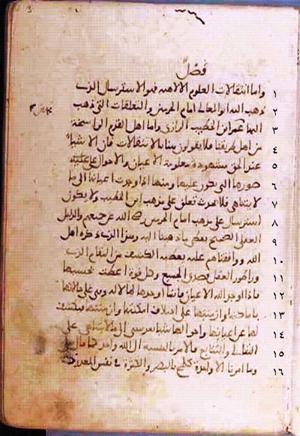
وأما انتقالات العلوم الإلهية فهو الاسترسال الذي ذهب إليه أبو المعالي إمام الحرمين، والتعلقات التي ذهب إليها محمد بن عمر بن الخطيب الرازي. وأما أهل القدم الراسخة من أهل طريقنا فلا يقولون هنا بالانتقالات، فإن الأشياء عند الحق مشهودة معلومة الأعيان والأحوال على صورها التي تكون عليها ومنها إذا وجدت أعيانها إلى ما لا يتناهى.

فلا يحدث تعلق على مذهب ابن الخطيب، ولا يكون استرسال على مذهب إمام الحرمين، رضي الله عن جميعهم. والدليل العقلي الصحيح يعطي ما ذهبنا إليه، وهٰذا الذي ذكره أهل الله ووافقناهم عليه يعطيه الكشف من المقام الذي وراء طور العقل، فصدق الجميع وكل قوة أعطت بحسبها.

فإذا أوجد الله الأعيان فإنما أوجدها لها لا له، وهي على حالاتها بأماكنها وأزمنتها، على اختلاف أمكنتها وأزمنتها. فيكشف لها عن أعيانها وأحوالها شيئا بعد شيء إلى ما لا يتناهى، على التتالي والتتابع. فالأمر بالنسبة إلى الله واحد، كما قال تعالى: ﴿وما أَمْرُنا إِلَّا واحِدَةٌ كَلَمْحٍ بِالْبَصَرِ﴾ [القمر: ٥٠]، والكثرة في نفس المعدودات.
Anglais

Section

As for transitions in the divine sciences, these are the uninterrupted extension maintained by Abu al-Maʿali, the Imam of the Two Sanctuaries, and the relations maintained by Muhammad ibn Umar ibn al-Khatib al-Razi. Those firmly established among the people of our path, however, do not speak of transitions here. For, with the Real, things are witnessed and known in their entities and states, in the forms in which and from which they will be when their entities come into existence, without end.

Thus no new relation arises, as in Ibn al-Khatib’s doctrine, nor is there an uninterrupted extension, as in the doctrine of the Imam of the Two Sanctuaries—may God be pleased with them all. Sound rational proof yields the position we hold. What the people of God have stated, and in which we agree with them, is given by unveiling from the station beyond the domain of reason. Thus all are true, and each faculty has given according to its capacity.

When God brings entities into existence, He brings them into existence for themselves, not for Himself. They are in their states, in their places and times, despite the differences among their places and times. He unveils to them their entities and states, one after another without end, successively and consecutively. In relation to God, the affair is one, as He says, exalted is He: “Our command is but one, like a glance of the eye” [al-Qamar 54:50]. Multiplicity lies in the numbered things themselves.

Notes

Translator’s note TN648-1: “Uninterrupted extension” renders istirsāl, and “relations” renders taʿalluqāt: here both concern how divine knowledge relates to its objects. The author contrasts accounts involving extension or newly arising relations with an all-encompassing knowledge for which succession belongs to what creatures experience.

Image du manuscritVolume du manuscrit 3 · Page 6

Les textes arabe et anglais sont reliés par le même identifiant de page de Konya. La répartition est approximative ; vérifiez le manuscrit.

Référence de la source du Caire

Ibn al-Arabi, The Meccan Revelations — Volume du manuscrit 3 · Page 6 — https://www.futmak.com/francais/konya/pages.php?id=648&text=both