
Futmak · الفتوحات المكية · Meccan Revelations

Les Futûhât al-Makkiyya

Volume du manuscrit 12 · Page 313

Manuscrit de Konya

Ouvrir la source arabeOuvrir la traduction anglaise

Arabe

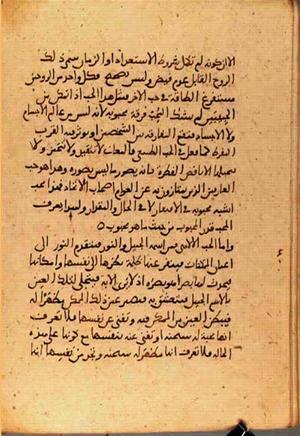
إلا أن كونه لم تكمل شروط الاستعداد أو الزمان سمي ذٰلك الروح القابل عدم فيض. وليس بصحيح. فكل واحد من الروحين مستفرغ الطاقة في حب الآخر. فمثل هٰذا الحب إذا تمكن من الحبيبين لم يشك المحب فرقة محبوبه، لأنه ليس من عالم الأجسام ولا الأجساد، فتقع المفارقة بين الشخصين، أو يؤثر فيه القرب المفرط، كما فعل في الحب الطبيعي. فالمعاني لا تتقيد ولا تتحيز، ولا يتخيلها إلا ناقص الفطرة؛ فإنه يصور ما ليس بصورة. وهذا هو حب العارفين الذين يمتازون به عن العوام أصحاب الاتحاد. فهذا محب أشبه محبوبه في الافتقار، لا في الحال والمقدار. ولهذا يعرف المحب قدر المحبوب، من حيث ما هو محبوب.

وأما الحب الإلهي فمن اسمه "الجميل" و"النور". فيتقدم "النور" إلى أعيان الممكنات فينفر عنها ظلمة نظرها إلى نفسها وإمكانها، فيحدث لها بصرا هو بصره، إذ لا يرى إلا به. فيتجلى (الحق) لتلك العين بالاسم "الجميل" فتتعشق به؛ فتصير عين ذٰلك الممكن مظهَرا له. فتبطن العين من الممكن فيه، وتفنى عن نفسها؛ فلا تعرف أنها محبة له -سبحانه- أو تفنى عنه بنفسها، مع كونها على هذه الحالة؛ فلا تعرف أنها مظهر له -سبحانه- وتجد من نفسها أنها
Anglais

but the receiving spirit calls the failure to complete the conditions of preparedness or time an absence of effusion. This is not correct. Each of the two spirits expends its full capacity in loving the other. When such love is established in the two lovers, the lover does not complain of separation from his beloved. It does not belong to the world of bodies or embodied forms, such that separation between the two persons could occur, or excessive nearness affect it as it does in natural love. Meanings are neither restricted nor spatially situated. Only one deficient in primordial nature imagines them, for he gives form to what is not a form. This is the love of the knowers, through which they are distinguished from the common people, the people of union. This lover resembles his beloved in need, not in state and measure. For this reason the lover knows the beloved’s worth insofar as he is beloved.

Divine love proceeds from His names the Beautiful and the Light. The Light advances toward the entities of possible things, driving from them the darkness of their looking toward themselves and their possibility. It gives them a sight that is His sight, since one sees only through Him. The (Real) discloses Himself to that entity through the name the Beautiful, and it passionately loves Him. The entity of that possible thing becomes His locus of manifestation. The possible thing’s entity becomes hidden within Him and is effaced from itself, so that it does not know it loves Him, glory be to Him. Or it is effaced from Him through itself, while remaining in this state, so that it does not know it is His locus of manifestation, glory be to Him, and finds within itself that it

Image du manuscritVolume du manuscrit 12 · Page 313

Les textes arabe et anglais sont reliés par le même identifiant de page de Konya. La répartition est approximative ; vérifiez le manuscrit.

Référence de la source du Caire

Ibn al-Arabi, The Meccan Revelations — Volume du manuscrit 12 · Page 313 — https://www.futmak.com/francais/konya/pages.php?id=3749&text=both