
Futmak · الفتوحات المكية · Meccan Revelations

Les Futûhât al-Makkiyya

Volume du manuscrit 7 · Page 45

Manuscrit de Konya

Ouvrir la source arabeOuvrir la traduction anglaise

Arabe

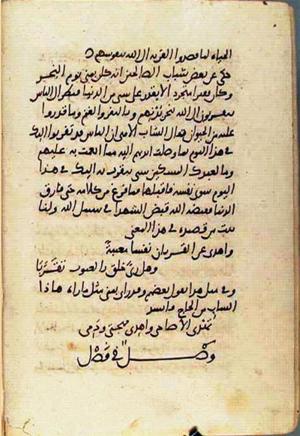
الحياة لما قصدوا القربة إلى الله بنفوسهم.

حكي عن بعض شباب الصالحين أنه كان بمنى يوم النحر، وكان فقيرا متجردا، لا يقدر على شيء من الدنيا، فنظر إلى الناس يتقربون إلى الله بنحر بدنهم، وبالبقر والغنم، وما قدروا عليه من الحيوان.

فقال الشاب: «إلهي إن الناس قد تقربوا إليك في هٰذا اليوم بما وصلت أيديهم إليه مما أنعمت به عليهم وما لعبدك المسكين شيء يتقرب به إليك في هٰذا اليوم سوى نفسه فأقبلها».

فما فرغ من كلامه، حتى فارق الدنيا، فقبضه الله قبض الشهداء في سبيل الله، ولنا بيت من قصيدة في هٰذا المعنى:

وأهدي عن القربان نفسا معيبة وهل ريئ خلق بالعيوب تقربا.

وفي مثل هٰذا يقول بعضهم، وقد رأى بمنى مثل ما رآه هٰذا الشاب من الحاج فأنشد:

تهدي الأضاحي وأهدى مهجتي ودمي.

وصل في فصل
Anglais

life when they sought nearness to God with their own selves.

It is related that one of the righteous youths was at Minā on the Day of Sacrifice. He was poor and divested of possessions and could obtain nothing of this world. He saw the people drawing near to God by slaughtering their sacrificial camels, cattle, sheep, and such animals as they could afford.

The young man said, “My God, today the people have drawn near to You with whatever they could lay their hands on from what You bestowed on them. Your poor servant has nothing to draw near to You with today except his own self. Accept it.”

He had scarcely finished speaking when he left this world. God took him as He takes martyrs in His way. There is a line of mine on this meaning in a poem.

In place of a sacrifice I offer a flawed soul / Has anyone been seen drawing near by means of flaws?

On the same theme someone, having seen at Minā what this young man saw the pilgrims doing, recited a verse.

You offer the sacrificial beasts, and I offer my very life and my blood.

Continuation in the Section on

Notes

Translator’s note TN1939-1: The supplied spelling r-y-ʾ in the question in Ibn al-ʿArabī’s verse is irregular. “Has anyone been seen” reads it provisionally as the passive verb ruʾiya.

Image du manuscritVolume du manuscrit 7 · Page 45

Les textes arabe et anglais sont reliés par le même identifiant de page de Konya. La répartition est approximative ; vérifiez le manuscrit.

Référence de la source du Caire

Ibn al-Arabi, The Meccan Revelations — Volume du manuscrit 7 · Page 45 — https://www.futmak.com/francais/konya/pages.php?id=1939&text=both