
Futmak · الفتوحات المكية · Meccan Revelations

Les Futûhât al-Makkiyya

Volume du manuscrit 7 · Page 13

Manuscrit de Konya

Ouvrir la source arabeOuvrir la traduction anglaise

Arabe

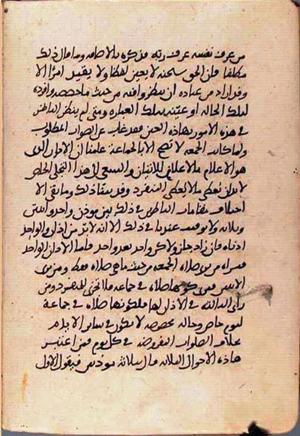
من عرف نفسه عرف ربه»، فذكره بالإضافة[8]، وما قال ذٰلك مطلقا، فإن الحق سبحانه لا يعين لفظا، ولا يقيد أمرا إلا وقد أراد من عباده أن ينظروا فيه من حيث ما خصصه وأفرده لتلك الحالة أو عينه بتلك العبارة، ومتى لم ينظر الناظر في هذه الأمور بهذه العين، فقد غاب عن الصواب المطلوب.

ولما كانت الجمعة لا تصح إلا بالجماعة، علمنا إن الأذان الذي هو الإعلام بالإعلان للإتيان والسعي إلى هٰذا التجلي الخاص لا بد أن يعطي ما لا يعطي (الأذان) المنفرد، وقد بينا ذٰلك، وما بقي إلا اختلاف مقامات الناظرين في ذٰلك بين مؤذن واحد واثنين وثلاثة، ولا توقيت عندنا في ذٰلك، إلا أنه لا بد من أذان، والواحد أدناه، فإن زاد جاز، ولكن واحد بعد واحد.

(اعتبار مراتب النداء)

فأما الأذان الواحد فيراه من يرى صلاة الجمعة من حيث ما هي صلاة فقط.

ومن يرى الاثنين فيرى كونها صلاة في جماعة فلا تجزى للمنفرد.

ومن رأى الثالثة في الأذان لها فلكونها صلاة في جماعة ليوم خاص وحالة مخصوصة لا تكون في سائر الأيام بخلاف الصلوات المفروضة في كل يوم.

فمن اعتبر هذه الأحوال الثلاثة قال بثلاثة مؤذنين، فيقول الأول «

Notes

[8]

(يريد إضافة الرب إلى العبد في لفظ «ربه»؛ فيُستدل من معرفة النفس على جهة النسبة التي يقتضيها هذا اللفظ.)
Anglais

“Whoever knows himself knows his Lord.” He speaks of the Lord in relation to the servant[8], without speaking in absolute terms. Whenever the Real, glory be to Him, singles out an expression or qualifies a matter, He intends His servants to consider it with respect to what He specified and singled out for that state or determined by that expression. Whoever fails to consider such matters in this way misses the intended point.

Since Friday prayer is valid only with a congregation, we know that the call, a public announcement to come and hasten to this particular self-disclosure, must afford something that the call for the person praying alone does not. We have explained that. What remains is the difference among those who consider the matter, according to their stations, between one caller, two, and three. In our view, no fixed number is prescribed, though there must be a call. One is the least, and more are permitted, provided they give it one after another.

(Inward Application of the Levels of the Call)

A person who favors one call considers Friday prayer solely in respect of its being prayer.

The one who favors two considers that it is a congregational prayer and does not suffice when performed alone.

The one who favors three calls considers that it is a congregational prayer for a particular day and a particular circumstance that does not occur on the other days, unlike the prayers prescribed every day.

Whoever takes these three circumstances into account says there are three callers. The first says,

Notes

[8]

(He means the relation of the Lord to the servant in the expression “his Lord.” Knowing the self thus points to the aspect of relation called for by that expression.)

Translator’s note TN1907-1: The possessive in “his Lord” is central to the argument. Knowledge of oneself points to knowing the Lord in a particular relation, which the author compares to the increasingly specific content of the call.

Image du manuscritVolume du manuscrit 7 · Page 13

Les textes arabe et anglais sont reliés par le même identifiant de page de Konya. La répartition est approximative ; vérifiez le manuscrit.

Référence de la source du Caire

Ibn al-Arabi, The Meccan Revelations — Volume du manuscrit 7 · Page 13 — https://www.futmak.com/francais/konya/pages.php?id=1907&text=both