
Futmak · الفتوحات المكية · Meccan Revelations

Les Futûhât al-Makkiyya

Volume du manuscrit 5 · Page 262

Manuscrit de Konya

Ouvrir la source arabeOuvrir la traduction anglaise

Arabe

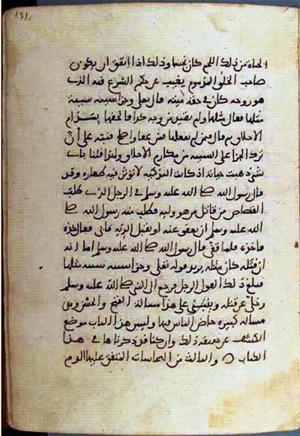
الحياة من ذٰلك اللحم كان نجسا، وذٰلك إذا اتفق أن يكون صاحب الخلق المذموم يغيب عن حكم الشرع فيه الذي هو روحه، كان في حقه ميتة.

قال تعالى: ﴿وجَزاءُ سَيِّئَةٍ سَيِّئَةٌ مِثْلُها﴾، فقال مثلها ولم يقيد من وجه كذا، فألحقها بمذام الأخلاق. ثم قال فيمن لم يفعلها: ﴿فَمَنْ عَفا وأَصْلَحَ﴾ [الشورى: ٤٠]، فنبه على إن ترك الجزاء على السيئة من مكارم الأخلاق. ولهٰذا قلنا بأي شيء ذهبت حياته، إذ كانت التذكية لا تؤثر فيه طهارة.

وقد قال رسول الله صلى الله عليه وسلم في الرجل الذي طلب القصاص من قاتل من هو وليه، فطلب منه رسول الله صلى الله عليه وسلم أن يعفو عنه أو يقبل الدية فأبى، فقال: «خذه»، فأخذه. فلما قفى قال رسول الله صلى الله عليه وسلم: «أما إنه إن قتله كان مثله»، يريد قوله تعالى: ﴿وجَزاءُ سَيِّئَةٍ سَيِّئَةٌ مِثْلُها﴾.

فبلغ ذٰلك القول الرجل فرجع إلى النبي صلى الله عليه وسلم وخلى عن قتله. وينبني على هٰذا مسألة القبح والحسن، وهي مسألة كبيرة خاض الناس فيها، وليس هٰذا الباب موضع الكشف عن حقيقة ذٰلك، وإن كنا قد ذكرناها في هٰذا الكتاب.

(اعتبار الدم وأصل الدعوى)

والثالث من النجاسات المتفق عليها الدم
Anglais

life departs from that flesh, it is impure. This occurs when a person with a blameworthy trait loses sight of the ruling of the revealed Law regarding it. That ruling is the trait’s spirit, so in his case the trait is carrion.

The Most High says, “The recompense for an evil deed is an evil deed like it.” He says “like it,” without restricting the likeness to this or that respect, and thus includes it among blameworthy character traits. Of the person who refrains from it, He then says, “But whoever pardons and sets things right” [al-Shura 42:40]. He calls attention to the fact that forgoing requital for an evil deed is among the noble character traits. This is why we said, “However its life departs,” since ritual slaughter does not make it pure.

The Messenger of God, may God bless him and grant him peace, spoke concerning a man who sought retaliation against the killer of someone on whose behalf he had the right to seek redress. The Messenger of God, may God bless him and grant him peace, asked him to pardon the killer or accept the blood money, but he refused. He said to him, “Take him,” and the man took him. When the man turned away, the Messenger of God, may God bless him and grant him peace, said, “Indeed, if he kills him, he will be like him.” He meant the words of the Most High, “The recompense for an evil deed is an evil deed like it.”

When the man heard what had been said, he went back to the Prophet, may God bless him and grant him peace, and let the killer go without killing him. On this rests the question of moral goodness and badness, a major question much debated. This chapter is no place to disclose its true nature, though we have discussed it in this book.

(The Inward Application Concerning Blood and the Origin of the Claim)

The third impurity agreed upon is the blood

Image du manuscritVolume du manuscrit 5 · Page 262

Les textes arabe et anglais sont reliés par le même identifiant de page de Konya. La répartition est approximative ; vérifiez le manuscrit.

Référence de la source du Caire

Ibn al-Arabi, The Meccan Revelations — Volume du manuscrit 5 · Page 262 — https://www.futmak.com/francais/konya/pages.php?id=1538&text=both