
Futmak · الفتوحات المكية · Meccan Revelations

Les Futûhât al-Makkiyya

Volume du manuscrit 5 · Page 113

Manuscrit de Konya

Ouvrir la source arabeOuvrir la traduction anglaise

Arabe

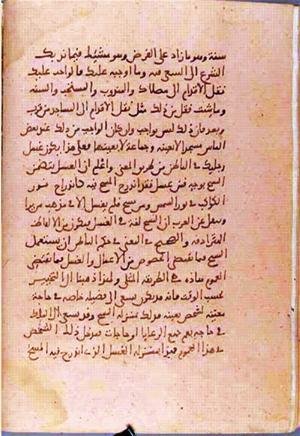
سنة، وهو ما زاد على الفرض، وهو مشيك فيما ندبك الشرع إلى السعي فيه وما أوجبه عليك.

فالواجب عليك نقل الاقدام إلى مصلاك، والمندوب والمستحب والسنة، وما شئت فقل من ذٰلك، مثل نقل الاقدام إلى المساجد من قرب وبعد، فإن ذٰلك ليس بواجب. وإن كان الواجب من ذٰلك عند بعض الناس مسجدا لا بعينه،[19] وجماعة لا بعينها، فعلى هٰذا يكون غسل رجليك في الباطن من طريق المعنى.

(الغسل للعموم والمسح للخصوص)

واعلم أن الغسل يتضمن المسح بوجه، فمن غسل فقد اندرج المسح فيه كاندراج نور الكواكب في نور الشمس. ومن مسح فلم يغسل، إلا في مذهب من يرى وينقل عن العرب إن المسح لغة في الغسل، فيكون من الألفاظ المترادفة.

والصحيح في المعنى في حكم الباطن أن يستعمل المسح فيما يقتضي الخصوص من الأعمال، والغسل فيما يقتضي العموم، هذه هي الطريقة المثلى. ولهٰذا ذهبنا إلى التخيير بحسب الوقت، فإنه قد يكون يسعى إلى فضيلة خاصة في حاجة معينة لشخص بعينه، فذٰلك بمنزلة المسح. وقد يسعى إلى الملك في حاجة تعم جميع الرعايا أو حاجات، فيدخل ذٰلك الشخص في هٰذا العموم، فهٰذا بمنزلة الغسل الذي اندرج فيه المسح.

Notes

[19]

(ضُبطت العبارة على الطبعة الأحدث: «مسجدا لا بعينه، وجماعة لا بعينها».)
Anglais

Sunnah, which is what goes beyond the obligatory. This concerns walking to what the revealed Law has encouraged you to pursue and to what it has made obligatory for you.

You are obliged to take your feet to the place where you pray. Taking your feet to mosques near or far belongs to the recommended, the desirable, or the Sunnah, whichever you wish to call it, for it is not obligatory. Some hold that going to a mosque, without any particular mosque being specified,[19] and joining a congregation, without any particular congregation being specified, is obligatory. It is in this sense that you wash your feet inwardly.

(Washing for What Is General and Wiping for What Is Particular)

Know that washing includes wiping in one respect. When a person washes, wiping is included in it, as the light of the stars is included in the light of the sun. A person who wipes has not washed, except in the view of those who hold and report from the Arabs that wiping is an expression for washing. In that view the terms are synonymous.

The sound approach to the inward ruling is to use wiping for deeds that require particular application, and washing for deeds that require general application. This is the best way. For this reason we allow a choice according to the moment. A person may pursue a particular merit by attending to a specific need of one particular person. This is like wiping. He may go to the king about a need or needs affecting all his subjects, and that particular person is included among them. This is like washing, in which wiping is included.

Notes

[19]

(The phrase was set according to the newer edition as “a mosque, without any particular mosque being specified, and a congregation, without any particular congregation being specified.”)

Image du manuscritVolume du manuscrit 5 · Page 113

Les textes arabe et anglais sont reliés par le même identifiant de page de Konya. La répartition est approximative ; vérifiez le manuscrit.

Référence de la source du Caire

Ibn al-Arabi, The Meccan Revelations — Volume du manuscrit 5 · Page 113 — https://www.futmak.com/francais/konya/pages.php?id=1389&text=both