
Futmak · الفتوحات المكية · Meccan Revelations

Les Futûhât al-Makkiyya

Volume du manuscrit 33 · Page 243

Manuscrit de Konya

Ouvrir la source arabeOuvrir la traduction anglaise

Arabe

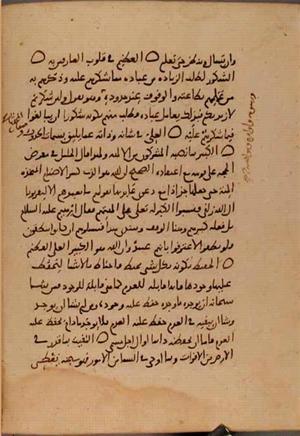
وأن يسأل وينظر حتى يعلم. العظيم في قلوب العارفين به. الشكور لطلب الزيادة من عباده مما شكرهم عليه وذكرهم به من عملهم بطاعته والوقوف عند حدوده ورسومه وأوامره ونواهيه وهو يقول: ﴿لَئِنْ شَكَرْتُمْ لَأَزِيدَنَّكُمْ﴾ [إبراهيم: ٧] فبذٰلك يعامل عباده، فطلب منهم بكونه شكورا أن يبالغوا فيما شكرهم عليه.

العلي في شأنه وذاته عما يليق بسمات الحدوث وصفات المحدثات.

الكبير بما نصبه المشركون من الآلهة. ولهٰذا قال الخليل في معرض الحجة على قومه مع اعتقاده الصحيح أن الله هو الذي كسر الأصنام المتخذة آلهة حتى جعلها جذاذا، مع دعوى عابديها بقولهم: ﴿ما نَعْبُدُهُمْ إِلَّا لِيُقَرِّبُونا إِلَى الله زُلْفى﴾ [الزمر: ٣]، فنسبوا الكبر له تعالى على آلهتهم فقال إبراهيم ع: ﴿بَلْ فَعَلَهُ كَبِيرُهُمْ﴾، وهنا الوقف، ويبتدئ: ﴿هٰذا فَسْئَلُوهُمْ إِنْ كانُوا يَنْطِقُونَ﴾ [الأنبياء: ٦٣] فلو نطقوا لاعترفوا بأنهم عبيد وأن الله هو الكبير العلي العظيم.

(الحفظ والإجابة وسعة الرحمة)

الحفيظ بكونه بكل شيء محيط [فصلت: ٥٤] فاحتاط بالأشياء ليحفظ عليها وجودها؛ فإنها قابلة للعدم، كما هي قابلة للوجود فمن شاء سبحانه أن يوجده فأوجده، حفظ عليه وجوده ومن لم يشأ أن يوجد وشاء أن يبقيه في العدم، حفظ عليه العدم، فلا يوجد ما دام يحفظ عليه العدم. فإما أن يحفظه دائما أو إلى أجل مسمى.

المقيت بما قدر في الأرض من الأقوات وبما أوحى في السماء من الأمور، فهو سبحانه يعطي
Anglais

and to ask and consider until he knows. The Magnificent, within the hearts of those who know Him. The Thankful, through seeking increase from His servants in what He thanked them for and mentioned them through: their acting in obedience to Him and standing at His limits, prescriptions, commands, and prohibitions. He says, “If you give thanks, I shall increase you” [Ibrahim 14:7]. He treats His servants accordingly. Through being Thankful, He therefore asks them to do abundantly what He thanked them for.

The High, in His affair and Essence, beyond what befits the marks of temporal origination and the attributes of originated things.

The Great, in relation to the gods the associators have set up. This is why the Intimate Friend, in presenting his argument to his people, correctly believing that God was the One who broke the idols taken as gods into fragments—despite their worshippers’ claim, “We worship them only to bring us near to God” [al-Zumar 39:3], thus ascribing greatness to Him, Most High, over their gods—said, peace be upon him, “Rather, their great one did it.” Here one pauses, then begins, “This: ask them, if they speak” [al-Anbiyaʾ 21:63]. Had they spoken, they would have acknowledged that they were servants and that God is the Great, the High, the Magnificent.

(Preservation, Response, and Mercy’s Vastness)

The Preserver, through encompassing everything [Fussilat 41:54]. He encompasses things to preserve their existence, for they admit nonexistence as they admit existence. Whomever He, glorified be He, wills to bring into existence and brings into existence, He preserves in existence. Whomever He does not will to bring into existence but wills to keep in nonexistence, He preserves in nonexistence. It does not exist as long as He preserves its nonexistence, whether He preserves it forever or until an appointed term.

The Sustainer, through the provisions He measured within the earth and the affairs He revealed within heaven. He, glorified be He, gives

Notes

Translator’s note: The exposition explicitly pauses after the whole clause “Rather, their great one did it” and resumes with “this,” construing the Great as God. This reading and its unusual division of the quotation are retained.

Image du manuscritVolume du manuscrit 33 · Page 243

Les textes arabe et anglais sont reliés par le même identifiant de page de Konya. La répartition est approximative ; vérifiez le manuscrit.

Référence de la source du Caire

Ibn al-Arabi, The Meccan Revelations — Volume du manuscrit 33 · Page 243 — https://www.futmak.com/francais/konya/pages.php?id=9821&text=both