
Futmak · الفتوحات المكية · Meccan Revelations

Les Futûhât al-Makkiyya

Volume du manuscrit 33 · Page 242

Manuscrit de Konya

Ouvrir la source arabeOuvrir la traduction anglaise

Arabe

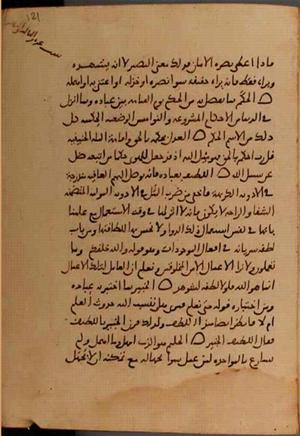
فإذا أعطى بصره الأمان، فذٰلك معنى البصير، لا أنه يشهده ويراه فقط؛ فإنه يراه حقيقة سواء نصره أو خذله أو اعتنى به أو أهمله.

الحكم بما يفصل به من الحكم يوم القيامة بين عباده وبما أنزل في الدنيا من الأحكام المشروعة والنواميس الوضعية الحكمية كل ذٰلك من الاسم الحكم. العدل بحكمه بالحق وإقامة الملة الحنيفية: ﴿قالَ رَبِّ احْكُمْ بِالْحَقِّ﴾ [الأنبياء: ١١٢] فهو ميل إليه، إذ قد جعل للهوى حكما، من اتبعه ضل عن سبيل الله.

اللطيف بعباده؛ فإنه يوصل إليهم العافية مندرجة في الأدوية الكريهة. فأخفى من ضرب المثل في الأدوية المؤلمة المتضمنة الشفاء والراحة لا يكون؛ فإنه لا أثر لها في وقت الاستعمال مع علمنا بأنها في نفس استعمال ذٰلك الدواء ولا نحس بها، للطافتها.

ومن باب لطفه سريانه في أفعال الموجودات وهو قوله: ﴿والله خَلَقَكُمْ وما تَعْمَلُونَ﴾ [الصافات: ٩٦] ولا نرى الأعمال إلا من المخلوقين، ونعلم أن العامل لتلك الأعمال إنما هو الله، فلو لا لطفه لشوهد.

الخبير بما اختبر به عباده. ومن اختباره قوله: ﴿حَتَّى نَعْلَمَ﴾ [محمد: ٣١] فنرى هل ننسب إليه حدوث العلم أم لا؟ فانظر أيضا هٰذا اللطف. ولذٰلك قرن الخبير باللطيف فقال: «اللطيف الخبير» [الأنعام: ١٠٣].

الحليم هو الذي أمهل وما أهمل، ولم يسارع بالمؤاخذة لمن عمل سوءا بجهالة مع تمكنه أن لا يجهل
Anglais

When His sight gives security, that is the meaning of the All-Seeing—not merely that He witnesses and sees him, for He truly sees him whether He helps or abandons him, attends to or neglects him.

The Judge through the judgment by which He decides between His servants on the Day of Resurrection, and the rulings of the Revealed Law and wisely instituted conventional codes He sent down in this world: all this is from the Name Judge. The Just through judging by truth and establishing the inclining religion: ﴿He said, “My Lord, judge by truth”﴾ [The Prophets 21:112]. This is an inclination toward Him, since He has given desire a ruling: whoever follows it strays from God’s way.

The Subtle toward His servants, for He conveys well-being to them enfolded within unpleasant medicines. There can be no subtler illustration than painful medicines containing healing and rest. These have no effect at the time of use, though we know they are present in the very use of that medicine, without our sensing them because of their subtlety.

His subtlety includes His pervasion within the acts of existents, His saying, ﴿God created you and what you do﴾ [Those Ranged in Ranks 37:96]. We see the acts only from created beings, yet know that the doer of those acts is God. Were it not for His subtlety, He would be witnessed.

The Experienced through what He tests His servants with. Among His tests is His saying, ﴿Until We know﴾ [Muḥammad 47:31], so that we see whether we ascribe to Him knowledge’s coming into being or not. Consider this subtlety too. Hence He paired the Experienced with the Subtle, saying, “The Subtle, the Experienced” [Cattle 6:103].

The Forbearing grants reprieve without neglecting, and does not hasten to take to account one who does evil in ignorance, despite his ability not to be ignorant

Image du manuscritVolume du manuscrit 33 · Page 242

Les textes arabe et anglais sont reliés par le même identifiant de page de Konya. La répartition est approximative ; vérifiez le manuscrit.

Référence de la source du Caire

Ibn al-Arabi, The Meccan Revelations — Volume du manuscrit 33 · Page 242 — https://www.futmak.com/francais/konya/pages.php?id=9820&text=both