
Futmak · الفتوحات المكية · Meccan Revelations

Les Futûhât al-Makkiyya

Volume du manuscrit 33 · Page 237

Manuscrit de Konya

Ouvrir la source arabeOuvrir la traduction anglaise

Arabe

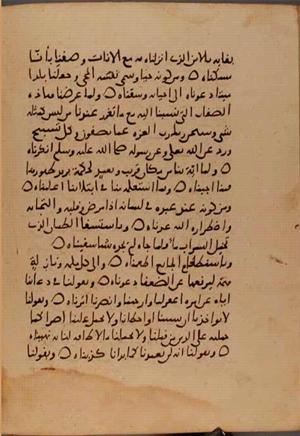
بقائه بالأين الذي أنزلناه به مع الآنات وصفنا بأنا مسكناه.

ومن كونه حيا وسمى نفسه المحيي وجعلنا بلدا ميتا، دعوناه إلى إحيائه وسُقناه. ولما عرضنا هذه الصفات التي نسبنا إليه مع ما تقرر عندنا من ﴿لَيْسَ كَمِثْلِهِ شَيْءٌ﴾ [الشورى: ١١] و﴿سُبْحَانَ رَبِّكَ رَبِّ الْعِزَّةِ عَمَّا يَصِفُونَ﴾ [الصافات: ١٨٠] وكل تسبيح ورد عن الله تعالى وعن رسوله ص، أنكرناه.

ولما أيَّهَ بنا[45] من مكان قريب وبعيد لحكمة يريد ظهورها فينا، أجبناه. وبما استعمله منا في ابتلائنا، أعلمناه. ومن كونه عند عبده في لسانه إذا مرض وقلبه والتجائه واضطراره إليه، عدناه. وباستسقاء الظمآن الذي تخيل السراب ماء فلما جاءه لَمْ يَجِدْهُ شَيْئاً، سقيناه. وباستطعام الجائع، أطعمناه. وإلى كل ملمة ونازلة مهمة ليرفعها عن الضعفاء، دعوناه.

(الدعاء والمناجاة ونسب الأفعال)

وبقولنا في دعائنا إياه عن أمره: «اغفر لنا وارحمنا وانصرنا» [البقرة: ٢٨٦] [البقرة: ٢٥٠]، أمرناه. وبقولنا: ﴿لا تُؤاخِذْنا إِنْ نَسِينا أَوْ أَخْطَأْنا رَبَّنا ولا تَحْمِلْ عَلَيْنا إِصْراً كَما حَمَلْتَهُ عَلَى الَّذِينَ من قَبْلِنا رَبَّنا ولا تُحَمِّلْنا ما لا طاقَةَ لَنا به﴾ [البقرة: ٢٨٦]، نهيناه.

وبقولنا إنه لن يعيدنا كما بدأنا، كذبناه. وبقولنا

Notes

[45]

صُحِّح «آية» إلى «أيّه»، كما في الطبعة الجديدة؛ أي نادى وخاطب. (الطبعة الجديدة، ج 11، ص 564.)
Anglais

His remaining in the whereness where we made Him alight through the instants, we were described as having held Him fast.

Insofar as He is living, named Himself the Life-Giver, and made us a dead land, we called Him to revive it and drove Him there. When we considered these attributes we ascribed to Him alongside what was established for us of ﴿There is nothing like His likeness﴾ [Consultation 42:11], ﴿Glory to your Lord, the Lord of Might, beyond what they describe﴾ [Those Ranged in Ranks 37:180], and every declaration of transcendence transmitted from God, exalted is He, and His Messenger, God’s blessings and peace be upon him, we denied Him.

When He called to us[45] from near and far for a wisdom He wished to manifest within us, we answered Him. Through what He employed from us in testing us, we informed Him. Insofar as He is with His servant—on his tongue when he is ill, in his heart, his taking refuge, and his pressing need of Him—we visited Him. Through the thirsty one’s asking for drink, imagining the mirage to be water but finding nothing when he reaches it, we gave Him drink. Through the hungry one’s asking for food, we fed Him. We called Him to every affliction and grave calamity so that He might lift it from the weak.

(Supplication, Intimate Converse, and the Relations of Acts)

Through our saying when calling upon Him by His command, “Forgive us, have mercy upon us, and help us” [The Cow 2:286] [The Cow 2:250], we commanded Him. Through our saying, ﴿Do not take us to account if we forget or err. Our Lord, do not lay a burden upon us as You laid upon those before us. Our Lord, do not burden us with what we have no strength to bear﴾ [The Cow 2:286], we forbade Him.

Through saying He will not restore us as He began us, we called Him a liar. Through our saying

Notes

[45]

“آية” was corrected to “أيّه” [“called and addressed”], as in the new edition. (New edition, vol. 11, p. 564.)

Image du manuscritVolume du manuscrit 33 · Page 237

Les textes arabe et anglais sont reliés par le même identifiant de page de Konya. La répartition est approximative ; vérifiez le manuscrit.

Référence de la source du Caire

Ibn al-Arabi, The Meccan Revelations — Volume du manuscrit 33 · Page 237 — https://www.futmak.com/francais/konya/pages.php?id=9815&text=both