
Futmak · الفتوحات المكية · Meccan Revelations

Les Futûhât al-Makkiyya

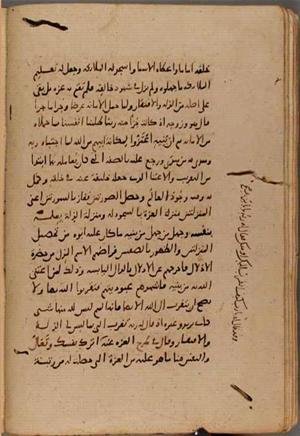
Volume du manuscrit 32 · Page 141

Manuscrit de Konya

Ouvrir la source arabeOuvrir la traduction anglaise

Arabe

خلقه إماما، وأعطاه الأسماء وأسجد له الملائكة، وجعل له تعليم الملائكة ما جهلوه. ولم يزل في شهود خالقه، فلم تقم به عزة، بل بقي على أصله من الذلة والافتقار.

ولما حمل الأمانة عرضا وجرى ما جرى، قال هو وزوجه إذ كانت جزءا منه: ﴿رَبَّنا ظَلَمْنا أَنْفُسَنا﴾ [الأعراف: ٢٣]، بما حملاه من الأمانة. ثم إن بنيه اعتزوا لمكانة أبيهم من الله لما ﴿اجْتَباهُ رَبُّهُ﴾ [طه: ١٢٢] و﴿هَدى﴾ به من هدى، ورجع عليه بالصفة التي كان يعامله بها ابتداء من التقريب والاعتناء الذي جعله خليفة عنه في خلقه.

وكمل به وفيه وجود العالَم، وحصل الصورتين ففاز بالسورتين، أعني المنزلتين: منزلة العزة بالسجود له، ومنزلة الذلة بعلمه بنفسه. وجهل من جهل من بنيه ما كان عليه أبوه من تحصيل المنزلتين والظهور بالصفتين.

فراضهم الاسم المذل من حضرة الإذلال، فأخرجهم عن الإدلال بالدال اليابسة[29]، وذٰلك لمن اعتنى الله به من بنيه. فأشهدهم عبوديتهم فتقربوا إليه بها، ولا يصح أن يتقرب إلى الله إلا بها، فإنها لهم ليس لله منها شيء.

كأبي يزيد وغيره، إذ قال له ربه: «تقرب إلي بما ليس لي، الذلة والافتقار». وقال في طرح العزة عنه، وقد قال له: «يا رب، كيف أتقرب إليك أو منك؟» فقال له ربه: «يا أبا يزيد، أترك نفسك وتعال». والنفس هنا ما هو عليه من العزة التي حصلت له من رتبة

Notes

[29]

(يميّز المؤلف الإدلال بالدال من الإذلال بالذال؛ فقد يعود اللفظان إلى معنيين متقابلين في هذا الموضع.)
Anglais

He created him an imam, gave him the Names, caused the angels to prostrate before him, and assigned him the teaching of what the angels did not know. He never ceased witnessing his Creator, so no might subsisted within him. Rather, he remained upon his root of lowliness and need.

When he took up the Trust as an offer, and what occurred occurred, he and his spouse—since she was a part of him—said, ‘Our Lord, we have wronged ourselves’ [al-A‘raf 7:23], through taking up the Trust. His children then gained might because of their father’s rank with God, when ‘his Lord chose him’ [Ta Ha 20:122] and ‘guided’ through him those He guided. He returned toward him with the attribute through which He had treated him at first: nearness and solicitude, which made him His vicegerent within His creation.

Through him and within him the world’s existence was completed. He obtained the two forms and won the two ranks—I mean the two Abodes: the Abode of might through their prostration before him, and the Abode of lowliness through his knowledge of himself. Some of his children were ignorant of their father’s attaining both Abodes and appearing through both attributes.

The Name the Humbler disciplined them from the Presence of Humbling, taking them out of presumption, idlal, with the unpointed dal[29]. This applies to those of his children for whom God had solicitude. He made them witness their servanthood, and they drew near to Him through it. No approach to God is valid except through it, for it belongs to them and God has no share of it.

Such were Abu Yazid and others. His Lord said to him, ‘Draw near to Me through what is not Mine: lowliness and poverty.’ Concerning casting might away, when he asked Him, ‘My Lord, how do I draw near to You, or near You?’ his Lord told him, ‘Abu Yazid, leave your self and come.’ Self here means the might he acquired through the rank

Notes

[29]

(The author distinguishes idlal with dal from idhlal with dhal; the two expressions may refer to opposed meanings here.)

Translator’s note: The text plays upon ṣūratayn, ‘two forms,’ and sūratayn with sin, here glossed by the author as the two Abodes or ranks.

Image du manuscritVolume du manuscrit 32 · Page 141

Les textes arabe et anglais sont reliés par le même identifiant de page de Konya. La répartition est approximative ; vérifiez le manuscrit.

Référence de la source du Caire

Ibn al-Arabi, The Meccan Revelations — Volume du manuscrit 32 · Page 141 — https://www.futmak.com/francais/konya/pages.php?id=9465&text=both