
Futmak · الفتوحات المكية · Meccan Revelations

Les Futûhât al-Makkiyya

Volume du manuscrit 3 · Page 304

Manuscrit de Konya

Ouvrir la source arabeOuvrir la traduction anglaise

Arabe

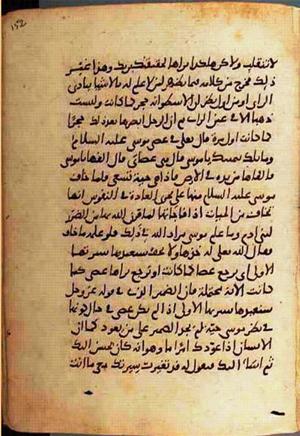
لا تنقلب، ولكن هكذا تراها لحقيقتك بربك وهذا غير ذٰلك». فخرج من كلامه فيما يظهر لمن لا علم له بالأشياء ببادي الرأي أو من أول نظر أن الأسطوانة حجر كما كانت وليست ذهبا إلا في عين الرائي، ثم إن الرجل أبصرها بعد ذٰلك حجرا كما كانت أول مرة.

(عصا موسى وعودها إلى سيرتها الأولى)

قال تعالى في عصا موسى عليه السلام: ﴿وما تِلْكَ بِيَمِينِكَ يا مُوسى قالَ هِيَ عَصايَ﴾ [طه: ١٧، ١٨]، ثم قال: ﴿أَلْقِها يا مُوسى فَأَلْقاها﴾ [طه: ١٩، ٢٠] من يده في الأرض، ﴿فَإِذا هِيَ حَيَّةٌ تَسْعى﴾ [طه: ٢٠].

فلما خاف موسى عليه السلام منها على مجرى العادة في النفوس أنها تخاف من الحيات إذا فاجأتها لما قرن الله بها من الضرر لبني آدم، وما علم موسى مراد الله في ذٰلك فلو علمه ما خاف، فقال الله تعالى له: ﴿خُذْها ولا تَخَفْ سَنُعِيدُها سِيرَتَهَا الْأُولى﴾ [طه: ٢١]، أي ترجع عصا كما كانت أو ترجع تراها عصا كما كانت، الآية محتملة.

فإن الضمير الذي في قوله عز وجل ﴿سَنُعِيدُها سِيرَتَهَا الْأُولى﴾، إذا لم تكن عصا في حال كونها في نظر موسى حية، لم يجد الضمير على من يعود. كما إن الإنسان إذا عودك أمرا ما، وهو أنه كان يحسن إليك ثم أساء إليك، فتقول له: «قد تغيرت سيرتك معي، ما أنت
Anglais

do not change into one another. Rather, this is how you see them through your reality with your Lord; this is other than that.” At first sight, or on an initial reading, his words seem to someone without knowledge of things to mean that the column remained stone as before and was gold only in the beholder’s eye. The man then saw it as stone again, just as it had originally been.

(Moses’ Staff and Its Return to Its Former Way)

God Most High says concerning Moses’ staff, peace be upon him: “What is that in your right hand, Moses? He said: It is my staff” [Ta Ha 20:17–18]. Then He said, “Throw it down, Moses. So he threw it down” [Ta Ha 20:19–20], from his hand onto the ground, “and behold, it was a serpent moving” [Ta Ha 20:20].

Moses, peace be upon him, feared it, according to the customary disposition of souls to fear serpents when they suddenly appear, because of the harm to the children of Adam that God has associated with them. Moses did not know God’s intention in this; had he known it, he would not have feared. God Most High therefore told him: “Take hold of it and do not fear; We shall return it to its former way” [Ta Ha 20:21]. That is, it will become a staff again as it was, or you will again see it as a staff as it was: the verse admits both readings.

For the pronoun in His saying, mighty and majestic, “We shall return it to its former way,” would have no referent if it were not a staff while appearing as a serpent in Moses’ view. It is like a person who had accustomed you to something—he used to treat you kindly, and then treated you badly. You say to him: “You have changed your conduct toward me; you are not

Notes

Translator’s note TN946-1: The author expressly leaves open, at this point, whether the staff changes or the beholder’s perception changes. The following discussion further distinguishes the column account, sorcery, miracles, and saintly marvels. “Entities” renders aʿyān; the phrase “through your reality with your Lord” is explained later in the chapter.

Image du manuscritVolume du manuscrit 3 · Page 304

Les textes arabe et anglais sont reliés par le même identifiant de page de Konya. La répartition est approximative ; vérifiez le manuscrit.

Référence de la source du Caire

Ibn al-Arabi, The Meccan Revelations — Volume du manuscrit 3 · Page 304 — https://www.futmak.com/francais/konya/pages.php?id=946&text=both