
Futmak · الفتوحات المكية · Meccan Revelations

Les Futûhât al-Makkiyya

Volume du manuscrit 30 · Page 121

Manuscrit de Konya

Ouvrir la source arabeOuvrir la traduction anglaise

Arabe

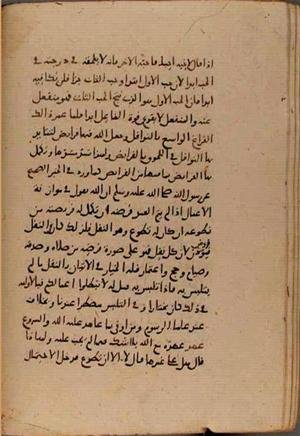
إذا قال لأخيه: «أحبك»، فأحبه الآخر، فإنه لا يلحقه في درجته في الحب أبدا؛ لأن حب الأول ابتداء، وحب الثاني جزاء، فلن يكافئه أبدا.

فإن الحب الأول هو الذي أنتج الحب الثاني، فهو منفعل عنه، والمنفعل لا يقوى قوة الفاعل أبدا.

(الفرائض في النوافل)

فلما عمر ذٰلك الفراغ الواسع بالنوافل وجعل الله فيها فرائض؛ لتتأيد بها النوافل في اللحوق بالفرائض، ولهٰذا تسد مسدها وتكمل بها الفرائض بما فيها من الفرائض، كما ورد في الخبر الصحيح عن رسول الله ص أن الله يقول في موازنة الأعمال إذا لم يتم العبد فرضه، أن تكمّل له فريضته من تطوعه إن كان له تطوع، و هو النفل، فلذٰلك كان في النفل فروض؛ لأن كل نفل فهو على صورة فرضه: من صلاة وصدقة وصيام وحج واعتمار.

(الشروع في النفل)

فله الخيار في الإتيان بالنفل ما لم يتلبس به، فإذا تلبس به، قيل له: ﴿لا تُبْطِلُوا أَعْمالَكُمْ﴾ [محمد: ٣٣].

فبالأولية في ذٰلك كان مختارا، وفي التلبس مضطرا عندنا[33]، وبخلافه عند علماء الرسوم. ﴿ومن أَوْفى بِما عاهَدَ عَلَيْهُ الله﴾ [الفتح: ١٠].

والشروع عهد عهده مع الله بلا شك فيما لم يجب عليه؛ ولهٰذا قال: «الصحابي لرسول الله ص هل على غيرها؟» قال: «لا إلا أن تطوع». فدخل الاحتمال

Notes

[33]

(هذا حكم المؤلف في لزوم النفل بعد الشروع فيه، ويصرح بعده باختلاف علماء الرسوم معه.)
Anglais

says to his brother, “I love you,” and the other loves him, the latter never reaches the former’s degree in love. The first love is an initiation, while the second is a recompense, and can never equal it.

The first love produced the second, which receives its action. What receives action never possesses the strength of what acts.

(Obligatory Elements within Supererogatory Acts)

When he fills that broad free space with supererogatory acts, God places obligatory elements within them, supporting them in attaining obligatory acts. Hence they stand in their place, and obligatory acts are completed through the obligatory elements within them. An authentic report from the Messenger of God, God’s blessings and peace be upon him, relates that God says, when weighing acts, that if the servant has not completed his obligation, it should be completed from his voluntary action, if he has any voluntary action, which is the supererogatory. Hence there are obligatory elements within the supererogatory, for every supererogatory act is upon the form of its obligatory counterpart: prayer, alms, fasting, pilgrimage, and the lesser pilgrimage.

(Beginning a Supererogatory Act)

He has the choice of undertaking the supererogatory as long as he has not entered into it. When he enters into it, he is told, “Do not nullify your acts” [Muhammad 47:33].

At the beginning he thus chooses, but upon entering he is constrained, according to us[33], contrary to the scholars of outward forms. “Whoever fulfills what he has covenanted with God” [al-Fath 48:10].

Beginning is undoubtedly a covenant he has made with God concerning what was not obligatory upon him. Hence the Companion said to the Messenger of God, God’s blessings and peace be upon him, “Do I owe anything else?” He said, “No, unless you act voluntarily.” Possibility entered

Notes

[33]

(This is the author’s ruling that a supererogatory act becomes binding after it has been begun. He explicitly states afterward that the scholars of outward forms differ from him.)

Image du manuscritVolume du manuscrit 30 · Page 121

Les textes arabe et anglais sont reliés par le même identifiant de page de Konya. La répartition est approximative ; vérifiez le manuscrit.

Référence de la source du Caire

Ibn al-Arabi, The Meccan Revelations — Volume du manuscrit 30 · Page 121 — https://www.futmak.com/francais/konya/pages.php?id=8929&text=both