
Futmak · الفتوحات المكية · Meccan Revelations

Les Futûhât al-Makkiyya

Volume du manuscrit 30 · Page 119

Manuscrit de Konya

Ouvrir la source arabeOuvrir la traduction anglaise

Arabe

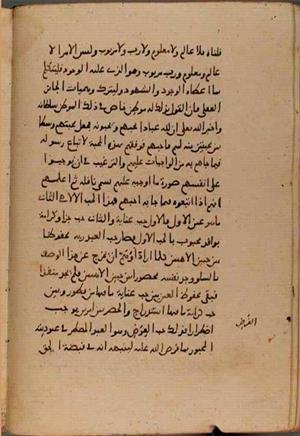
قلناه، فلا عالم ولا معلوم ولا رب ولا مربوب، وليس الأمر إلا عالم ومعلوم ورب ومربوب، وهو الذي عليه الوجود؛ فليتكلم بما أعطاه الوجود والشهود، وليترك وهميات الجائز العقلي؛ فإن القول بذٰلك له موطن خاص، في ذٰلك الموطن سلطانه.

(حب العناية وحب الجزاء)

فنقول: قد أخبر الله تعالى أن لله عبادا يحبهم ويحبونه.

فجعل محبتهم وسطا بين محبتين منه لهم، فأحبهم فوفقهم بهذه المحبة لاتباع رسوله فيما جاءهم به من الواجبات عليهم والترغيب في إن يوجبوا على أنفسهم صورة ما أوجبه عليهم يسمى نافلة.

ثم أعلمهم أنهم إذا اتبعوه فيما جاء به، أحبهم فهٰذا الحب الإلهي الثاني ما هو عين الأول؛ فالأول حب عناية، والثاني حب جزاء وكرامة بوافد محبوب بالحب الأول.

(حب العبد بين حبين)

فصار حب العبد ربه محفوظا بين حبين إلهيين؛ كلما أراد أو هم أن يخرج عن هٰذا الوصف بالسلو، وجد نفسه محصورا بين حبين إلهيين.

فلم يجد منفذا، فبقي محفوظ العين بين حب عناية ما فيها من فطور، وبين حب كرامة ما فيها استدراج.

والحصر بين أمرين يوجب اضطرارا، فذٰلك حب الفرض، وهو العبد المضطر في عبوديته المجبور بما فرض الله عليه؛ لينبهه أنه في قبضة الحق
Anglais

said is removed, there is neither knower nor known, neither Lord nor governed. Yet the matter is only knower and known, Lord and governed: this is what existence is upon. Let one therefore speak according to what existence and witnessing impart, and leave the estimative notions of rational possibility. Speaking of that has a particular setting in which its authority holds.

(The Love of Providential Care and the Love of Recompense)

We say that God Most High has reported that He has servants whom He loves and who love Him.

He placed their love between two loves of His for them. He loved them and, through this love, granted them success in following His Messenger in the obligations he brought them, and encouraged them to impose upon themselves the form of what He had imposed upon them, called supererogatory action.

He then informed them that, when they followed him in what he brought, He would love them. This second divine love is not identical with the first. The first is a love of providential care; the second is a love of recompense and honoring a visitor beloved through the first love.

(The Servant’s Love between Two Loves)

The servant’s love for his Lord thus becomes preserved between two divine loves. Whenever he wishes or intends to depart from this attribute by ceasing to love, he finds himself enclosed between two divine loves.

He finds no outlet and remains preserved in entity between a love of providential care containing no rupture and a love of honor containing no gradual entrapment.

Enclosure between two things entails constraint. This is the love of obligation: the servant constrained in his servanthood, compelled through what God has made obligatory upon him, to alert him that within the Real’s grasp he is

Image du manuscritVolume du manuscrit 30 · Page 119

Les textes arabe et anglais sont reliés par le même identifiant de page de Konya. La répartition est approximative ; vérifiez le manuscrit.

Référence de la source du Caire

Ibn al-Arabi, The Meccan Revelations — Volume du manuscrit 30 · Page 119 — https://www.futmak.com/francais/konya/pages.php?id=8927&text=both