
Futmak · الفتوحات المكية · Meccan Revelations

Les Futûhât al-Makkiyya

Volume du manuscrit 30 · Page 94

Manuscrit de Konya

Ouvrir la source arabeOuvrir la traduction anglaise

Arabe

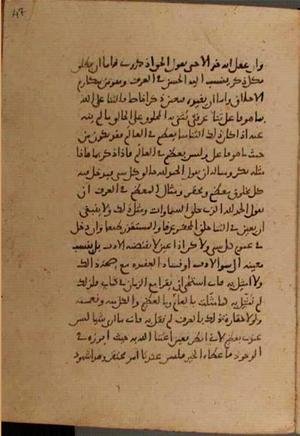
وإن عقل إنه خير ـ إلا حتى يقول الحق: ﴿اذكروني﴾ [البقرة: ١٥٢]. فأما إن يطلق بكل ذكر ينسب إليه الحسن في العرف وهو من مكارم الأخلاق وإما أن يقيده فيعين ذكرا خاصا.

(الثناء والعرف والأدب)

فالثناء على الله بما هو فاعل، هو ثناء عرفي يثني به المخلوق على الخالق ما لم ينه عنه، إذا كان ذٰلك الثناء مما يعظم في العالم. فقد يكون من حيث ما هو فاعل وليس بعظيم في العالم، فإذا ذكر بما هٰذا مثله نكر.

ومثاله أن يقول: «الحمد لله خالق كل شيء»، فيدخل فيه كل مخلوق معظم ومحقر. ومثال المعظم في العرف أن يقول: ﴿الْحَمْدُ لِلَّهِ الَّذِي خَلَقَ السَّماواتِ﴾ [الأنعام: ١] ومثل ذٰلك.

ولا ينبغي أن يعين في الثناء خلق المحقر عرفا والمستقذر طبعا، وإن دخل في عموم كل شيء، ولكن إذا عين لا يقتضيه الأدب، بل ينسب معينه إلى سوء الأدب أو فساد العقيدة مع صحة ذٰلك[24].

ولا أمثل به؛ فإني أستحيي أن يقرأ مع الزمان في كتابي؛ فلذٰلك لم نمثل به كما مثلت بالعام وبالعظيم، والكل منه ونعمته.

(عظمة المخلوق باعتناء الله به)

ولولا حقارة ذٰلك بالعرف، لم نقل به؛ فإني ما أرى شيئا ليس عندي بعظيم؛ لأني أنظر بعين اعتناء الله به حيث أبرزه في الوجود، فأعطاه الخير؛ فليس عندنا أمر محتقر.

وهٰذا شهود

Notes

[24]

(يفرق المؤلف هنا بين صحة نسبة الخلق إلى الله وبين أدب تعيين المخلوق في صيغة الثناء.)
Anglais

even if it is understood to be good—until the Real says, ﴿Remember Me﴾ [al-Baqara 2:152]. He may leave it unrestricted, through every remembrance that is considered good in custom and belongs to noble character, or restrict it by specifying a particular remembrance.

(Commendation, Custom, and Decorum)

Commending God through what He does is customary commendation, through which the creature commends the Creator, unless forbidden, when that commendation concerns what is considered immense within the world. Something may pertain to Him as agent without being immense within the world, and mentioning Him through something like this is repudiated.

An example is saying, ‘Praise belongs to God, Creator of every thing,’ which includes every creature, magnified or deemed lowly. An example of what is magnified in custom is saying: ﴿Praise belongs to God, who created the heavens﴾ [al-Anʿām 6:1], and the like.

One should not specify in commendation the creation of what is deemed lowly in custom or naturally repugnant, even if it enters into the generality of every thing. Specifying it is not required by decorum; rather, the one specifying it is charged with improper decorum or corrupt belief, despite its soundness[24].

I give no example of it, for I feel shame that it should be read through time in my book. For this reason we have not illustrated it as we illustrated the general and the immense. All is from Him and is His blessing.

(The Creature's Immensity through God's Care for It)

Were it not for its lowliness in custom, we would not speak of it thus. I see nothing that is not immense in my eyes, for I look through the eye of God's care for it, since He brought it forth into existence and gave it good. Nothing is contemptible with us.

This is the witnessing of

Notes

[24]

(The author distinguishes here between the soundness of attributing creation to God and the decorum of specifying the creature within a formulation of commendation.)

Image du manuscritVolume du manuscrit 30 · Page 94

Les textes arabe et anglais sont reliés par le même identifiant de page de Konya. La répartition est approximative ; vérifiez le manuscrit.

Référence de la source du Caire

Ibn al-Arabi, The Meccan Revelations — Volume du manuscrit 30 · Page 94 — https://www.futmak.com/francais/konya/pages.php?id=8902&text=both