
Futmak · الفتوحات المكية · Meccan Revelations

Les Futûhât al-Makkiyya

Volume du manuscrit 30 · Page 90

Manuscrit de Konya

Ouvrir la source arabeOuvrir la traduction anglaise

Arabe

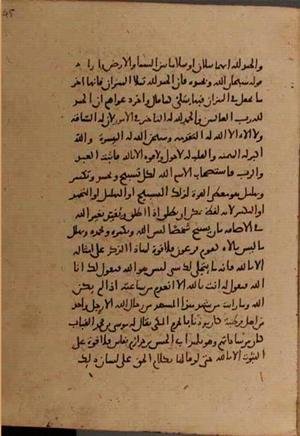
والحمد لله» إنهما «يملآن أو تملأ ما بين السماء والأرض»، و أراد قوله «سبحان الله وبحمده».

فإن «الحمد لله» تملأ الميزان؛ فإنها آخر ما يجعل في الميزان، فبها يمتلئ كما قال: ﴿وآخِرُ دَعْواهُمْ أَنِ الْحَمْدُ لِلَّهِ رَبِّ الْعالَمِينَ﴾ [يونس: ١٠].

(مراتب الأذكار)

فـ«الحمد لله» له التأخير في الأمور؛ لأن له الساقة، و«لا إله إلا الله» له التقدمة، و«سبحان الله» له الميسرة، و«الله أكبر» له الميمنة، والقلب له «لا حول ولا قوة إلا بالله». فأثبت العبد والرب.

(اسم الله وقوة الذكر)

فاستصحاب الاسم الله لكل تسبيح وتحميد وتكبير وتهليل، هو معطي القوة لذٰلك التسبيح أو التهليل أو التحميد أو التكبير.

لأنه لفظ يمكن أن يطلق إذا أطلق ويقيد بغير الله في الإضافة بأن يسبح شخصا ليس الله ويكبره ويحمده ويهلل ما ليس بإله كقوم فرعون.

فلا قوة لهٰذا الذكر على أمثاله إلا بالله؛ فإنه ما يتجلى لك شيء ليس هو الله فيقول لك: «أَنَا الله»، فتقول له: «أنت بالله»، إلا انعدم من ساعته إذ لم يكن الله.

وما رأيت من شهد هٰذا المشهد من رجال الله إلا رجل واحد من أهل قرطبة، كان مؤذنا بالحرم المكي يقال له موسى بن محمد القباب، كان من ساداتهم، وهو تلميذ أبي الحسن بن حرازم بفاس.

فلا قوة على الثبوت إلا بالله، حتى لو قالها بكلام الحق على لسان ذٰلك
Anglais

and praise belongs to God,’ that the two ‘fill—or it fills—what is between heaven and earth.’ He meant the saying, ‘Glory be to God and with His praise.’

‘Praise belongs to God’ fills the balance, for it is the last thing placed in the balance, and through it the balance becomes full. Thus He said: ﴿The last of their calls is that praise belongs to God, Lord of the worlds﴾ [Yūnus 10:10].

(The Ranks of Invocations)

‘Praise belongs to God’ comes last in affairs, for it has the rear. ‘There is no god but God’ has the advance; ‘Glory be to God’ has the left; ‘God is greater’ has the right; and the center has ‘There is no power and no strength except through God.’ He thus established the servant and the Lord.

(The Name God and the Strength of Remembrance)

The Name God accompanying every glorification, praising, magnifying, and declaration of oneness imparts strength to that glorification, declaration of oneness, praising, or magnifying.

These are expressions that, when uttered, may be left unrestricted or restricted by attribution to other than God: someone may glorify a person who is not God, magnify him, praise him, or declare godhood for what is not a god, like Pharaoh's people.

This remembrance has no strength against its likes except through God. Whenever anything that is not God discloses itself to you and says, ‘I am God,’ and you say to it, ‘You are through God,’ it immediately ceases to exist, since it was not God.

Of the men of God I have seen no one witness this witnessing except a single man from Cordoba. He was a caller to prayer at the Meccan Sanctuary named Mūsā ibn Muḥammad al-Qabbāb, one of their masters and a pupil of Abū al-Ḥasan ibn Ḥarāzim in Fez.

There is no strength to remain established except through God. Even if it uttered it through the Real's speech upon the tongue of that

Image du manuscritVolume du manuscrit 30 · Page 90

Les textes arabe et anglais sont reliés par le même identifiant de page de Konya. La répartition est approximative ; vérifiez le manuscrit.

Référence de la source du Caire

Ibn al-Arabi, The Meccan Revelations — Volume du manuscrit 30 · Page 90 — https://www.futmak.com/francais/konya/pages.php?id=8898&text=both