
Futmak · الفتوحات المكية · Meccan Revelations

Les Futûhât al-Makkiyya

Volume du manuscrit 30 · Page 89

Manuscrit de Konya

Ouvrir la source arabeOuvrir la traduction anglaise

Arabe

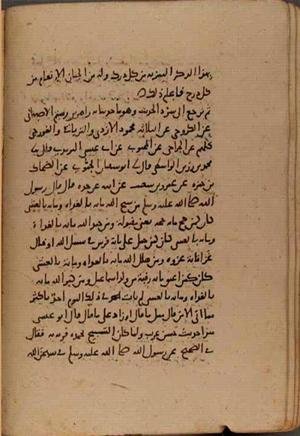
بهٰذا الذكر التنزيه من كل درك، وله من الجنان الإنعام من كل درج. فاعلم ذٰلك.

(الخبر في الأذكار الأربعة)

ثم نرجع إلى سرد الحديث، وهو ما حدثنا به زاهر بن رستم الأصفهاني عن الكروخي عن الثلاثة: محمود الأزدي والترياقي والغُورجي، كلهم عن الجراحي عن المحبوبي عن أبي عيسى الترمذي.

قال: حدثنا محمد بن رزين الواسطي، قال: حدثنا أبو سفيان الحموي عن الضحاك بن حمزة عن عمرو بن شعيب عن أبيه عن جده، قال: قال رسول الله ص:

«من سبح الله مائة بالغداة ومائة بالعشي كان كمن حج مائة حجة»، يعني مقبولة.

«ومن حمد الله مائة بالغداة ومائة بالعشي كان كمن حمل على مائة فرس في سبيل الله»، أو قال: «غزا مائة غزوة».

«ومن هلل الله مائة بالغداة ومائة بالعشي كان كمن أعتق مائة رقبة من ولد إسماعيل».

«ومن كبر الله مائة بالغداة ومائة بالعشي لم يأت في ذٰلك اليوم أحد بأكثر مما أتى إلا من قال مثل ما قال أو زاد على ما قال».

قال أبو عيسى: «هٰذا حديث حسن غريب».

(التسبيح والتحميد والميزان)

ولما كان التسبيح بحمده قربة به[22]، فقال في الصحيح عن رسول الله ص في «سبحان الله

Notes

[22]

(يعقب المؤلف هنا على الخبر، ويربط التحميد بتمام الميزان وتأخره في ترتيب الأذكار.)
Anglais

this remembrance he has transcendence beyond every depth, and from the Gardens he has blessing from every degree. Know this.

(The Report concerning the Four Invocations)

We now return to relating the report. Zāhir ibn Rustam al-Iṣfahānī related it to us from al-Karūkhī, from the three: Maḥmūd al-Azdī, al-Tiryāqī, and al-Ghūrjī, all from al-Jarrāḥī, from al-Maḥbūbī, from Abū ʿĪsā al-Tirmidhī.

He said: Muḥammad ibn Razīn al-Wāsiṭī related to us, saying: Abū Sufyān al-Ḥamawī related to us from al-Ḍaḥḥāk ibn Ḥamza, from ʿAmr ibn Shuʿayb, from his father, from his grandfather, who said: the Messenger of God, God's blessings and peace be upon him, said:

‘Whoever glorifies God a hundred times in the morning and a hundred in the evening is like one who has performed a hundred pilgrimages’—meaning accepted ones.

‘Whoever praises God a hundred times in the morning and a hundred in the evening is like one who has provided a hundred horses in God's path,’ or he said, ‘campaigned in a hundred campaigns.’

‘Whoever declares God's oneness a hundred times in the morning and a hundred in the evening is like one who has emancipated a hundred slaves from Ishmael's descendants.’

‘Whoever magnifies God a hundred times in the morning and a hundred in the evening, no one on that day brings more than he brings except one who says what he says or adds to what he says.’

Abū ʿĪsā said: ‘This is a ḥasan, gharīb report—a good, uncommon report.’

(Glorification, Praising, and the Balance)

Since glorification with His praise is nearness through Him[22], it is related in the sound report from the Messenger of God, God's blessings and peace be upon him, concerning ‘Glory be to God

Notes

[22]

(The author comments here on the report, linking praising to the balance's completion and to its late position in the ordering of invocations.)

Image du manuscritVolume du manuscrit 30 · Page 89

Les textes arabe et anglais sont reliés par le même identifiant de page de Konya. La répartition est approximative ; vérifiez le manuscrit.

Référence de la source du Caire

Ibn al-Arabi, The Meccan Revelations — Volume du manuscrit 30 · Page 89 — https://www.futmak.com/francais/konya/pages.php?id=8897&text=both