
Futmak · الفتوحات المكية · Meccan Revelations

Les Futûhât al-Makkiyya

Volume du manuscrit 30 · Page 87

Manuscrit de Konya

Ouvrir la source arabeOuvrir la traduction anglaise

Arabe

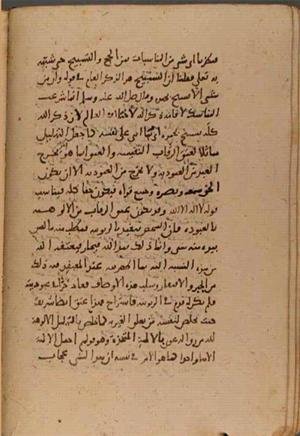
فنظرنا أي شيء من المناسبات بين الحج والتسبيح حتى شبهه به تعالى، فقلنا: إن التسبيح هو الذكر العام في قوله: ﴿وإِنْ من شَيْءٍ إِلَّا يُسَبِّحُ بِحَمْدِهِ﴾ [الإسراء: ٤٤]. وقال ص: «إنما شرعت المناسك لإقامة ذكر الله»، لاختلاف العالم؛ لأن ذكر الله كله تسبيح بحمده، أي بما أثنى على نفسه.

(التهليل وعتق الرقاب)

كما جعل التهليل مماثلا لعتق الرقاب النفيسة، والعتق إنما هو أمر يخرج العبد من العبودية، ولا يخرج من العبودية إلا أن يكون الحق سمعه وبصره وجميع قواه، فيكون حقا كله؛ فناسب قوله: «لا إله إلا الله».

(عتق الرقاب من دعوى الربوبية)

وقد يكون عتق الرقاب من الألوهية بالعبودة؛ فإن الشخص يتقيد بالربوبية فيطلب منه ما ليس بيده منه شيء.

وإنما ذٰلك بيد الله، فيحار فيعتقه الله من هذه النسبة إليه بما أظهر فيه عند المعتقد فيه ذٰلك من الجبر والافتقار وسلب هذه الأوصاف، فعاد حرا في عبوديته، فلم يكن له قدم في الربوبية، فاستراح.

فهٰذا عتق أيضا شريف، حيث تخلص لنفسه من تعلق الغير به، كما خلص بالتهليل الألوهة لله من رق الدعوى بالآلهة المتخذة، وهو قولهم: ﴿أَ جَعَلَ الْآلِهَةَ إِلهاً واحِداً﴾ ـ كما هو الأمر في نفسه ـ ﴿إِنَّ هٰذا لَشَيْءٌ عُجابٌ﴾ [ص: ٥].
Anglais

we considered what relation there is between pilgrimage and glorification, such that He, exalted is He, likened it to it. We said: glorification is the general remembrance in His saying, ﴿There is no thing but glorifies Him with His praise﴾ [al-Isrāʾ 17:44]. He, God's blessings and peace be upon him, said, ‘The rites were prescribed only to establish remembrance of God,’ because of the world's differences. All remembrance of God is glorification with His praise—that is, through what He has praised Himself with.

(Declaring Oneness and Emancipating Slaves)

Likewise, He made declaring oneness resemble the emancipation of precious slaves. Emancipation brings the servant out of servitude, and he leaves servitude only if the Real is his hearing, his sight, and all his faculties, so that he becomes wholly Real. This therefore corresponds to his saying, ‘There is no god but God.’

(Emancipation from the Claim to Lordship)

Emancipation may also be from godhood through servanthood. A person becomes bound by lordship, and what he has no power over is requested of him.

It is only in God's hand. He becomes bewildered, and God emancipates him from this attribution to him through displaying within him, to the one holding such a belief about him, compulsion, need, and the stripping away of these attributes. He becomes free within his servanthood again, with no footing in lordship, and finds rest.

This too is a noble emancipation, since he becomes free for himself from others' attachment to him, just as, through declaring oneness, he frees godhood for God from the bondage of the claim made through adopted gods. This is their saying, ﴿Has he made the gods one God?﴾—as the affair is in itself—﴿This is indeed a wondrous thing﴾ [Ṣād 38:5].

Image du manuscritVolume du manuscrit 30 · Page 87

Les textes arabe et anglais sont reliés par le même identifiant de page de Konya. La répartition est approximative ; vérifiez le manuscrit.

Référence de la source du Caire

Ibn al-Arabi, The Meccan Revelations — Volume du manuscrit 30 · Page 87 — https://www.futmak.com/francais/konya/pages.php?id=8895&text=both