
Futmak · الفتوحات المكية · Meccan Revelations

Les Futûhât al-Makkiyya

Volume du manuscrit 30 · Page 83

Manuscrit de Konya

Ouvrir la source arabeOuvrir la traduction anglaise

Arabe

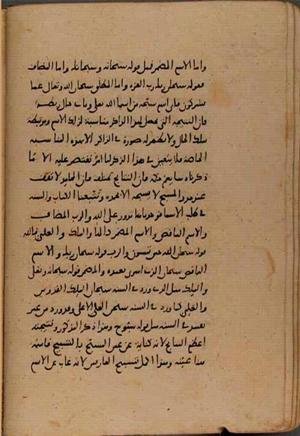
وأما الاسم المضمر فمثل قوله «سبحانه» و«سبحانك». وأما المضاف فقوله: ﴿سُبْحانَ رَبِّكَ رَبِّ الْعِزَّةِ﴾ [الصافات: ١٨٠]. وأما المطلق: ﴿سُبْحانَ الله وتَعالى عَمَّا يُشْرِكُونَ﴾ [القصص: ٦٨].

(مناسبة النتيجة للاسم والحال)

فأي اسم نسبحه من أسماء الله تعالى، وبأي حال نربطه، فإن النتيجة التي تحصل لهٰذا الذاكر تكون مناسبة لذٰلك الاسم، ومرتبطة بتلك الحال، ولا يظهر له صورة في الذاكر إلا بهذه المناسبة الخاصة.

فلا يتعين في هٰذا الذكر لنا أمر نقتصر عليه إلا ما ذكرناه مما يعم حكمه؛ فإن النتائج تختلف؛ فإن المحامد لا تقف عند حد، والمسبح لا يسبحه إلا بحمده.

(الأسماء المقترنة بالتسبيح)

وتتبعنا الكتاب والسنة في طلب الأسماء، فوجدناها تدور على الله والرب المضاف والاسم الناقص والاسم المضمر كالهاء والملك والعلي. فالله قوله: ﴿فَسُبْحانَ الله حِينَ تُمْسُونَ﴾ [الروم: ١٧]، والرب قوله: ﴿سُبْحانَ رَبِّكَ﴾ [الصافات: ١٨٠].

والاسم الناقص: ﴿سُبْحانَ الَّذِي أَسْرى بِعَبْدِهِ﴾ [الإسراء: ١] والمضمر قوله: ﴿سُبْحانَهُ وتَعالى﴾ [الأنعام: ١٠٠]. و الملك مثل الذي ورد في السنة: «سبحان الملك القدوس»، و العلي كما ورد في السنة سبحان العلي الأعلى.

و قد ورد من غير تقييد في السنة مثل قوله: «سبوح». وهٰذا ذكر المذكور، ونتيجته أعظم النتائج؛ لأنه كناية عن عين المسبح بالتسبيح، فاسمه هنا عينه. وهٰذا أكمل تسبيح العارفين؛ لأنه غاب عن الاسم
Anglais

An implicit Name is exemplified by “Glory be to Him,” subḥānahu, and “Glory be to You,” subḥānaka. An annexed Name is His saying: ﴿Glory be to your Lord, the Lord of Might﴾ [Those Ranged in Ranks 37:180]. An unrestricted Name is: ﴿Glory be to God, and exalted is He above what they associate﴾ [The Story 28:68].

(The Result’s Correspondence to the Name and the State)

Whichever of God’s Names we glorify Him through, exalted is He, and whatever state we connect it to, the result attained by this rememberer corresponds to that Name and is connected to that state. No form of it appears within the rememberer except through this particular correspondence.

We therefore cannot specify a single affair within this remembrance to which we confine ourselves, except what we have mentioned whose ruling is general. The results differ, for praises stop at no limit, and the glorifier glorifies Him only with His praise.

(The Names Joined to Glorification)

We followed the Book and Sunna in searching for the Names, and found that they revolve around Allāh, the annexed Lord, the incomplete Name, the implicit Name such as hāʾ, the King, and the High. Allāh occurs in His saying: ﴿Glory be to God when you enter the evening﴾ [The Byzantines 30:17]; and the Lord in His saying: ﴿Glory be to your Lord﴾ [Those Ranged in Ranks 37:180].

The incomplete Name occurs in ﴿Glory be to the One who took His servant by night﴾ [The Night Journey 17:1]; the implicit in His saying: ﴿Glory be to Him, and exalted is He﴾ [Cattle 6:100]. The King occurs in what the Sunna transmits: “Glory be to the King, the Holy”; and the High in what the Sunna transmits: “Glory be to the High, the Most High.”

The Sunna also transmits it without restriction, as in the saying “All-Glorified,” subbūḥ. This is remembrance of the Remembered, and its result is the greatest of results, for it alludes to the very entity of the One glorified through glorification. Here His Name is His very entity. This is the most perfect glorification of the gnostics, for within it he is absent from the Name

Image du manuscritVolume du manuscrit 30 · Page 83

Les textes arabe et anglais sont reliés par le même identifiant de page de Konya. La répartition est approximative ; vérifiez le manuscrit.

Référence de la source du Caire

Ibn al-Arabi, The Meccan Revelations — Volume du manuscrit 30 · Page 83 — https://www.futmak.com/francais/konya/pages.php?id=8891&text=both