
Futmak · الفتوحات المكية · Meccan Revelations

Les Futûhât al-Makkiyya

Volume du manuscrit 30 · Page 81

Manuscrit de Konya

Ouvrir la source arabeOuvrir la traduction anglaise

Arabe

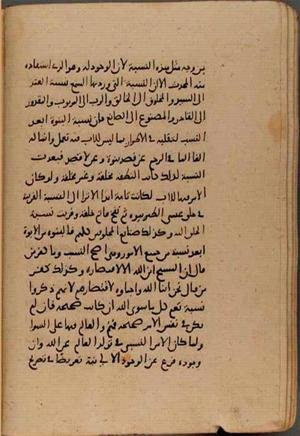
من وجه هي مثل هذه النسبة؛ لأن الوجود له وهو الذي استفاده منه المحدث إلا إن النسبة التي ورد بها السمع نسبة العبد إلى السيد والمخلوق إلى الخالق والرب إلى المربوب والمقدور إلى القادر والمصنوع إلى الصانع.

فإن نسبة البنوة أبعد النسب لتقلبه في الأطوار بما ليس للأب فيه تعمل، وإنما له إلقاء الماء في الرحم عن قصد بنوة وعن لا قصد. فبعدت النسبة، لذٰلك كانت النطفة مخلقة وغير مخلقة. ولو كان الأمر فيها للأب، لكانت تامة أبدا.

أ لا ترى إلى النسبة القريبة في خلق عيسى الطير بيده، ثم نفخ فأتم خلقه، فقربت نسبة الخلق إليه، وكذٰلك صنائع المخلوقين كلهم. فالبنوة من الأبوة أبعد نسبة من جميع الأمور، وهي أصح النسب.

وما كفر من قال إن المسيح ابن الله إلا لاقتصاره[20]، وكذٰلك كفر من قال: ﴿نَحْنُ أَبْناءُ الله وأَحِبَّاؤُهُ﴾ [المائدة: ١٨]، لاقتصارهم؛ لأنهم ذكروا نسبة تعم كل ما سوى الله إن كانت صحيحة. فإن لم تكن في نفس الأمر صحيحة، فهم والعالم فيها على السواء.

(اعتبار المؤلف في نسبة الوجود)

ولما كان الأمر النسبي في تولد العالم عن الله وأن وجوده فرع عن الوجود الإلّي[21]، نبه تعريضا في تصريح

Notes

[20]

(هذا تقرير المؤلف في سياق اعتباره للنسب، ويتصل بما يذكره بعده من عموم النسبة والفرق بين حكمها وعين الشخص.)

[21]

(كان الرسم في النسخة السابقة «الآلي»، وصُحّح إلى «الإلّي» بمقابلة الطبعة الجديدة (ج١٠، ص٤١٠).)
Anglais

in one respect is like this relation, for existence belongs to Him, and it is what the originated being acquires from Him. Yet the relation transmitted through revelation is that of servant to master, created being to Creator, Lord to lorded, object of power to Powerful, and artifact to Maker.

The relation of sonship is the most distant of relations, because the child passes through stages in which the father exerts no effort. He only casts semen into the womb, whether intending a child or not. The relation is thus distant, which is why the drop is formed or unformed. Had the affair within it belonged to the father, it would always have been complete.

Do you not see the near relation in Jesus’ creating the bird with his hand, then breathing into it and completing its creation? The relation of creation to him was thus near. So it is with all the crafts of created beings. Sonship from fatherhood is the most distant relation among all affairs, yet it is the soundest of relations.

The one who said that the Messiah is God’s son disbelieved only because of his restriction.[20] Likewise, those who said, ﴿We are God’s sons and His beloved ones﴾ [The Table 5:18], disbelieved because of their restriction, for they mentioned a relation encompassing everything other than God, if it is sound. If it is not sound in the affair itself, they and the world are equal in it.

(The Author’s Consideration of the Relation of Existence)

Since the relational affair in the world’s generation from God is that its existence branches from divine existence,[21] He drew attention indirectly within an explicit statement,

Notes

[20]

(This is the author’s account within his consideration of relations. It connects with what he subsequently mentions concerning the universality of the relation and the distinction between its ruling and the individual’s entity.)

[21]

(The previous version read “الآلي”; this was corrected to “الإلّي” by comparison with the new edition, vol. 10, p. 410.)

Image du manuscritVolume du manuscrit 30 · Page 81

Les textes arabe et anglais sont reliés par le même identifiant de page de Konya. La répartition est approximative ; vérifiez le manuscrit.

Référence de la source du Caire

Ibn al-Arabi, The Meccan Revelations — Volume du manuscrit 30 · Page 81 — https://www.futmak.com/francais/konya/pages.php?id=8889&text=both