
Futmak · الفتوحات المكية · Meccan Revelations

Les Futûhât al-Makkiyya

Volume du manuscrit 28 · Page 210

Manuscrit de Konya

Ouvrir la source arabeOuvrir la traduction anglaise

Arabe

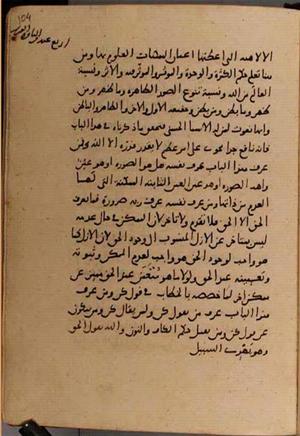
﴿رِجالٌ لا تُلْهِيهِمْ تِجارَةٌ ولا بَيْعٌ عَنْ ذِكْرِ الله﴾ [النور: ٣٧]، ﴿ورِجالٌ صَدَقُوا ما عاهَدُوا الله عَلَيْهِ﴾ [الأحزاب: ٢٣] ﴿وأَذِّنْ في النَّاسِ بِالْحَجِّ يَأْتُوكَ رِجالًا﴾ [الحج: ٢٧].

يريد على أرجلهم، لا يركبون، ﴿وعَلَى الْأَعْرافِ رِجالٌ﴾ [الأعراف: ٤٦].

فأراد بالرجال الأربعة حصر المراتب، لأنه ما ثم إلا رسول، ونبي، وولي، ومؤمن.

وما عدا هٰؤلاء الأربعة، فلا اعتبار لهم، من حيث أعيانهم، لأن الشيء لا يعتبر إلا من حيث منزلته، لا من حيث عينه الإنسانية.

فالإنسانية واحدة العين في كل إنسان، وإنما يتفاضل الناس بالمنازل، لا بالعين، حتى في الصورة من جميل، وأجمل، وغير جميل.

ولهٰذا ما جاء، رضي الله عنه، في ذكر الرجال بأكثر من أربعة، فما أراد بالأربعة إلا ما ذكرناه.

وما أراد بالرجال في هذه الآيات الذكران خاصة، وإنما أراد هٰذا الصنف الإنساني، ذكرا كان، أو أنثى.

(الركوب والاستقلال)

ولما قلت له في قوله: ﴿يَأْتُوكَ رِجالًا﴾ [الحج: ٢٧] المراد به من أتى ماشيا[79] على رجليه، قال رضي الله عنه: الرجل لا يكون محمولا، والراكب محمول.

فعلمت ما أراد، فإنه قد علم إن رسول الله ص ما أُسري به إلا محمولا على البراق، فسلمت إليه ما قال.

(البقاء على الأصل في قبول الأمر)

وما أعلمته، رضي الله عنه، إن البقاء على الأصل هو المطلوب لله من الخلق.

ولهٰذا ذكره تعالى، بقوله: ﴿وقَدْ خَلَقْتُكَ من قَبْلُ ولَمْ تَكُ شَيْئاً﴾ [مريم: ٩]، يعني موجودا،

Notes

[79]

(كان الرسم في النسخة السابقة «من أنى ماشيا»، وصُحّح إلى «من أتى ماشيا» بمقابلة الطبعة الجديدة (ج١٠، ص١٥٥).)
Anglais

“Men whom neither trade nor sale distracts from remembering God” [al-Nūr 24:37], “men who were truthful in what they covenanted with God” [al-Aḥzāb 33:23], “proclaim the pilgrimage among the people: they will come to you on foot [rijālan]” [al-Ḥajj 22:27]—

meaning upon their feet, without riding—and, “Upon the Heights are men” [al-Aʿrāf 7:46].

By the four men he meant to encompass the ranks, for there are only messenger, prophet, saint, and believer.

Those beyond these four have no consideration in respect of their entities, for a thing is considered only in respect of its station, rather than its human entity.

Humanity is a single entity within every human being. People surpass one another only through stations, rather than through the entity, even in form: beautiful, more beautiful, and not beautiful.

Hence, may God be pleased with him, he mentioned no more than four when speaking of the men. By the four he intended only what we have mentioned.

By the men in these verses he did not intend males in particular, but this human kind, whether male or female.

(Riding and Independence)

When I said to him concerning His saying, “They will come to you on foot” [al-Ḥajj 22:27], that the intended meaning is one who comes walking[79] upon his feet, he, may God be pleased with him, said: The man is not borne, while the rider is borne.

I understood what he intended, for he knew that the Messenger of God, God's blessings and peace be upon him, was borne on the Night Journey only upon the Burāq. I therefore yielded to him what he said.

(Remaining upon the Root in Receiving the Command)

I did not inform him, may God be pleased with him, that remaining upon the root is what God seeks from creation.

Hence He, exalted is He, reminded him through His saying, “I created you before, when you were nothing” [Maryam 19:9], meaning nothing existent,

Notes

[79]

(The written form in the previous copy was “man anā māshiyan”; it has been corrected to “man atā māshiyan” [one who came walking] by comparison with the new edition [vol. 10, p. 155].)

Image du manuscritVolume du manuscrit 28 · Page 210

Les textes arabe et anglais sont reliés par le même identifiant de page de Konya. La répartition est approximative ; vérifiez le manuscrit.

Référence de la source du Caire

Ibn al-Arabi, The Meccan Revelations — Volume du manuscrit 28 · Page 210 — https://www.futmak.com/francais/konya/pages.php?id=8536&text=both