
Futmak · الفتوحات المكية · Meccan Revelations

Les Futûhât al-Makkiyya

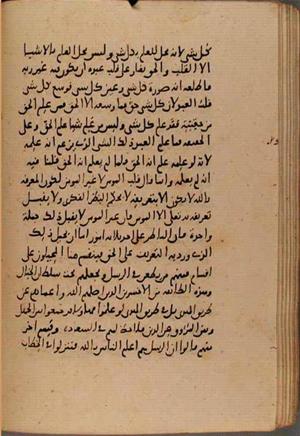
Volume du manuscrit 28 · Page 201

Manuscrit de Konya

Ouvrir la source arabeOuvrir la traduction anglaise

Arabe

من هٰذا القول.

فهٰذا القسم متحكم أيضا، بحسن عبارة، وإنه رد على الله، بحسن عبارة، فإنهم جعلوا نفوسهم حكم نفوس لم تسمع ذٰلك الخطاب.

وقسم آخر قالوا: نؤمن بهٰذا اللفظ على حد علم الله فيه، وعلم رسوله ص، فهٰؤلاء قد قالوا: إن الله خاطبنا عبثا، لأنه خاطبنا بما لا نفهم.

والله يقول: ﴿وما أَرْسَلْنا من رَسُولٍ إِلَّا بِلِسانِ قَوْمِهِ لِيُبَيِّنَ لَهُمْ﴾ [إبراهيم: ٤].

وقد جاء بهٰذا، فقد أبان، كما قال الله، لكن أبى هٰؤلاء أن يكون ذٰلك بيانا، وهٰؤلاء كلهم مسلمون.

(الكشف عن آيات النفس والآفاق)

وأما الأمر الثالث فهم الذين كشف الله عن أعين بصائرهم غطاء الجهل، فأشهدهم آيات أنفسهم، وآيات الآفاق فتبيّن لهم أنه الحق، لا غيره.

فآمنوا به، بل علموه بكل وجه، وفي كل صورة ﴿وإِنَّهُ بِكُلِّ شَيْءٍ مُحِيطٌ﴾ [فصلت: ٥٤].

فلا يرى العارف شيئا إلا فيه، فهو ظرف إحاطة لكل شيء.

وكيف لا يكون؟ وقد نبه على ذٰلك باسمه الدهر، فدخل فيه كل ما سوى الله.

فمن رأى شيئا، فما رآه إلا فيه.

ولذٰلك قال الصديق: «ما رأيت شيئا إلا رأيت الله قبله»، لأنه ما رآه حتى دخل فيه.

فبالضرورة يرى الحق قبل الشيء بعينه، لأنه يرى صدور ذٰلك الشيء منه.

(القلب والوجود)

فالحق بيت الموجودات كلها، لأنه الوجود، وقلب العبد بيت الحق، لأنه وسعه، ولكن قلب المؤمن لا غير.
Anglais

of this saying.’

This group likewise imposes its judgment in polite language and rejects God in polite language, for they have placed themselves under the same ruling as those who have not heard that address.

Another group says, ‘We believe in this expression according to God’s knowledge of it and His Messenger’s knowledge—God’s blessings and peace be upon him.’ These have said that God addressed us in vain, because He addressed us with what we do not understand.

God says, ‘We sent no messenger except in the language of his people, to make clear to them’ [Ibrahim 14:4].

He brought this and thus made it clear, as God said, but these people refuse to let it be a clarification. All of these are Muslims.

(Unveiling the Signs within the Self and the Horizons)

As for the third position, these are the ones from whose eyes of insight God has removed the covering of ignorance. He made them witness the signs within themselves and the signs of the horizons, so it became clear to them that He is the Real, none other.

They believed in Him—indeed, knew Him in every respect and within every form. ‘He encompasses everything’ [Fussilat 41:54].

The knower sees nothing except within Him. He is a container encompassing everything.

How could He not be? He drew attention to this through His Name Time, within which everything other than God enters.

Whoever sees a thing sees it only within Him.

For this reason al-Siddiq said, ‘I have never seen a thing without seeing God before it,’ for he did not see it until it entered within Him.

Necessarily, therefore, he sees the Real before the very thing, because he sees that thing’s proceeding forth from Him.

(The Heart and Existence)

The Real is the house of all existents, for He is existence. The servant’s heart is the house of the Real, for it encompasses Him—but only the believer’s heart, no other.

Image du manuscritVolume du manuscrit 28 · Page 201

Les textes arabe et anglais sont reliés par le même identifiant de page de Konya. La répartition est approximative ; vérifiez le manuscrit.

Référence de la source du Caire

Ibn al-Arabi, The Meccan Revelations — Volume du manuscrit 28 · Page 201 — https://www.futmak.com/francais/konya/pages.php?id=8527&text=both