
Futmak · الفتوحات المكية · Meccan Revelations

Les Futûhât al-Makkiyya

Volume du manuscrit 28 · Page 194

Manuscrit de Konya

Ouvrir la source arabeOuvrir la traduction anglaise

Arabe

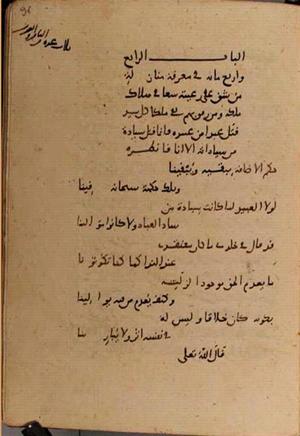
مأمور بالنظر في أحواله[73] من رعاياه، فقد عزل نفسه بفعله، ورمت به المرتبة.

وبقي عليه السؤال من الله، والوبال، والخيبة، وفقد الرئاسة والسيادة، وحرمه الله خيرها، وندم حيث لم ينفعه الندم؛ فإنه لو لم يسأل عن ذٰلك، وترك وشأنه، لكان بعض شيء.

(دوام السيادة الإلهية)

إلا الحق، فإنه لا ينقص عنه من ملكه شيء؛ فإن عبده إذا مات من الحياة الدنيا، انتقل إليه في البرزخ، فبقي حكم السيادة لله عليه، بخلاف الإنسان إذا مات عبده، ماتت سيادته التي كان بها سيدا عليه، فهٰذا الفرق بيننا وبين الحق في الربوبية.

قال ص: «إن الله يحب الرفق في الأمر كله»، فالعالم من علم الرفق، والرفيق، والمرفوق.

فما من إنسان إلا وهو رفيق مرفوق به، فهو مملوك من وجه، مالك من وجه ﴿ورفع بعضكم فوق بعض درجات ليتخذ بعضكم بعضا سخريا﴾ [الأنعام: ١٦٥؛ الزخرف: ٣٢]، والله ﴿رَفِيعُ الدَّرَجاتِ﴾ [غافر: ١٥]، فنحن له، كما هو لنا، وكما نحن لنا، فنحن لنا وله، وهو لنا، لا له.

(العلم والمعلومات وتعلق الصفات)

وليس في هٰذا الباب أشكل من إضافة العلم الإلهي إلى المعلومات، ولا القدرة إلى المقدورات، ولا الإرادة إلى المرادات، لحدوث التعلق، أعني تعلق كل صفة بمتعلقها، من حيث العالم، والقادر، والمريد؛ فإن المعلومات والمقدورات والمرادات، لا نهاية لها، فهو يحيط

Notes

[73]

(حُفظ تركيب هذه العبارة وحروفها من المصدر، واقتصر الفصل بين الكلمات على ما لا يغيّر حروف النص.)
Anglais

subjects whose states he is commanded to examine[73], he has removed himself from office through his action, and the rank has cast him aside.

There remain for him questioning by God, the evil consequence, disappointment, loss of leadership and mastery, and God’s depriving him of their good. He regrets when regret no longer benefits him. Had he not been questioned about this but been left to his own affairs, that would at least have been something.

(The Perpetuity of Divine Mastery)

The Real is the exception: nothing of His kingdom diminishes from Him. When His servant dies to the life of this world, he passes to Him in the isthmus, so God’s mastery over him remains. By contrast, when a human being’s slave dies, the mastery through which he was that slave’s master dies. This is the difference between us and the Real in lordship.

He—God’s blessings and peace be upon him—said, ‘God loves gentleness in every affair.’ The knower is therefore one who knows gentleness, the one showing gentleness, and the one shown gentleness.

Every human being both shows gentleness and is shown it: he is owned in one respect and an owner in another. ‘He raised some of you above others in degrees, so that some of you might take others into service’ [al-Anʿam 6:165; al-Zukhruf 43:32]. God is ‘the Raiser of degrees’ [Ghafir 40:15]. We are therefore His, as He is ours, and as we are ours. We are ours and His, and He is ours, not His own.

(Knowledge, Objects of Knowledge, and the Attachment of Attributes)

Nothing in this matter is more problematic than the attribution of divine knowledge to objects of knowledge, power to objects of power, and will to objects of will, because of the origination of attachment: I mean the attachment of each attribute to its object from the standpoint of the knower, the powerful, and the willing. For objects of knowledge, power, and will have no end, and He encompasses in

Notes

[73]

(The construction and letters of this expression have been retained from the source. The separation of words was limited to what does not alter the text’s letters.)

Image du manuscritVolume du manuscrit 28 · Page 194

Les textes arabe et anglais sont reliés par le même identifiant de page de Konya. La répartition est approximative ; vérifiez le manuscrit.

Référence de la source du Caire

Ibn al-Arabi, The Meccan Revelations — Volume du manuscrit 28 · Page 194 — https://www.futmak.com/francais/konya/pages.php?id=8520&text=both