
Futmak · الفتوحات المكية · Meccan Revelations

Les Futûhât al-Makkiyya

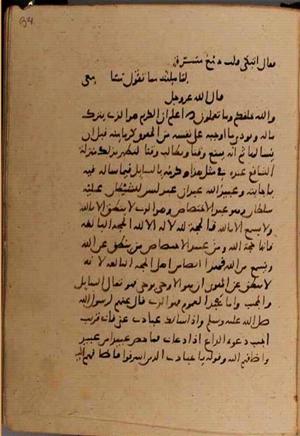
Volume du manuscrit 28 · Page 190

Manuscrit de Konya

Ouvrir la source arabeOuvrir la traduction anglaise

Arabe

فما ثَمَّ إلا عبده وهو ربه وما ثَمَّ إلا راحم ورحيم.

(الرحيم بمعنى المرحوم)

أراد بالرحيم، هنا، المرحوم، اسم مفعول مثل قتيل، وجريح، وطريد.

﴿ولا تَبْدِيلَ لِكَلِماتِ الله﴾ [يونس: ٦٤]، وهي أعيان العالم، وإنما التبديل لله، لا لهم ﴿ما نَنْسَخْ من آيَةٍ أَوْ نُنْسِها نَأْتِ بِخَيْرٍ مِنْها أَوْ مِثْلِها﴾ [البقرة: ١٠٦].

وفي قراءة: «أو نَنْسَأْهَا»؛ ﴿فَأُوْلئِكَ يُبَدِّلُ الله سَيِّئاتِهِمْ حَسَناتٍ﴾ [الفرقان: ٧٠].

(تبديل النعمة ومعنى العقاب)

﴿ومن يُبَدِّلْ نِعْمَةَ الله﴾، وهي ما بشرنا به من عموم مغفرته ﴿من بَعْدِ ما جاءَتْهُ﴾ [البقرة: ٢١١]، فـ«من» هنا، وإن كانت شرطا، ففيها رائحة الاستفهام.

وقال في الجواب: ﴿فَإِنَّ الله شَدِيدُ الْعِقابِ﴾ [البقرة: ٢١١]، ولم يقل: فإن الله يعاقب من بدل نعمة الله، فهو كما قال: ﴿شَدِيدُ الْعِقابِ﴾، في حال العقوبة.

فما ثم من يقدر ﴿يُبَدِّلْ نِعْمَةَ الله من بَعْدِ ما جاءَتْهُ﴾ [البقرة: ٢١١]، فيبدل نعمة الله بما هو خير منها، بحسب حاجة الوقت، فإن الحكم له، أو مثلها، والنسخ تبديل لا بَدْءٌ. ثم[71] إنه القائل: «أنا عند ظن عبدي بي فليظن بي خيرا».

فمن لم يظن بالله خيرا، فقد عصى أمره، وجهل ربه، وأشقى من إبليس، فلا يكون.

وقد أخبر الله تعالى عنه أنه يتبرأ من الكافر، ووصفه بالخوف لله رب العالمين، وقد ذكر تعالى أنه ﴿إِنَّما يَخْشَى الله من عِبادِهِ الْعُلَماءُ﴾ [فاطر: ٢٨].

وأتم هذه الآية بقوله: ﴿إِنَّ الله عَزِيزٌ﴾ [فاطر: ٢٨]، أي يمتنع أن يؤثر

Notes

[71]

(كان الرسم في النسخة السابقة «والنسخ تبديل لا بدائم، أنه القائل»، وصُحّح إلى «والنسخ تبديل لا بدء. ثم إنه القائل» بمقابلة الطبعة الجديدة (ج١٠، ص١٤٠).)
Anglais

There is therefore only His servant, and He is his Lord; there is only one showing mercy and one receiving mercy.

(Rahim in the Sense of One Shown Mercy)

By rahim here he means marhum, one shown mercy: a passive noun like qatil, one killed; jarih, one wounded; and tarid, one driven away.

‘There is no changing God’s words’ [Yunus 10:64], which are the entities of the world. Changing belongs to God, not to them: ‘Whatever verse We abrogate or cause to be forgotten, We bring one better than it or like it’ [al-Baqara 2:106].

In another reading, ‘or defer it.’ ‘Those are the ones whose evil deeds God changes into good deeds’ [al-Furqan 25:70].

(Changing the Blessing and the Meaning of Punishment)

‘Whoever changes God’s blessing’—the glad tidings He gave us of His universal forgiveness—‘after it has come to him’ [al-Baqara 2:211]: although ‘whoever’ here is conditional, it has a scent of interrogation.

In the answer He said, ‘God is severe in punishment’ [al-Baqara 2:211]. He did not say, ‘God punishes whoever changes God’s blessing.’ He is as He said, ‘severe in punishment,’ in the state of punishment.

There is no one capable of ‘changing God’s blessing after it has come to him’ [al-Baqara 2:211]. He changes God’s blessing into what is better than it, according to the need of the moment, for the ruling belongs to Him, or into its like. Abrogation is replacement, not a beginning. Moreover[71], He is the one who says, ‘I am as My servant thinks of Me, so let him think well of Me.’

Whoever does not think well of God has disobeyed His command, failed to know his Lord, and is more wretched than Iblis—so this is not to be.

God Most High reported of him that he disavows the unbeliever, and described him as fearing God, Lord of the worlds. He—exalted is He—mentioned that ‘only the knowers among His servants fear God’ [Fatir 35:28].

He completed this verse with His saying, ‘God is Mighty’ [Fatir 35:28]—that is, it is impossible for anything to affect

Notes

[71]

(The previous copy read والنسخ تبديل لا بدائم، أنه القائل; it was corrected to والنسخ تبديل لا بدء. ثم إنه القائل, ‘Abrogation is replacement, not a beginning. Moreover, He is the one who says,’ by comparison with the new edition, volume 10, page 140.)

Translator’s note: The closing فلا يكون may assert “such a one does not or cannot exist,” or convey “let him not be such.” The main phrasing leaves this distinction open.

Image du manuscritVolume du manuscrit 28 · Page 190

Les textes arabe et anglais sont reliés par le même identifiant de page de Konya. La répartition est approximative ; vérifiez le manuscrit.

Référence de la source du Caire

Ibn al-Arabi, The Meccan Revelations — Volume du manuscrit 28 · Page 190 — https://www.futmak.com/francais/konya/pages.php?id=8516&text=both