Les Futûhât al-Makkiyya

Volume du manuscrit 28 · Page 158

Manuscrit de Konya

Ouvrir la source arabeOuvrir la traduction anglaise

Arabe

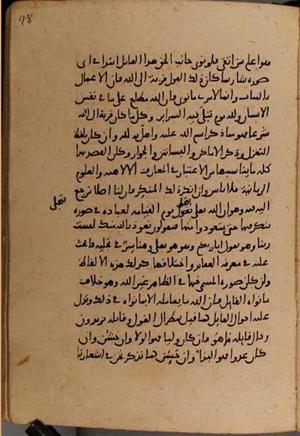
في ذٰلك، مع إمكان وجود هذه الاحتمالات.

إذ لا تصح المنكرات، إلا بما لا يتطرق إليها احتمال.

وهٰذا يغلط فيه كثير من المتدينين، لا من أصحاب الدين، فإن أصحاب الدين المتين أول ما يحتاط على نفسه، ولا سيما في الإنكار خاصة.

فإن للمغير شروطا في التغيير؛ فإن الله ندبنا إلى حسن الظن بالناس، لا إلى سوء الظن بهم.

فلا ينكر صاحب الدين مع الظن، وقد سمع ﴿إِنَّ بَعْضَ الظَّنِّ إِثْمٌ﴾ [الحجرات: ١٢]، فلعل هٰذا من ذٰلك البعض، وإثمه أن ينطق به، وإن وافق العلم في نفس الأمر، فإن الله يؤاخذه، بكونه ظن وما علم، فنطق فيه بأمر محتمل، ولم يكن له ذٰلك.

(النظر إلى النفس والاحتياط في الحكم)

وسوء الظن بنفس الإنسان أولى من سوء ظنه بالغير، لأنه من نفسه على بصيرة، وليس هو من غيره على بصيرة.

فلا يقال فيه، في حق نفسه إنه سيئ الظن بنفسه، لأنه عالم بنفسه، وإنما قلنا فيه إنه يسيء الظن بنفسه، اتباعا لسوء ظنه بغيره، فهو من تناسب الكلام.

وله وجه في الحقائق الشرعية، فإنه بالنظر إلى نفسه ليس هو في فعله ما ينكره على نفسه، على الحقيقة عالما بأنه في فعله ذٰلك على منكر يعلمه، بل هو على ظن، فسوء الظن بنفسه أولى.

وذٰلك أن لله عبادا، قد قال لهم الله: «افعلوا ما شئتم فقد غفرت لكم»، فما فعلوا إلا
Anglais

in this, while these possibilities may exist.

Wrongs can be established as such only when no alternative possibility can apply to them.

Many who profess religiosity err in this, rather than those possessing religion: the first concern of those possessing firm religion is caution concerning themselves, especially in condemnation.

Anyone changing a wrong must fulfill conditions in changing it. God has urged us to think well of people, rather than ill of them.

A person of religion does not condemn on suspicion, having heard: ﴿Some suspicion is sin﴾ [al-Ḥujurāt 49:12]. Perhaps this belongs to that ‘some.’ Its sin is his uttering it, even if it agrees with knowledge of the affair as it is. God calls him to account because he supposed rather than knew, and spoke concerning a matter open to possibilities, which he had no right to do.

(Considering the Self and Caution in Judgment)

Thinking ill of one's own soul is more fitting than thinking ill of another, for one has insight into oneself, but not into another.

Strictly, one is not said to think ill of oneself, for one knows oneself. We have said he thinks ill of himself only in conformity with his thinking ill of another: it is a correspondence within the wording.

It also has a ground within the realities of the Revealed Law. In considering himself concerning a deed he condemns within himself, he does not truly know that in doing it he commits a wrong he knows as such. Rather, he supposes it, so thinking ill of himself is more fitting.

For God has servants to whom He has said, ‘Do whatever you wish, for I have forgiven you.’ Thus they have done only

Image du manuscritVolume du manuscrit 28 · Page 158

Les textes arabe et anglais sont reliés par le même identifiant de page de Konya. La répartition est approximative ; vérifiez le manuscrit.

Référence de la source du Caire

Ibn al-Arabi, The Meccan Revelations — Volume du manuscrit 28 · Page 158 — https://www.futmak.com/francais/konya/pages.php?id=8484&text=both