Les Futûhât al-Makkiyya

Volume du manuscrit 28 · Page 156

Manuscrit de Konya

Ouvrir la source arabeOuvrir la traduction anglaise

Arabe

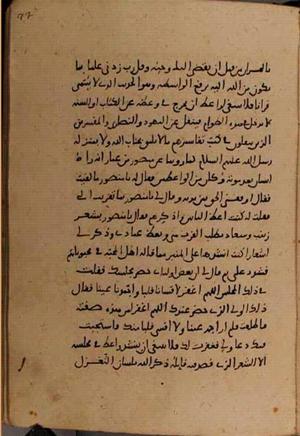
هُوَ أَعْلَمُ بِمَنِ اتَّقى﴾ [النجم: ٣٢].

فلو نوى جانب الحق هٰذا القائل، ابتداء، في أي صورة شاء، ربما كان ذٰلك القول، قربة إلى الله، فإن الأعمال بالنيات، وإنما لكل امرئ ما نوى.

فإن الله مطلع على ما في نفس الإنسان، ولله يوم تبلى فيه السرائر.

وكل ما كان، قربة إلى الله، شرعا، فهو مما ذكر اسم الله عليه، وأهل به لله، وإن كان بلفظ التغزل، وذكر الأماكن والبساتين، والجوار، وكان القصد بهٰذا كله ما يناسبها من الاعتبار في المعارف الإلهية والعلوم الربانية، فلا بأس، وإن أنكر ذٰلك المنكر.

(الصورة الظاهرة وقصد القائل)

فإن لنا أصلا نرجع إليه فيه، وهو أن الله تعالى يتجلى يوم القيامة لعباده، في صورة ينكر فيها، حتى يتعوذوا منها، فيقولون: «نعوذ بالله منك لست ربنا»، وهو يقول: «أنا ربكم»، وهو هو تعالى، وهنا سر في تجليه، فابحث عليه في معرفة العقائد، واختلافها.

كذٰلك هذه الألفاظ، وإن كان صورة المسمى فيها في الظاهر غير الله، وهو خلاف ما نواه القائل، فإن الله ما يعامله إلا بما نواه في ذٰلك.

وتدل عليه أحوال القائل، كما قيل: ينظر إلى القول وقائله، يريدون: وحال قائله ما هو[58].

فإن كان وليا، فهو الولاء، وإن خشن، وإن كان عدوا، فهو البذاء، وإن حسن.

(شعر المؤلف وشرح ترجمان الأشواق)

كما نذكر نحن في أشعارنا،

Notes

[58]

(كان الرسم في النسخة السابقة «قاتله»، وصُحّح إلى «قائله» بمقابلة الطبعة الجديدة (ج١٠، ص١١٥).)
Anglais

He knows best who is godfearing﴾ [al-Najm 53:32].

Had this speaker intended the side of the Real from the outset, in whatever form he wished, that saying might have been a means of nearness to God. Deeds are according to intentions, and each person has only what he intended.

God sees what is within the human soul, and God has a day upon which secrets are tested.

Whatever is a means of nearness to God according to the Revealed Law is among that over which God's Name has been mentioned and which is dedicated to God, even if expressed as love poetry, mentioning places, gardens, and young women. If the intention in all this concerns the considerations corresponding to these within divine gnoses and lordly sciences, there is no harm, even if an objector objects.

(The Manifest Form and the Speaker's Intention)

We have a principle to which we return in this: God, exalted is He, discloses Himself to His servants on the Day of Resurrection in a form in which He is denied, so that they seek refuge from it, saying, ‘We seek refuge in God from you: you are not our Lord,’ while He says, ‘I am your Lord.’ It is He, exalted is He. There is a secret here within His self-disclosure; seek it in knowing beliefs and their differences.

Likewise with these expressions: although the form of what they name is outwardly other than God, contrary to what the speaker intended, God deals with him only according to what he intended in this.

The speaker's states indicate it, as has been said: regard the saying and its speaker, meaning also what the speaker's state is[58].

If he is a friend, it is friendship, even if harsh; if he is an enemy, it is abuse, even if beautiful.

(The Author's Poetry and His Commentary on The Interpreter of Longings)

As with what we mention within our poetry,

Notes

[58]

(The written form in the previous copy was ‘qātilihi’ [his killer]; it was corrected to ‘qāʾilihi’ [its speaker] by comparison with the new edition, vol. 10, p. 115.)

Image du manuscritVolume du manuscrit 28 · Page 156

Les textes arabe et anglais sont reliés par le même identifiant de page de Konya. La répartition est approximative ; vérifiez le manuscrit.

Référence de la source du Caire

Ibn al-Arabi, The Meccan Revelations — Volume du manuscrit 28 · Page 156 — https://www.futmak.com/francais/konya/pages.php?id=8482&text=both