
Futmak · الفتوحات المكية · Meccan Revelations

Les Futûhât al-Makkiyya

Volume du manuscrit 28 · Page 123

Manuscrit de Konya

Ouvrir la source arabeOuvrir la traduction anglaise

Arabe

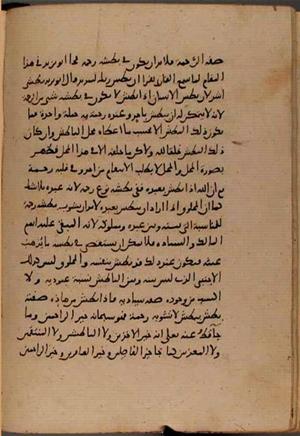
صفة الرحمة، فلا بد أن يكون في بطشه رحمة.

(البطش والرحمة في تفسير المؤلف)

فجاء أبو يزيد في هٰذا المقام، لما سمع القارئ يقرأ ﴿إِنَّ بَطْشَ رَبِّكَ لَشَدِيدٌ﴾ [البروج: ١٢]، قال أبو يزيد: «بطشي أشد[45]».

لأن بطش الإنسان، إذا بطش لا يكون في بطشه شيء من الرحمة، لأنه لا يتمكن له أن يبطش بأحد، وعنده رحمة به جملة واحدة.

فما يكون ذٰلك البطش إلا بحسب ما أعطاه محل الباطش، وإن كان ذٰلك البطش خلقا لله، ولكن ما خلقه إلا في هٰذا المحل، فظهر بصورة المحل، والمحل لا يطلب الانتقام من أحد، وفي قلبه رحمة.

ثم إن الله، إذا بطش بعبده، ففي بطشه نوع رحمة، لأنه عبده بلا شك.

كما إن المخلوق إذا أراد أن يبطش بعبده، لا بد أن يشوب بطشه نوع رحمة، للمناسبة التي بينه وبين عبده ومملوكه، لأنه المبقي عليه اسم المالك والسيادة، فلا يمكن أن يستقصي في بطشه، ما يذهب عينه، فيكون عند ذٰلك قد بطش بنفسه.

والمخلوق ليس كذٰلك في الأجنبي، الذي ليس بينه وبين الباطش نسبة عبودية، ولا اكتسب من وجوده صفة سيادة.

فإذا بطش من هذه صفته، بطش ببطش لا تشوبه رحمة، فهو سبحانه ﴿خَيْرُ الرَّاحِمِينَ﴾ [المؤمنون: ١٠٩].

(صيغ التفضيل في الرحمة والمغفرة)

وما جاء قط عنه تعالى أنه خير الآخذين، ولا الباطشين، ولا المنتقمين، ولا المعذبين، كما جاء ﴿خَيْرُ الْفاصِلِينَ﴾ [الأنعام: ٥٧] و﴿خَيْرُ الْغافِرِينَ﴾ [الأعراف: ١٥٥] وخَيْرُ الرَّاحِمِينَ

Notes

[45]

(يفسّر المؤلف هذا القول في تتمة الفقرة بوجود الرحمة أو عدمها في البطش؛ ولم يجعله هنا وصفاً لمقدار القدرة.)
Anglais

the attribute of mercy must have mercy within his seizing.

(Seizing and Mercy in the Author's Interpretation)

Abū Yazīd came to this station when he heard the reciter reciting ﴿Truly, your Lord's seizing is severe﴾ [al-Burūj 85:12], and said, ‘My seizing is more severe[45].’

For when a human being seizes, there is no mercy at all in his seizing: it is not possible for him to seize anyone while having any mercy toward him whatsoever.

That seizing is only according to what the locus of the one seizing imparts. Although that seizing is God's creation, He created it only within this locus, so it appeared in the locus's form. The locus does not seek vengeance against anyone while mercy is in its heart.

But when God seizes His servant, there is a kind of mercy in His seizing, for he is His servant without a doubt.

Likewise, when a creature wishes to seize his own slave, a kind of mercy must mingle with his seizing because of the affinity between him and his servant and possession: that slave maintains for him the name of owner and mastery. He therefore cannot pursue his seizing to the utmost, to the point of eliminating the slave's entity, for in that case he would have seized himself.

The creature is not like this toward a stranger between whom and the one seizing there is no relation of servitude, and from whose existence he has acquired no attribute of mastery.

When someone of this description seizes, he does so with a seizure unmixed with mercy. He, glorified is He, is therefore ﴿the Best of the merciful﴾ [al-Muʾminūn 23:109].

(Comparative Formulations in Mercy and Forgiveness)

It has never been stated of Him, exalted is He, that He is the best of those who take hold, seize, avenge, or punish, as it has been stated that He is ﴿the Best of those who decide﴾ [al-Anʿām 6:57], ﴿the Best of those who forgive﴾ [al-Aʿrāf 7:155], the Best of the merciful,

Notes

[45]

(In the remainder of the paragraph, the author explains this saying in terms of the presence or absence of mercy in seizing; he does not take it here as describing the magnitude of power.)

Image du manuscritVolume du manuscrit 28 · Page 123

Les textes arabe et anglais sont reliés par le même identifiant de page de Konya. La répartition est approximative ; vérifiez le manuscrit.

Référence de la source du Caire

Ibn al-Arabi, The Meccan Revelations — Volume du manuscrit 28 · Page 123 — https://www.futmak.com/francais/konya/pages.php?id=8449&text=both