
Futmak · الفتوحات المكية · Meccan Revelations

Les Futûhât al-Makkiyya

Volume du manuscrit 28 · Page 120

Manuscrit de Konya

Ouvrir la source arabeOuvrir la traduction anglaise

Arabe

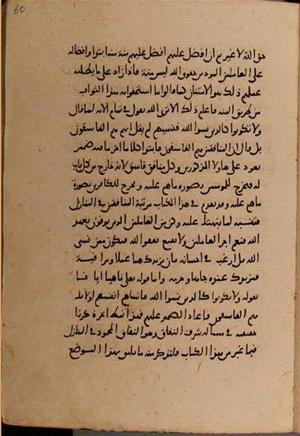
حق الله، لا غير.

ثم إن أفضل عليهم أفضل عليهم، منة منه ابتداء، وإفضاله على العاملين المؤدين حقوق الله، ليس منة.

فإذا زاد على ما يطلبه عملهم، ذٰلك هو الامتنان، كما نالوا ما استحقوا به هٰذا الثواب، من طريق المنة، فاعلم ذٰلك.

(توجيه الضمائر واختلاف الصيغ في النص)

ألا ترى الله يقول في تمام هذه الآية، لما قال: ﴿نَسُوا الله فَنَسِيَهُمْ[43]﴾، لم يقل إنهم هم الفاسقون، بل قال: ﴿إِنَّ الْمُنافِقِينَ هُمُ الْفاسِقُونَ﴾ [التوبة: ٦٧].

فابتدأ كلاما آخر، ما فيه ضمير يعود على هٰؤلاء المذكورين.

وكل منافق فاسق، لأنه خارج من كل باب له، فيخرج للمؤمنين بصورة ما هم عليه، ويخرج للكافرين بصورة ما هم عليه.

وقد تقدم في هٰذا الكتاب مرتبة المنافقين في المنازل، فتنبه لما نبهتك عليه، وكن من العاملين ﴿الَّذِينَ يُوفُونَ بِعَهْدِ الله﴾ [الرعد: ٢٠] ﴿فَنِعْمَ أَجْرُ الْعامِلِينَ﴾ [الزمر: ٧٤].

ولا تقنع بعفو الله، فتكون ممن نسي الله، بل ارغب في إحسانه، بأن يزيدك هنا عملا ومراقبة، فيزيدك عنده جاها وحرمة.

(إنساء النفس والمعرفة بها)

وأما قوله تعالى ناهيا إيانا بقوله: ﴿ولا تَكُونُوا كَالَّذِينَ نَسُوا الله فَأَنْساهُمْ أَنْفُسَهُمْ أُولئِكَ هُمُ الْفاسِقُونَ﴾ [الحشر: ١٩]، فأعاد الضمير عليهم، فهٰذا نمط آخر ذكرنا حقيقته في مسألة شرف النفاق، وهو النفاق المحمود في المنازل، فيما غَبَر من هٰذا الكتاب.

فلنذكر منه ما يليق بهٰذا الموضع،

Notes

[43]

(أُفرد هنا الاستشهاد بـ«نسوا الله فنسيهم» عن صيغة «ولا تكونوا كالذين نسوا الله فأنساهم أنفسهم» التي يوردها المؤلف لاحقًا، بمقابلة الطبعة الجديدة؛ وانظر التخريج المضاف إلى كل موضع.)
Anglais

God's right, and nothing else.

Then, if He bestows favor on them, He bestows it as an initial gratuitous gift from Him. His beneficence toward those who act and fulfill God's rights is not a gratuitous gift.

When He adds to what their deeds require, that is gratuitous favor—just as their attainment of that through which they deserved this reward came by way of gratuitous favor. So know this.

(The References of Pronouns and the Text's Differing Formulations)

Do you not see that, in completing this verse, after saying ﴿They forgot God, so He forgot them[43]﴾, God did not say, ‘They are the transgressors,’ but rather said: ﴿Truly, the hypocrites are the transgressors﴾ [al-Tawba 9:67]?

He began another statement containing no pronoun referring back to these people just mentioned.

Every hypocrite is a transgressor, for he goes out through every door available to him: he comes out to the believers in the form of what they adhere to, and comes out to the unbelievers in the form of what they adhere to.

The rank of the hypocrites among the Abodes has already been discussed in this book. Pay attention, then, to what I have drawn to your attention, and be among those who act, ﴿who fulfill God's covenant﴾ [al-Raʿd 13:20]: ﴿How excellent is the wage of those who act!﴾ [al-Zumar 39:74].

Do not content yourself with God's pardon and thereby become one of those who forgot God. Rather, desire His beneficence: that He increase you here in action and watchfulness, and thus increase you in standing and honor with Him.

(Being Made to Forget the Self and Knowledge of It)

As for His saying, exalted is He, in prohibiting us: ﴿Do not be like those who forgot God, so He made them forget themselves. Those are the transgressors﴾ [al-Ḥashr 59:19], He referred the pronoun back to them. This is another pattern, whose reality we explained in the question of the nobility of hypocrisy—praiseworthy hypocrisy—among the Abodes, in an earlier portion of this book.

Let us mention of it what is fitting here,

Notes

[43]

(Here the citation ‘They forgot God, so He forgot them’ has been distinguished from the formulation ‘Do not be like those who forgot God, so He made them forget themselves,’ which the author quotes later, by comparison with the new edition. See the references added at each occurrence.)

Image du manuscritVolume du manuscrit 28 · Page 120

Les textes arabe et anglais sont reliés par le même identifiant de page de Konya. La répartition est approximative ; vérifiez le manuscrit.

Référence de la source du Caire

Ibn al-Arabi, The Meccan Revelations — Volume du manuscrit 28 · Page 120 — https://www.futmak.com/francais/konya/pages.php?id=8446&text=both