
Futmak · الفتوحات المكية · Meccan Revelations

Les Futûhât al-Makkiyya

Volume du manuscrit 28 · Page 115

Manuscrit de Konya

Ouvrir la source arabeOuvrir la traduction anglaise

Arabe

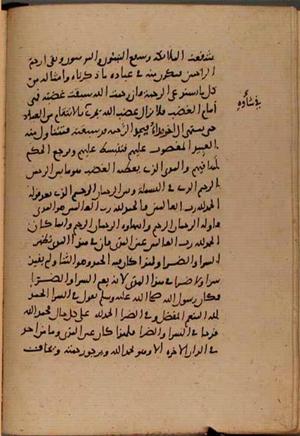
شفعت الملائكة وشفع النبيون والمؤمنون وبقي أرحم الراحمين»، فيكون منه في عباده ما ذكرناه، وأمثاله من كل ما يستدعي الرحمة.

(سبق الرحمة ومدى الغضب)

فإن رحمة الله سبقت غضبه، فهي إمام الغضب، فلا يزال غضب الله يجري في شأوه بالانتقام من العباد، حتى ينتهي إلى آخر مداه، فيجد الرحمة قد سبقته، فتتناول منه العبيد المغضوب عليهم، فتنبسط عليهم، ويرجع الحكم لها فيهم.

(الحمد بين اسمَي الرحمة)

والمدى الذي يعطيه الغضب هو ما بين ﴿الرَّحْمنِ الرَّحِيمِ﴾ [الفاتحة: ١] الذي في البسملة، وبين ﴿الرَّحْمنِ الرَّحِيمِ﴾ [الفاتحة: ٣] الذي بعد قوله: ﴿الْحَمْدُ لِلَّهِ رَبِّ الْعالَمِينَ﴾ [الفاتحة: ٢]، فالحمد لله رب العالمين هو المدى، فأوله ﴿الرَّحْمنِ الرَّحِيمِ﴾ [الفاتحة: ١]، وانتهاؤه ﴿الرَّحْمنِ الرَّحِيمِ﴾ [الفاتحة: ٣].

وإنما كان ﴿الْحَمْدُ لِلَّهِ رَبِّ الْعالَمِينَ﴾ [الفاتحة: ٢]، عين المدى، فإن في هٰذا المدى تظهر السراء والضراء، ولهٰذا كان فيه الحمد، وهو الثناء، ولم يقيد بضراء ولا سراء في هٰذا المدى، لأنه يعم السراء والضراء.

فكان رسول الله ص يقول في السراء: «الحمد لله المنعم المفضل»، وفي الضراء: «الحمد لله على كل حال»، فحمد الله قد جاء في السراء والضراء، فلهٰذا كان عين المدى.

وما من أحد في الدار الآخرة إلا وهو يحمد الله، ويرجو رحمته، ويخاف
Anglais

The angels have interceded, the prophets and believers have interceded, and the Most Merciful of the merciful remains.” From Him there thus occurs among His servants what we have mentioned, and the like of everything that calls for mercy.

(Mercy's Precedence and the Extent of Anger)

God's mercy precedes His anger and is therefore anger's leader. God's anger continually runs its course, taking vengeance upon the servants, until it reaches its furthest extent and finds that mercy has preceded it. Mercy takes from it the servants subject to anger, spreads over them, and regains the ruling over them.

(Praise between the Two Names of Mercy)

The extent afforded by anger is what lies between “the All-Merciful, the Merciful” [al-Fātiḥa 1:1] in the basmala and “the All-Merciful, the Merciful” [al-Fātiḥa 1:3] following “Praise belongs to God, Lord of the worlds” [al-Fātiḥa 1:2]. “Praise belongs to God, Lord of the worlds” is thus the extent. Its beginning is “the All-Merciful, the Merciful” [al-Fātiḥa 1:1], and its end is “the All-Merciful, the Merciful” [al-Fātiḥa 1:3].

“Praise belongs to God, Lord of the worlds” [al-Fātiḥa 1:2] is the very extent because prosperity and adversity appear within this extent. Hence praise, which is laudation, is within it. It is not restricted to adversity or prosperity in this extent, for it encompasses both.

The Messenger of God, God's blessings and peace be upon him, would say in prosperity, “Praise belongs to God, the Bestower of blessings and bounty,” and in adversity, “Praise belongs to God in every state.” Praise of God thus occurs in prosperity and adversity, and for this reason it is the very extent.

There is no one in the other abode who does not praise God, hope for His mercy, and fear

Image du manuscritVolume du manuscrit 28 · Page 115

Les textes arabe et anglais sont reliés par le même identifiant de page de Konya. La répartition est approximative ; vérifiez le manuscrit.

Référence de la source du Caire

Ibn al-Arabi, The Meccan Revelations — Volume du manuscrit 28 · Page 115 — https://www.futmak.com/francais/konya/pages.php?id=8441&text=both