
Futmak · الفتوحات المكية · Meccan Revelations

Les Futûhât al-Makkiyya

Volume du manuscrit 28 · Page 112

Manuscrit de Konya

Ouvrir la source arabeOuvrir la traduction anglaise

Arabe

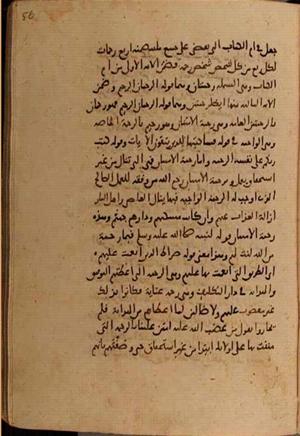
جعل في أم الكتاب التي تقضي على جميع ما يتضمنه العالم أربع رحمات، لكل ربع من كل شخص شخص رحمة.

فضمن الآية الأولى من أم الكتاب، وهي البسملة رحمتين، وهما قوله: ﴿الرَّحْمنِ الرَّحِيمِ﴾ [الفاتحة: ١]، وضمن الآية الثالثة منها أيضا رحمتين، وهما قوله: ﴿الرَّحْمنِ الرَّحِيمِ﴾ [الفاتحة: ٣].

فهو رحمن بالرحمتين العامة، وهي رحمة الامتنان، وهو رحيم بالرحمة الخاصة، وهي الواجبة في قوله: ﴿فَسَأَكْتُبُها لِلَّذِينَ يَتَّقُونَ﴾ [الأعراف: ١٥٦] الآيات وقوله: ﴿كَتَبَ رَبُّكُمْ عَلى نَفْسِهِ الرَّحْمَةَ﴾ [الأنعام: ٥٤].

وأما رحمة الامتنان فهي التي تنال من غير استحقاق بعمل، وبرحمة الامتنان رحم الله من وفقه للعمل الصالح، الذي أوجب له الرحمة الواجبة.

فبها ينال العاصي وأهل النار إزالة العذابِ عنهم، وإن كانت مسكنهم ودارهم جهنم، وهذه رحمة الامتنان قوله لنبيه ص: ﴿فَبِما رَحْمَةٍ من الله لِنْتَ لَهُمْ﴾ [آل عمران: ١٥٩].

وهٰذا معنى قوله: ﴿صِراطَ الَّذِينَ أَنْعَمْتَ عَلَيْهِمْ﴾ [الفاتحة: ٧]، أي الطريق التي أنعمت بها عليهم، وهي الرحمة التي أعطتهم التوفيق والهداية في دار التكليف، وهي رحمة عناية، فكانوا بذٰلك غير مغضوب عليهم ولا ضالين، لما أعطاهم من الهداية، فلم يحاروا.

(دعاء المغضوب عليه في تصوير المؤلف)

يقول من غضب الله عليه: امنن علينا بالرحمة التي مننت بها على أولئك، ابتداء من غير استحقاق، حتى وصفتهم بأنهم
Anglais

He placed within the Mother of the Book, which rules over everything contained within the world, four mercies, one mercy for each quarter of every individual person.

Within the first verse of the Mother of the Book, the basmala, He placed two mercies: His saying, “the All-Merciful, the Merciful” [al-Fātiḥa 1:1]. Within its third verse He also placed two mercies: His saying, “the All-Merciful, the Merciful” [al-Fātiḥa 1:3].

He is All-Merciful through the two universal mercies, the mercy of gracious bestowal; and He is Merciful through particular mercy, which is obligatory in His saying, “I shall prescribe it for those who are godfearing” [al-Aʿrāf 7:156], and the verses, and His saying, “Your Lord has prescribed mercy for Himself” [al-Anʿām 6:54].

The mercy of gracious bestowal is attained without deserving it through an action. Through the mercy of gracious bestowal God shows mercy to one whom He grants success in righteous action, which makes obligatory mercy incumbent for him.

Through it, the disobedient and the people of the Fire attain the removal of torment from them, although Gehenna remains their dwelling and abode. This mercy of gracious bestowal is His saying to His prophet, God's blessings and peace be upon him, “Through a mercy from God you were gentle with them” [Āl ʿImrān 3:159].

This is the meaning of His saying, “The path of those whom You have blessed” [al-Fātiḥa 1:7]—that is, the path with which You blessed them. It is the mercy that gave them success and guidance in the abode of responsibility, a mercy of providential care. Through it they were not subject to anger or astray, because of the guidance He gave them, so they were not bewildered.

(The Prayer of One Subject to Anger in the Author's Portrayal)

The one with whom God is angry says: Bestow upon us the mercy You bestowed upon those people, initially and without deserving it, until You described them as

Image du manuscritVolume du manuscrit 28 · Page 112

Les textes arabe et anglais sont reliés par le même identifiant de page de Konya. La répartition est approximative ; vérifiez le manuscrit.

Référence de la source du Caire

Ibn al-Arabi, The Meccan Revelations — Volume du manuscrit 28 · Page 112 — https://www.futmak.com/francais/konya/pages.php?id=8438&text=both