
Futmak · الفتوحات المكية · Meccan Revelations

Les Futûhât al-Makkiyya

Volume du manuscrit 28 · Page 108

Manuscrit de Konya

Ouvrir la source arabeOuvrir la traduction anglaise

Arabe

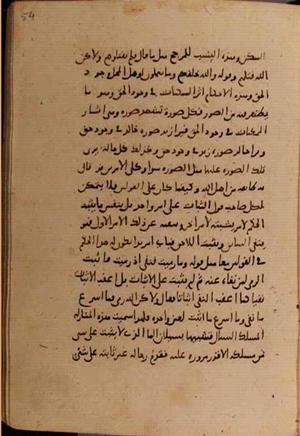
الممكن، وهذه النسب للمرجح، مثل ما قال: ﴿فَلَمْ تَقْتُلُوهُمْ ولكِنَّ الله قَتَلَهُمْ﴾ [الأنفال: ١٧] وقوله: ﴿والله خَلَقَكُمْ وما تَعْمَلُونَ﴾ [الصافات: ٩٦].

أو هل المحل وجود الحق، وهذه الأحكام أثر الممكنات في وجود الحق، وهو ما يظهر فيه من الصور؟

فكل صورة تشهد صورة، وهي آثار الممكنات في وجود الحق، فيرى زيد صورة خالد في وجود حق، ويرى خالد صورة زيد في وجود حق، وكذٰلك كل حالة يرى تلك الصورة عليها، مثل الصورة سواء.

وكلا الأمرين قد قال به طائفة من أهل الله، وكيفما كان على القولين، فلا يتمكن لكل صاحب قول الثبات على أمر واحد، بل بنفس ما يثبت الحكم لأمر يثبته لأمر آخر، وينفيه عن ذٰلك الأمر الأول، فهو ينفي السابق، ويثبت اللاحق.

(تعاقب النفي والإثبات)

فبأي أمر بدأ، يكون له هٰذا الحكم في القولين معا، مثل قوله: ﴿وما رَمَيْتَ﴾، فنفى ﴿إِذْ رَمَيْتَ﴾ [الأنفال: ١٧]، فأثبت الرمي لمن نفاه عنه.

ثم لم يثبت على الإثبات، بل أعقب الإثبات نفيا، كما أعقب النفي إثباتا فقال: ﴿ولكِنَّ الله رَمى﴾ [الأنفال: ١٧].

فما أسرع ما نفى، وما أسرع ما أثبت، لعين واحدة.

فلهٰذا سميت هذه المنازلة المسلك السيال، تشبيها بسيلان الماء الذي لا يثبت على شيء من مسلكه، إلا قدر مروره عليه، فقدم رجاله غير ثابتة على شيء
Anglais

of the possible being, with these relations belonging to the giver of preponderance, as in His saying, “You did not kill them, but God killed them” [al-Anfāl 8:17], and, “God created you and what you do” [al-Ṣāffāt 37:96]?

Or is the locus the Real's existence, with these rulings being the effect of possible beings within the Real's existence, namely the forms that appear within Him?

Every form witnesses a form, these being the effects of possible beings within the Real's existence. Zayd sees Khālid's form within real existence, and Khālid sees Zayd's form within real existence. Likewise, every state in which he sees that form is just like the form itself.

Each of the two positions has been held by a group among the people of God. Whichever of the two positions is taken, no holder of either can remain firm upon one affair. In the very act of establishing a ruling for one affair, he establishes it for another and denies it of the first. He denies what preceded and affirms what follows.

(The Succession of Negation and Affirmation)

Whichever affair he begins with, this ruling belongs to him in both positions. It is like His saying, “You did not throw,” negating, then, “when you threw” [al-Anfāl 8:17], affirming the throwing of the one from whom He denied it.

Then He did not remain firm upon affirmation. He followed affirmation with negation, as He had followed negation with affirmation, saying, “But God threw” [al-Anfāl 8:17].

How swiftly He denied, and how swiftly He affirmed, concerning a single entity!

For this reason this mutual encounter is named the Flowing Path, likened to the flowing of water, which remains upon nothing in its course except for the measure of its passage over it. The feet of its men remain firm upon nothing

Image du manuscritVolume du manuscrit 28 · Page 108

Les textes arabe et anglais sont reliés par le même identifiant de page de Konya. La répartition est approximative ; vérifiez le manuscrit.

Référence de la source du Caire

Ibn al-Arabi, The Meccan Revelations — Volume du manuscrit 28 · Page 108 — https://www.futmak.com/francais/konya/pages.php?id=8434&text=both