
Futmak · الفتوحات المكية · Meccan Revelations

Les Futûhât al-Makkiyya

Volume du manuscrit 26 · Page 292

Manuscrit de Konya

Ouvrir la source arabeOuvrir la traduction anglaise

Arabe

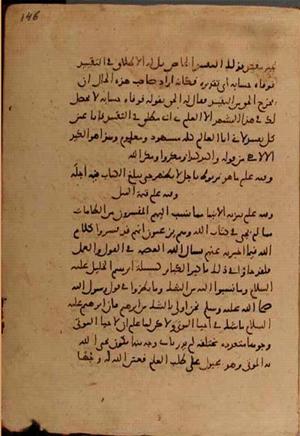
غير مقيد بذٰلك التقييد الخاص، بل له الإطلاق في التقييد.

﴿فَوَفَّاهُ حِسابَهُ﴾ [النور: ٣٩]؛ أي تقديره. فكأنه أراد صاحب هذه الحال أن يخرج الحق من التقييد.

فقال له الحق بقوله ﴿فَوَفَّاهُ حِسابَهُ﴾: «لا يحصل لك في هٰذا المشهد إلا العلم بي أني مطلق في التقييد؛ فأنا عين كل تقييد لأني أنا العالم كله مشهود ومعلوم».

وهٰذا هو الكيد الإلهي من قوله: ﴿وأَكِيدُ كَيْداً﴾ [الطارق: ١٦] ﴿ومَكَرُوا ومَكَرَ الله﴾ [آل عمران: ٥٤].

وفيه علم ما هو مربوط بأجل، لا يظهر حتى يبلغ الكتاب فيه أجله. وفيه علم قيمة المثل.

(تنزيه الأنبياء وأخبار التفسير)

وفيه علم تنزيه الأنبياء مما ينسب إليهم المفسرون من الطامات مما لم يجيء في كتاب الله، وهم يزعمون أنهم قد فسروا كلام الله فيما أخبر به عنهم.

نسأل الله العصمة في القول والعمل؛ فلقد جاءوا في ذٰلك بأكبر الكبائر، كمسألة إبراهيم الخليل ع وما نسبوا إليه من الشك. وما نظروا في قول رسول الله ص: «نحن أولى بالشك من إبراهيم».

(سؤال إبراهيم عن كيفية الإحياء)

فإن إبراهيم ع ما شك في إحياء الموتى، ولكن لما علم أن لإحياء الموتى وجوها متعددة[61] مختلفة، لم يدر بأي وجه منها يكون يحيي الله به الموتى وهو مجبول على طلب العلم؛ فعين الله له وجها

Notes

[61]

(صُوِّب «وجودها» إلى «وجوها» بمقابلة الطبعة الجديدة.)
Anglais

unrestricted by that particular delimitation. Rather, His is unrestrictedness in delimitation.

“And He paid him his reckoning in full” [al-Nur 24:39], meaning his measuring out. It is as though the person in this state wished to remove the Real from delimitation.

Through His saying, “And He paid him his reckoning in full,” the Real said to him, “In this witnessing you attain only the knowledge of Me that I am unrestricted in delimitation. I am the very entity of every delimitation, for I am the entire world, witnessed and known.”

This is the divine devising expressed in His saying, “And I devise a device” [al-Tariq 86:16], and “They plotted, and God plotted” [Al ʿImran 3:54].

It contains the knowledge of what is bound to a term and does not appear until the decree concerning it reaches its appointed term. It contains the knowledge of the value of a likeness.

(Clearing the Prophets of Fault and the Reports in Qur’anic Commentary)

It contains the knowledge of clearing the prophets of the outrageous things that commentators attribute to them, things not found in God’s Book, although they claim to have explained God’s words concerning what He has related about them.

We ask God for protection in word and deed. In this they have committed the gravest of major sins, as in the case of Abraham the Friend, peace be upon him, and the doubt they have attributed to him. They have not considered the saying of the Messenger of God, God’s blessings and peace be upon him, “We have more right to doubt than Abraham.”

(Abraham’s Question about How Life Is Restored)

For Abraham, peace be upon him, did not doubt the bringing of the dead to life. Rather, knowing that there are numerous, differing ways[61] of bringing the dead to life, he did not know by which of these God would bring the dead to life. He was naturally disposed to seek knowledge, so God specified for him one

Notes

[61]

(“Its existence” was corrected to “ways” by comparison with the new edition.)

Image du manuscritVolume du manuscrit 26 · Page 292

Les textes arabe et anglais sont reliés par le même identifiant de page de Konya. La répartition est approximative ; vérifiez le manuscrit.

Référence de la source du Caire

Ibn al-Arabi, The Meccan Revelations — Volume du manuscrit 26 · Page 292 — https://www.futmak.com/francais/konya/pages.php?id=8040&text=both