
Futmak · الفتوحات المكية · Meccan Revelations

Les Futûhât al-Makkiyya

Volume du manuscrit 23 · Page 4

Manuscrit de Konya

Ouvrir la source arabeOuvrir la traduction anglaise

Arabe

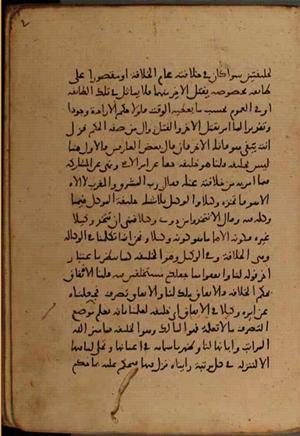
لخليفتين، سواء كان في خلافته عام الخلافة أو مقصورا على طائفة مخصوصة، يقتل الآخر منهما، فلا يُماثَل في تلك الطائفة أو في العموم بحسب ما يعطيه الوقت. فلو لا حكم الإرادة وجودا وتقديرا لما أمر بقتل الآخر. والقتل زوال من صفة الحكم، فزل أنت يبقى هو، فإنك الآخر[1].

(الخلافة والوكالة)

فإن قال بعض العارفين: فالأول هنا ليس بخليفة، قلنا: هو خليفة حقا عن أمر إلهي، ونهي عن المشاركة فيما أمر به من خلافته عنك. فقال: ﴿رَبُّ الْمَشْرِقِ والْمَغْرِبِ لا إِلهَ إِلَّا هُوَ فَاتَّخِذْهُ وَكِيلًا﴾ [المزمل: 9]، والوكيل بلا شك خليفة الموكل فيما وكله فيه. وقال: ﴿أَلَّا تَتَّخِذُوا من دُونِي وَكِيلًا﴾ [الإسراء: 2]، فنهى أن تتخذ وكيلا غيره.

فكونه إلها ما هو كونه وكيلا، ونحن إنما تكلمنا في الوكالة وهي الخلافة، وفي الوكيل وهو الخليفة. كما ننظر باعتبار آخر قوله لنا: ﴿وأَنْفِقُوا مِمَّا جَعَلَكُمْ مُسْتَخْلَفِينَ فِيهِ﴾ [الحديد: 7]، فلنا الإنفاق بحكم الخلافة، فالإنفاق ملك لنا، والإنفاق تصرف؛ فجعلناه عن أمره وكيلا في الإنفاق، أي خليفة، لعلمنا بأنه يعلم من موضع التصرف ما لا نعلمه، فهو المالك وهو الخليفة.

(العلم بالله من تعريفه)

فما ميز الله المراتب وأبانها لنا، وظهر بأسمائه في أعيانها وتجلى لنا فيها، إلا لننزله في كل مرتبة رأيناه نزل فيها، فنحكم عليه بما حكم

Notes

[1]

(ينقل المؤلف هنا معنى زوال الحكم إلى اعتبار العبد ونسبته إلى الحق؛ وتتمة الشرح في الوكالة والخلافة تبين جهة هذا الانتقال.)
Anglais

to two vicegerents, whether a vicegerent's authority is universal or restricted to a particular group, the latter of the two is killed. Thus he is not matched within that group, or universally, according to what the time requires. Were it not for the ruling of will, in existence and in determination, He would not have commanded the killing of the latter. Killing is removal from the attribute of ruling. Remove yourself, then, and He remains, for you are the latter[1].

(Vicegerency and Agency)

If one of the gnostics says, ‘The first here is not a vicegerent,’ we say: He truly is a vicegerent through a divine command, and there is a prohibition against sharing in what He was commanded concerning His acting as vicegerent on your behalf. For He said, ‘Lord of the East and the West: there is no god but He, so take Him as an agent’ [al-Muzzammil 73:9]. The agent is unquestionably the vicegerent of the principal in what he has entrusted to him. He said, ‘Do not take any agent apart from Me’ [al-Israʾ 17:2], thus prohibiting your taking another agent.

His being a god is not His being an agent. We have been speaking only about agency, which is vicegerency, and about the agent, who is the vicegerent. Likewise, under another consideration, we examine His saying to us, ‘Spend of that over which He has made you vicegerents’ [al-Hadid 57:7]. Spending belongs to us by virtue of vicegerency: it is our possession, and spending is a disposition. At His command, we therefore made Him an agent in spending, that is, a vicegerent, knowing that He knows of the proper place of disposition what we do not. He is thus the Owner and the Vicegerent.

(Knowledge of God through His Making Himself Known)

God distinguished the ranks, made them clear to us, appeared through His Names in their entities, and disclosed Himself to us within them only so that we might place Him within every rank in which we saw Him alight. We thus judge concerning Him through what He judged

Notes

[1]

(The author here transfers the meaning of removal from ruling to the consideration of the servant and his relation to the Real. The continuation of the explanation concerning agency and vicegerency makes clear the direction of this transfer.)

Image du manuscritVolume du manuscrit 23 · Page 4

Les textes arabe et anglais sont reliés par le même identifiant de page de Konya. La répartition est approximative ; vérifiez le manuscrit.

Référence de la source du Caire

Ibn al-Arabi, The Meccan Revelations — Volume du manuscrit 23 · Page 4 — https://www.futmak.com/francais/konya/pages.php?id=6838&text=both