
Futmak · الفتوحات المكية · Meccan Revelations

Les Futûhât al-Makkiyya

Volume du manuscrit 3 · Page 36

Manuscrit de Konya

Ouvrir la source arabeOuvrir la traduction anglaise

Arabe

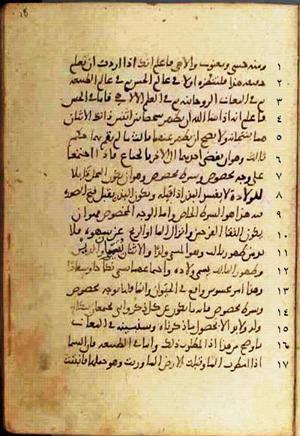
ومنه حسي ومعنوي والإلهي. فاعلم أنك إذا أردت أن تعلم حقيقة هٰذا فلتنظره أولا في عالم الحس، ثم في عالم الطبيعة، ثم في المعاني الروحانية، ثم في العلم إلهي.

فأما في الحس فاعلم أنه إذا شاء الله أن يظهر شخصا بين اثنين، ذانك الاثنان هما ينتجانه، ولا يصح أن يظهر عنهما ثالث ما لم يقم بهما حكم ثالث، وهو أن يفضي أحدهما إلى الآخر بالجماع.

فإذا اجتمعا على وجه مخصوص وشرط مخصوص، وهو أن يكون المحل قابلا للولادة لا يفسد البذر إذا قبله، ويكون البذر يقبل فتح الصورة فيه، هٰذا هو الشرط الخاص، وأما الوجه المخصوص فهو أن يكون التقاء الفرجين وإنزال الماء أو الريح عن شهوة، فلا بد من ظهور ثالث وهو المسمى ولدا.

والاثنان يسميان والدين، وظهور الثالث يسمى ولادة، واجتماعهما يسمى نكاحا وسِفادا. وهٰذا أمر محسوس واقع في الحيوان. وإنما قلنا بوجه مخصوص وشرط مخصوص فإنه ما يكون عن كل ذكر وأنثى يجتمعان بنكاح ولد ولا بد إلا بحصول ما ذكرناه، وسنبينه في المعاني بأوضح من هٰذا، إذ المطلوب ذٰلك.

وأما في الطبيعة فإن السماء إذا أمطرت الماء وقبلت الأرض الماء و﴿رَبَتْ﴾، وهو حملها، و﴿أَنْبَتَتْ
Anglais

including the sensible, the intelligible, and the divine. Know that if you wish to understand its reality, you should consider it first in the sensible world, then in the world of Nature, then in spiritual meanings, and then in divine knowledge.

In the sensible world, know that when God wills to manifest an individual between two, those two are the ones who produce that individual. A third cannot appear from them unless a third determining relation is established in them: that one comes to the other in sexual intercourse.

When they unite in a particular manner and under a particular condition—the receptive locus must admit childbirth and must not spoil the seed upon receiving it, while the seed must admit the unfolding of form within it; this is the particular condition—the particular manner is the meeting of the sexual organs and the emission of fluid or wind through desire. A third must then appear, and it is called a child.

The two are called parents; the appearance of the third is called birth; and their union is called marriage and mating. This is a sensible occurrence among animals. We specified a particular manner and condition because a child does not necessarily result from every male and female who unite in mating, unless what we have mentioned is present. We shall explain this more clearly in the realm of meanings, since that is our purpose.

As for Nature: when the sky rains water, the earth receives the water and “swells”—which is its pregnancy—and “brings forth—

Notes

Translator’s note TN678-1: “Fluid or wind” translates the supplied wording literally. It belongs to the author’s account of generation; the translation does not replace it with a modern physiological explanation.

Image du manuscritVolume du manuscrit 3 · Page 36

Les textes arabe et anglais sont reliés par le même identifiant de page de Konya. La répartition est approximative ; vérifiez le manuscrit.

Référence de la source du Caire

Ibn al-Arabi, The Meccan Revelations — Volume du manuscrit 3 · Page 36 — https://www.futmak.com/francais/konya/pages.php?id=678&text=both