
Futmak · الفتوحات المكية · Meccan Revelations

Les Futûhât al-Makkiyya

Volume du manuscrit 22 · Page 26

Manuscrit de Konya

Ouvrir la source arabeOuvrir la traduction anglaise

Arabe

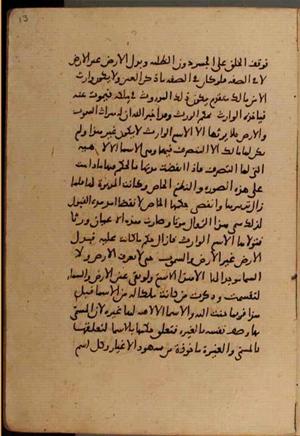
فوقف الخلق على الجسر دون الظلمة وبدل الأرض غير الأرض، لا في الصفة؛ فلو كان في الصفة ما ذكر العين.

ولا يكون وارث إلا من مالك متقدم يكون ذٰلك الموروث في ملكه، فيموت عنه، فيأخذه الوارث بحكم الورث.

وقد أخبر الله أن له ﴿مِيراثُ السَّماواتِ والْأَرْضِ﴾ [آل عمران: 180]، فلا يرثها إلا الاسم الوارث، لا يكون غير هٰذا ولم يكن لها مالك إلا المتصرف فيها، وهي الأسماء الإلهية التي لها التصرف.

فإذا انقضت مدتها بالحكم فيها ما دامت على هذه الصورة والنظم الخاص وكانت المدبرة لها فلما زال تدبيرها وانقضى حكمها الخاص لانقضاء أمد مدة القبول لذٰلك، سمي هٰذا الزوال موتا، وصارت هذه الأعيان ورثا، فتولاها الاسم الوارث، فأزال حكم ما كانت عليه؛ فبدل الأرض غير الأرض والسماوات حتى لا تعرف الأرض ولا السماء موجدا لها إلا هٰذا الاسم.

ولو بقي عين الأرض والسماء، لتقسمت وذكرت من كانت ملكا له من الأسماء قبل هٰذا، فربما حنت إليه.

والأسماء الإلهية لها غيرة؛ لأن المسمى بها وصف نفسه بالغيرة، فتعلق حكمها بالأسماء لتعلقها بالمسمى. والغيرة مأخوذة من شهود الأغيار؛ وكل
Anglais

creation stands upon the bridge on this side of the darkness, and He changes the earth to other than the earth—not in attribute. Had it been in attribute, He would not have mentioned the entity.

There is no inheritor without a previous owner in whose possession the inherited thing was. He dies leaving it behind, and the inheritor takes it by the ruling of inheritance.

God has reported that His is “the inheritance of the heavens and the earth” [Al ʿImran 3:180]. Only the name the Inheritor inherits them; it cannot be otherwise. They had no owner except what disposed of them: the divine names possessing the power to dispose.

When the names’ period of ruling them expires—as long as they have this particular form and order, the names govern them—and when their governance ceases and their particular ruling ends because the period of receptivity to it has reached its limit, this cessation is called death. These entities become an inheritance, and the name the Inheritor takes charge of them, removing the ruling of their former condition. He changes the earth to other than the earth, and the heavens, so that neither earth nor heaven knows any giver of its existence except this name.

Had the very entity of earth and heaven remained, it would have been divided and would have remembered the names to which it had previously belonged, perhaps yearning toward a former owner.

The divine names possess jealousy, for the One named by them has described Himself as jealous. Its ruling attaches to the names because it attaches to the One named. Jealousy derives from witnessing others; and every

Image du manuscritVolume du manuscrit 22 · Page 26

Les textes arabe et anglais sont reliés par le même identifiant de page de Konya. La répartition est approximative ; vérifiez le manuscrit.

Référence de la source du Caire

Ibn al-Arabi, The Meccan Revelations — Volume du manuscrit 22 · Page 26 — https://www.futmak.com/francais/konya/pages.php?id=6558&text=both