
Futmak · الفتوحات المكية · Meccan Revelations

Les Futûhât al-Makkiyya

Volume du manuscrit 22 · Page 21

Manuscrit de Konya

Ouvrir la source arabeOuvrir la traduction anglaise

Arabe

بالظلمة يكون الجهل في حكمه.

قال تعالى: ﴿أَ ومن كانَ مَيْتاً فَأَحْيَيْناهُ﴾ [الأنعام: 122]، فقد وصفه بالموت ثم بالحياة لمن أحياه. ثم قال: ﴿وجَعَلْنا لَهُ نُوراً﴾، به يشهده؛ فليس مثله ﴿كَمَنْ مَثَلُهُ في الظُّلُماتِ﴾، وإن كان حيا وهو الحي، يعلم الغيب في الغيب الذي يحكم عليه به الاسم الباطن. فإن لم يكن حيا يعلم، فتلك الظلمة المحضة والعدم الخالص. ولله سبحانه الاقتدار على كل ما ذكرناه.

(البسملة وتتويج السور بالرحمة)

أخبرني الوارد، والشاهد يشهد له بصدقه مني، بعد أن جعلني في ذٰلك على بينة من ربي بشهودي إياه لما ألقاه من الوجود في قلبي، إن اختصاص البسملة في أول كل سورة تتويج الرحمة الإلهية في منشور تلك الصورة؛ إنها تنال كل مذكور فيها. فإنها علامة الله على كل صورة إنها منه، كعلامة السلطان على مناشيره.

فقلت للوارد: «فسورة التوبة عندكم؟» فقال: «هي والأنفال سورة واحدة، قسمها الحق على فصلين». فإن فصلها وحكم بالفصل، فقد سماها بسورة التوبة، أي سورة الرجعة الإلهية بالرحمة على من غضب عليه من العباد؛ فما هو غضب أبد، لكنه غضب أمد.

والله هو التواب؛ فما قرن بالتواب إلا الرحيم، ليؤول المغضوب عليه إلى الرحمة، أو الحكيم لضرب المدة في الغضب وحكمها فيه إلى أجل، فترجع عليه بعد انقضاء المدة
Anglais

in darkness ignorance has its ruling.

He, exalted is He, said, “One who was dead and We brought him to life” [al-Anʿam 6:122], describing him by death then life for the one He brings to life. He then said, “And We gave him a light,” through which he witnesses Him. He is not like “one whose likeness is within darkness,” though alive—and he is the living one—knowing the unseen within the unseen in which the name the Hidden rules him. If not alive and knowing, that is sheer darkness and pure nonexistence. God, glorified is He, has power over all we mentioned.

(The Basmala and Crowning the Surahs with Mercy)

The incoming influence informed me, with a witness within me testifying to its truthfulness, after placing me upon clear proof from my Lord through my witnessing Him concerning what it cast of existence within my heart: the basmala’s particular place at every surah’s beginning crowns the proclamation of that form with divine mercy, reaching everyone mentioned within it. It is God’s mark upon every form that it comes from Him, like a ruler’s mark upon his proclamations.

I asked the incoming influence, “What of the surah of Repentance with you?” It replied, “It and al-Anfal are one surah, divided by the Real into two sections.” If He separates it and judges it separate, He named it the surah of Repentance: the surah of divine turning with mercy toward servants under wrath. It is not wrath for endless eternity, but wrath for a term.

God is the Ever-Returning. He joins to the Ever-Returning only the Most Merciful, so the one under wrath ultimately returns to mercy, or the Wise, for assigning wrath’s duration and its ruling within it until a term. After the duration ends, He turns toward him

Notes

Translator’s note TN6553-1: The living one, knowing, and the rule of the name the Hidden occur in a compressed pronominal sequence. The references are left close to the source without imposing a new identification for the living subject. The subsequent account is explicitly the author’s report of an incoming influence.

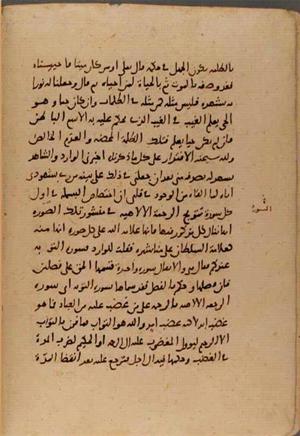
Image du manuscritVolume du manuscrit 22 · Page 21

Les textes arabe et anglais sont reliés par le même identifiant de page de Konya. La répartition est approximative ; vérifiez le manuscrit.

Référence de la source du Caire

Ibn al-Arabi, The Meccan Revelations — Volume du manuscrit 22 · Page 21 — https://www.futmak.com/francais/konya/pages.php?id=6553&text=both