Les Futûhât al-Makkiyya

Volume du manuscrit 2 · Page 292

Manuscrit de Konya

Ouvrir la source arabeOuvrir la traduction anglaise

Arabe

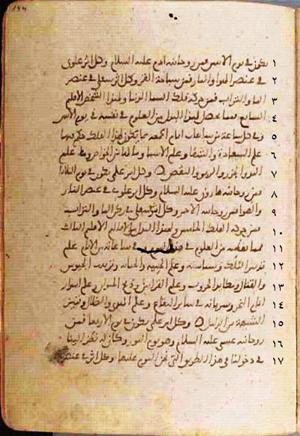
‏‏ ‏‏ ‏‏ ‏‏ ‏‏﴾ [النحل: ٤٣]، ولا يَسأل إلاَّ المولود، فإنَّهُ في مقام الطُّفولة من الطَّفَل، وهو النَّدَى. قال تعالى (في سورة النَّحل [78]): ﴿‏‏ ‏‏ ‏‏ ‏‏ ‏‏ ‏‏ ‏‏﴾ [النحل: ٧٨]، فلا يعلم حتى يسأل؛ فالوَلَدُ في المرتبة الخامسة لأنَّ أمَّهاتَهُ أربع وهنَّ الأركان، فكان هو العَيْنُ الخامسة، فلهٰذا كان السُّؤال هجيرَ البدل الخامس من بين الأبدال.

(البدل السَّادس)

وأما مقام السَّادس فهجيره: ﴿‏‏ ‏‏ ‏‏ ‏‏﴾ [غافر: ٤٤] (كما ورد في سورة غافر)، وهي المرتبة السَّادسة فكانت للسَّادس، وإنما كانت السَّادسة لأنّه في المرتبة الخامسة - كما ذكرنا- يَسأل، وقد كان لا يَعلم؛ فعندما سأل عَلِم، ولَمّا علم تحقّق بعلمه بربّه، ففوّض أمره إليه لأنَّهُ عَلِمَ أنَّ أمره ليس بيده منه شيءٌ، وأنَّ الله يفعل ما يريد، فقال: «قد علِمْتُ أنَّ الله لَمَّا ملَّكني أمري، وهو يفعل ما يريد، علِمْتُ أنَّ التَّفويض في ذٰلك أرجح لي، فلذلك أتَّخِذْهُ هجيراً».

(البدل السَّابع)

ومقام السَّابع (قول الله تعالى في سورة الأحزاب [72]): ﴿‏‏ ‏‏ ‏‏﴾ [الأحزاب: ٧٢]، وذٰلك أنَّ لها (أي الأمانة) الرُّتبة السَّابعة، وكان أيضاً تكوين آدم، المعبَّر عنه بالإنسان، في الرُّتبة السَّابعة، فإنّه (صادر) عن عقل ثمّ نفس ثمّ هباء ثمّ فلك ثمّ فاعلَين (النار والهواء) ثمّ منفعلين (الأرض والماء)، فهذه ستّة، ثمّ تكوّن الإنسان، الذي هو آدم، في الرتبة السابعة ولما كان وجود الإنسان في (برج) السُّنبلة (وهو برج العذراء) ولها من الزَّمان في الولاية سبعة آلاف سنة، فوُجد الإنسان في الرُّتبة السَّابعة من المدّة.
Anglais

“[Quotation absent from the supplied text]” [al-Nahl 16:43]. Only the offspring asks, for he is in the station of childhood, ṭufūlah, from ṭafal, meaning dew. God Most High says in Surat al-Nahl [78]: “[Quotation absent from the supplied text]” [al-Nahl 16:78]. He does not know until he asks. The child is in the fifth rank because his mothers are four—the elements—so he is the fifth entity. For this reason questioning is the constant litany of the fifth Substitute among the Substitutes.

(The Sixth Substitute)

As for the sixth one’s station, his constant litany is: “[Quotation absent from the supplied text]” [Ghafir 40:44], as found in Surat Ghafir. This is the sixth rank and therefore belongs to the sixth. It is sixth because, in the fifth rank, as we mentioned, he asks after previously not knowing. When he asks, he knows; and when he knows, he becomes firmly realized in his knowledge of his Lord. He entrusts his affair to Him, because he knows that none of his affair is in his own hands and that God does whatever He wills. He says: “I have come to know: since God has given me control of my affair, while He does whatever He wills, I know that entrusting it to Him is more advantageous for me. For this reason I make it my constant litany.”

(The Seventh Substitute)

The seventh one’s station is God Most High’s saying in Surat al-Ahzab [72]: “[Quotation absent from the supplied text]” [al-Ahzab 33:72]. This is because it (that is, the Trust) has the seventh rank. The formation of Adam, expressed by the term “the human being,” was likewise in the seventh rank. He (issues) from an intellect, then a soul, then Dust, then a sphere, then two active elements (fire and air), then two receptive elements (earth and water): these are six. The human being, Adam, was then formed in the seventh rank. Since the human being came into existence in the sign of the Ear of Grain (that is, Virgo), whose period of governance is seven thousand years, the human being came into existence in the seventh rank of the duration.

Notes

Translator’s note TN612-1: The author links ṭufūlah, “childhood,” with ṭafal, “dew”; the connection is part of his explanation of the fifth rank. In counting the six stages before the human being, he treats the pair of active elements as one stage and the pair of receptive elements as another.

Image du manuscritVolume du manuscrit 2 · Page 292

Les textes arabe et anglais sont reliés par le même identifiant de page de Konya. La répartition est approximative ; vérifiez le manuscrit.

Référence de la source du Caire

Ibn al-Arabi, The Meccan Revelations — Volume du manuscrit 2 · Page 292 — https://www.futmak.com/francais/konya/pages.php?id=612&text=both