Les Futûhât al-Makkiyya

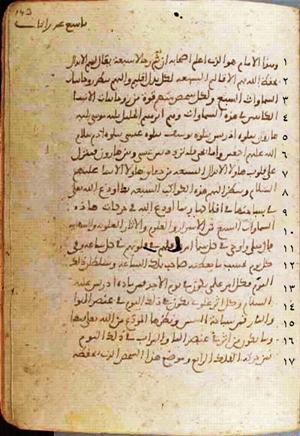
Volume du manuscrit 2 · Page 290

Manuscrit de Konya

Ouvrir la source arabeOuvrir la traduction anglaise

Arabe

هي الأمر الإلهٰي الَّذي يتنَزَّل بين السَّماء والأرض، وهو في كلِّ ما يتولَّدُ بينهما، بين السَّماء بما ينْزِل منها وبين الأرض بما تقبل من هٰذا النُّزُول[119] كما يقبل رحِمُ الأُنثى الماء (أي المني) من الرَّجل للتَّكوين، والهواء الرَّطب من الطَّير،[120] قال تعالى (في سورة الطَّلاق): ﴿‏‏ ‏‏ ‏‏ ‏‏ ‏‏ ‏‏ ‏‏ ‏‏ ‏‏ ‏‏ ‏‏ ‏‏ ‏‏ ‏‏ ‏‏ ‏‏ ...‏‏﴾ [الطلاق: ١٢]. والقُدرة ما لَها تعلُّقٌ إلاَّ بالإيجاد (لِما هو معدوم)، فعلِمْنَا أنَّ المقصود بهٰذا التَّنَزُّلِ إنما هو التَّكوين.

وممَّا يحصل له من العلوم في هٰذا اليوم وفي ساعاته من الأيَّام: علمُ التَّصوير من حضرة الجمال والأنس، وعلمُ الأحوال.

(يوم السَّبت)

وكلُّ أمرٍ علميٍّ يكون في يوم السَّبت لهٰذا البدل الَّذي له حفظ الإقليم الأوَّل فمن روحانيَّة إبراهيم الخليل عليه السَّلام، وما يكون فيه من أثرٍ علويٍّ في ركن النَّار والهواء فمن حركة كوكب كيوان (وهو زحل) في فَلَكه، وما كان من أثرٍ في العالَم السُّفليِّ، ركن الأرض (أي التُّراب) والماء، فمن حركة فلكه.

يقول تعالى (في سورة يس) في الكواكب السيَّارة: ﴿‏‏ ‏‏ ‏‏ ‏‏﴾ [الأنبياء: ٣٣]، وقال تعالى (في سورة النَّحل): ﴿‏‏ ‏‏ ‏‏ ‏‏﴾ [النحل: ١٦]، فخلقها للاهتداء بها.

وممَّا يحصل له من العلوم في هٰذا اليوم وفي ساعاته من باقي الأيَّام ليلاً ونهاراً: علمُ الثَّبات والتَّمكين، وعلمُ الدَّوام والبقاء.

(مقامات الأبدال وهجيراتهم)

وأعلمَ هٰذا الإمام (مداوي الكلوم) بمقامات هٰؤلاء الأبدال وهِجِّيراهم، وقال إنَّ:

(البدل الأوَّل)

مقام الأوَّل وهجيره (قوله تعالى من سورة الشُّورى [11]): ﴿‏‏ ‏‏ ‏‏﴾ [الشورى: ١١]، وسبب ذٰلك كون الأوَّليَّة له،

Notes

[119]

وفي ذٰلك إشارة إلى قوله تعالى في سورة الحديد: ﴿‏‏ ‏‏ ‏‏ ‏‏ ‏‏ ‏‏ ‏‏ ‏‏ ‏‏ ‏‏ ‏‏ ‏‏ ‏‏ ‏‏ ‏‏ ‏‏ ‏‏ ‏‏ ‏‏ ‏‏ ‏‏ ‏‏ ‏‏ ‏‏ ‏‏ ‏‏ ‏‏ ‏‏ ‏‏ ‏‏ ‏‏ ‏‏ ‏‏ ‏‏ ‏‏ ‏‏ ‏‏ ‏‏ ‏‏ ‏‏﴾.

[120]

في هٰذا إشارة إلى أنَّ الطير لا مني سائل؟؟؟
Anglais

are the divine command that descends between heaven and earth. It is present in everything generated between them: between heaven through what descends from it, and earth through what it receives of this descent,[119] just as a female’s womb receives the fluid (that is, semen) from the male for formation, and moist air from a bird.[120] God Most High says in Surat al-Talaq: “[Quotation absent from the supplied text]” [al-Talaq 65:12]. Power relates only to bringing into existence (what is nonexistent), so we know that the purpose of this descent is formation.

Among the sciences he acquires on this day and during its hours within the other days are the science of giving form from the Presence of Beauty and Intimacy, and the science of states.

(Saturday)

Every matter of knowledge arising on Saturday for this Substitute, who preserves the first region, comes from the spiritual influence of Abraham, the Friend, peace be upon him. Every higher effect arising in the elements of fire and air comes from the movement of the planet Kaywan (that is, Saturn) in its sphere. Every effect in the lower world, in the elements of the ground (that is, earth) and water, comes from the movement of its sphere.

God Most High says in Surat Ya Sin concerning the wandering planets: “[Quotation absent from the supplied text]” [al-Anbiyaʾ 21:33]. He says in Surat al-Nahl: “[Quotation absent from the supplied text]” [al-Nahl 16:16]. He created them so that guidance might be found through them.

Among the sciences he acquires on this day and during its hours within the remaining days, by night and by day, are the science of fixity and stability, and the science of permanence and subsistence.

(The Stations of the Substitutes and Their Constant Litanies)

This imam (the Healer of Wounds) made known the stations and constant litanies of these Substitutes, and said:

(The First Substitute)

The first one’s station and constant litany are His saying in Surat al-Shura [11]: “[Quotation absent from the supplied text]” [al-Shura 42:11]. The reason is that firstness belongs to him—

Notes

[119]

This alludes to His saying in Surat al-Hadid: “[Quotation absent from the supplied text].”

[120]

Does this indicate that birds have no liquid semen???

Translator’s note TN610-1: The passage names Surat Ya Sin but gives the bracketed reference al-Anbiyaʾ 21:33; both are retained. The quotation in note 119 is absent, and note 120 retains the source editor’s tentative question. “Constant litany” renders hijjīr, a recurring utterance of remembrance associated here with each Substitute’s station.

Image du manuscritVolume du manuscrit 2 · Page 290

Les textes arabe et anglais sont reliés par le même identifiant de page de Konya. La répartition est approximative ; vérifiez le manuscrit.

Référence de la source du Caire

Ibn al-Arabi, The Meccan Revelations — Volume du manuscrit 2 · Page 290 — https://www.futmak.com/francais/konya/pages.php?id=610&text=both