Les Futûhât al-Makkiyya

Volume du manuscrit 20 · Page 159

Manuscrit de Konya

Ouvrir la source arabeOuvrir la traduction anglaise

Arabe

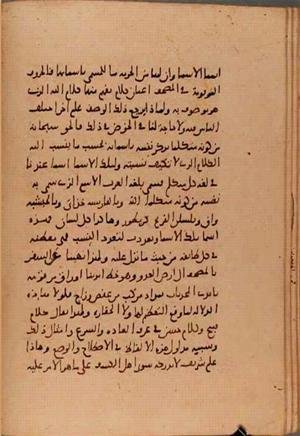
أسماء الأسماء وأن لها من الحرمة ما للمسمى بأسمائها، فالحروف المرقومة في المصحف أعيان كلام يفهم منها كلام الله الذي هو موصوف به. ولماذا يرجع ذٰلك الوصف؟ علم آخر، اختلف الناس فيه، ولا حاجة لنا في الخوض في ذٰلك.

فالحق سبحانه، من كونه متكلما، يذكر نفسه بأسمائه بحسب ما ينسب إليه الكلام الذي لا تُكيَّف نسبته[20]، ولتلك الأسماء أسماء عندنا في لغة كل متكلم.

فسمي بلغة العرب الاسم الذي سمى به نفسه من كونه متكلما: الله، وبالفارسية: خداي، وبالحبشية: واق، وبلسان الفرنج: كريطور، وهكذا بكل لسان.

فهذه أسماء تلك الأسماء، وتعددت لتعدد النسب، فهي معظمة في كل طائفة من حيث ما تدل عليه؛ ولهٰذا نهينا عن السفر بالمصحف إلى أرض العدو، وهو خط أيدينا، أوراق مرقومة بأيدي المحدثات بمداد مركب من عفص وزاج؛ فلولا هذه الدلالة لما وقع التعظيم لها ولا الحقارة.

ولهٰذا يقال: كلام قبيح وكلام حسن في عرف العادة وفي عرف الشرع وأمثال ذٰلك، وسببه مدلول هذه الألفاظ في الاصطلاح والوضع وهٰذا علم شريف، لا يدركه سوى أهل الكشف على ما هو الأمر عليه؛

Notes

[20]

(صححت العبارة إلى «لا تُكيَّف نسبته» كما في الطبعة المقابلة، بدل «لا تكليف نسبته» في الملف السابق.)
Anglais

names of names, which have the inviolability belonging to what is named through their names. The letters inscribed within the written Qurʾan are entities of speech from which God’s speech, by which He is described, is understood. To what does that description return? This is another science, concerning which people differ, and we have no need to enter it.

Insofar as He speaks, the Real, glorified is He, mentions Himself through His names according to how speech is ascribed to Him, a relation to which no how is assigned[20]. Those names have names among us in every speaker’s language.

In Arabic the name through which He named Himself insofar as He speaks is called Allah; in Persian, Khuday; in Abyssinian, Waq; in the Franks’ tongue, Kriṭur. So it is in every tongue.

These are the names of those names. They multiply through the multiplicity of relations and are magnified by every group for what they signify. Hence we were forbidden to travel with the written Qurʾan to the enemy’s land. It is our hands’ writing: leaves inscribed by originated hands with ink compounded from gallnuts and vitriol. Without this signification, neither magnification nor belittlement would befall them.

Hence speech is called ugly or beautiful according to custom and the revealed Law, and the like, because of what these expressions signify through convention and coinage. This is a noble science, apprehended as the affair is only by the people of unveiling,

Notes

[20]

(The phrase has been corrected to “لا تُكيَّف نسبته,” “no how is assigned to its relation,” as in the compared edition, instead of “لا تكليف نسبته” in the previous file.)

Image du manuscritVolume du manuscrit 20 · Page 159

Les textes arabe et anglais sont reliés par le même identifiant de page de Konya. La répartition est approximative ; vérifiez le manuscrit.

Référence de la source du Caire

Ibn al-Arabi, The Meccan Revelations — Volume du manuscrit 20 · Page 159 — https://www.futmak.com/francais/konya/pages.php?id=6087&text=both