Les Futûhât al-Makkiyya

Volume du manuscrit 20 · Page 149

Manuscrit de Konya

Ouvrir la source arabeOuvrir la traduction anglaise

Arabe

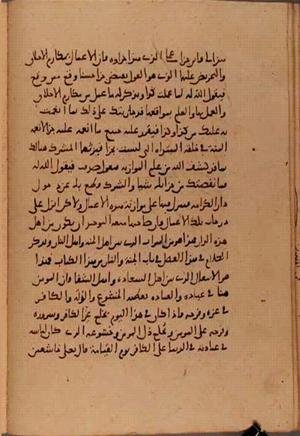
هٰذا لي، فأين جزاء عملي الذي هٰذا جزاؤه؟» فإن الأعمال بمكارم الأخلاق والتحريض عليها، الذي هو القول، يقتضي جزاء حسنا، وقع ممن وقع.

فيقول الله له: «لما عملت كذا»، ويذكر له ما عمل من مكارم الأخلاق والعمل بها والعلم بمواقعها، «قد جازيتك على ذٰلك بما أنعمت به عليك من كذا وكذا».

فيقرر عليه جميع ما أنعمه عليه جزاء، لا نعمة المنة في خلقه المبتدأة التي ليست بجزاء، فيزنها المشرك هنالك بما قد كشف الله من علم الموازنة، فيقول: «صدقت».

فيقول الله له: «فما نقصتك من جزائك شيئا، والشرك قطع بك عن دخول دار الكرامة فتنزل فيها على موازنة هذه الأعمال.

ولكن انزل (من النار على دركات من نزل) على درجات تلك الأعمال، فإن صاحبها منعه التوحيد أن يكون من أهل هذه الدار».

فهٰذا هو من الميراث الذي بين أهل الجنة وأهل النار ونذكر الكلام في هٰذا الفصل في باب الجنة والنار من هٰذا الكتاب.

(انتقال صفات العز والذل)

فهٰذا هو الانتقال الذي بين أهل السعادة وأهل الشقاء فإن المؤمن هنا (أي في الدنيا) في عبادة والعبادة تعطيه الخشوع والذلة، والكافر في عزه وفرحه.

فإذا كان في هٰذا اليوم، (أي يوم القيامة) يخلع عز الكافر وسروره وفرحه على المؤمن ويخلع ذل المؤمن وخشوعه الذي كان لباسه في عبادته في الدنيا، على الكافر يوم القيامة. قال تعالى: ﴿خاشِعِينَ
Anglais

this is mine. Where is the recompense for my work, whose recompense is this?” Acting through noble character traits, and urging them—which is speech—requires a good recompense, whoever does it.

God tells him, “When you did such-and-such”—mentioning his noble character traits, his practice of them, and his knowledge of their places—“I requited you for that through the favors I bestowed upon you, such-and-such.”

He elicits his acknowledgment of all He bestowed as recompense, not the initial blessing of favor within his creation that is not recompense. The assigner of partners weighs it there through the knowledge of balancing God has unveiled, and says, “You have spoken truly.”

God tells him, “I have diminished your recompense by nothing. Assigning partners cut you off from entering the abode of honor and taking your place there in balance with these works.

“Instead, descend within the Fire to the descending levels of the one who took his place upon the ascending degrees of those works, for affirming oneness prevented their possessor from being among this abode’s people.”

This is part of the inheritance between the people of the Garden and the Fire. We shall discuss this section in this book’s chapter on the Garden and the Fire.

(The Passage of Attributes of Might and Lowliness)

This is the passage between the people of felicity and wretchedness. Here—meaning in this world—the believer worships, and worship gives him humility and lowliness, while the unbeliever is in his might and joy.

On this day—meaning the Day of Resurrection—the unbeliever’s might, pleasure, and joy are clothed upon the believer. The believer’s lowliness and humility, his clothing during worship in this world, are clothed upon the unbeliever on the Day of Resurrection. He said, exalted is He, “Humbled

Image du manuscritVolume du manuscrit 20 · Page 149

Les textes arabe et anglais sont reliés par le même identifiant de page de Konya. La répartition est approximative ; vérifiez le manuscrit.

Référence de la source du Caire

Ibn al-Arabi, The Meccan Revelations — Volume du manuscrit 20 · Page 149 — https://www.futmak.com/francais/konya/pages.php?id=6077&text=both