
Futmak · الفتوحات المكية · Meccan Revelations

Les Futûhât al-Makkiyya

Volume du manuscrit 18 · Page 116

Manuscrit de Konya

Ouvrir la source arabeOuvrir la traduction anglaise

Arabe

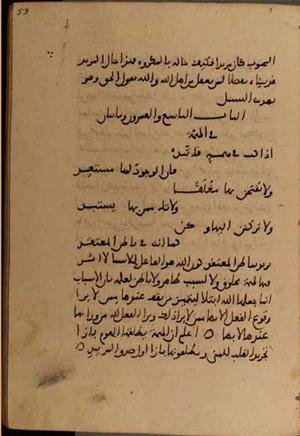
المحبوب كان مريدا، فكيف حاله بالمكروه؟ فهٰذا حال المريد قد بيناه مفصلا لمن يعقل من أهل الله، ﴿والله يَقُولُ الْحَقَّ وهُوَ يَهْدِي السَّبِيلَ﴾ [الأحزاب: ٤].

الباب التاسع والعشرون ومائتان في الهمة

إذا كنت في همة فاتئد

‏ فإن الوجود لها مستعد

ولا تفتحن بها مغلقا

ولا تك ممن بها يستبد

ولا تركنن إليها وكن

كما أنت في باطن المعتقد

نريد بـ«باطن المعتقد» كون الله هو الفاعل للأشياء، لا أثر فيها لهمة مخلوق ولا لسبب ظاهر ولا باطن، لعلمه بأن الأسباب إنما جعلها الله ابتلاء[30]، ليتميز من يقف عندها ممن لا يرى وقوع الفعل إلا بها، ممن لا يرى ذٰلك ويرى الفعل لله من ورائها، عندها لا بها.

(مراتب الهمة)

اعلم أن الهمة يطلقها القوم بإزاء تجريد القلب للمنى، ويطلقونها بإزاء أول صدق المريد،

Notes

[30]

(صُوِّب «جعلها لله» إلى «جعلها الله» بمقابلة الطبعة الجديدة.)
Anglais

that is beloved, he is willing. What, then, is his state with the unwelcome? We have explained the willing one’s state in detail for those among the people of God who understand. “God speaks the truth, and He guides the way” [al-Ahzab 33:4].

Chapter Two Hundred and Twenty-Nine: Aspiration

When you possess aspiration, be deliberate,

for existence is prepared for it.

Do not open what is closed through it,

nor be one who acts despotically through it.

Do not lean upon it, but remain

as you are in belief’s inward meaning.

By ‘belief’s inward meaning’ we mean that God acts upon things. Neither a creature’s aspiration nor an outward or inward cause has any effect within them. He knows that God placed causes only as a trial,[30] to distinguish one who stops at them, seeing the act’s occurrence only through them, from one who does not see this and sees the act as God’s, beyond them, in their presence rather than through them.

(Aspiration’s Ranks)

Know that the Folk use aspiration for stripping the heart for wishes. They also use it for the murīd’s first truthfulness,

Notes

[30]

(“جعلها لله” was corrected to “جعلها الله” [“God placed them”] by comparison with the new edition.)

Translator’s note TN5442-1: Aspiration renders himma. The source denies an effect to aspiration and causes here, then describes their experienced effects and differing ranks in the ensuing discussion. Its distinction between action ‘in their presence’ (ʿindahā) and ‘through them’ (bihā) is retained.

Image du manuscritVolume du manuscrit 18 · Page 116

Les textes arabe et anglais sont reliés par le même identifiant de page de Konya. La répartition est approximative ; vérifiez le manuscrit.

Référence de la source du Caire

Ibn al-Arabi, The Meccan Revelations — Volume du manuscrit 18 · Page 116 — https://www.futmak.com/francais/konya/pages.php?id=5442&text=both