
Futmak · الفتوحات المكية · Meccan Revelations

Les Futûhât al-Makkiyya

Volume du manuscrit 17 · Page 111

Manuscrit de Konya

Ouvrir la source arabeOuvrir la traduction anglaise

Arabe

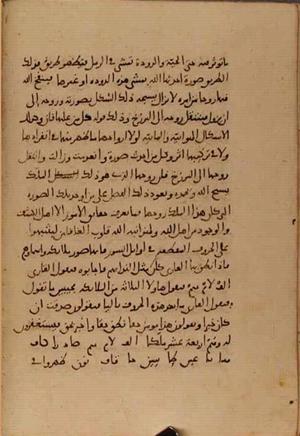
ما تؤثر فيه، حتى الحية والدودة تمشي في الرمل فيظهر طريق، فذٰلك الطريق صورة أحدثها الله بمشي هذه الدودة أو غيرها، فينفخ الله فيها روحا من أمره، لا يزال يسبحه ذٰلك الشكل بصورته وروحه إلى أن يزول. فتنتقل روحه إلى البرزخ، وذٰلك قوله: ﴿كُلُّ من عَلَيْها فانٍ﴾ [الرحمن: ٢٦].

وكذٰلك الأشكال الهوائية والمائية، لولا أرواحها ما ظهر منها في انفرادها ولا في تركيبها أثر. وكل من أحدث صورة وانعدمت وزالت وانتقل روحها إلى البرزخ، فإن روحها الذي هو ذٰلك الملك يسبح الله ويحمده، ويعود ذٰلك الفضل على من أوجد تلك الصورة التي كان هٰذا الملك روحها. فما يعرف حقائق الأمور إلا أهل الكشف والوجود من أهل الله.

(الحروف المقطعة ونداء الملائكة)

ولهٰذا نبه الله قلوب الغافلين ليتنبهوا على الحروف المقطعة في أوائل السور، فإنها صور ملائكة وأسماؤهم. فإذا نطق بها القارئ كان مثل النداء بهم، فأجابوه. فيقول القارئ: «ألف لام ميم»، فيقول هٰؤلاء الثلاثة من الملائكة مجيبين: «ما تقول؟» فيقول القارئ ما بعد هذه الحروف تاليا، فيقولون: «صدقت»، إن كان خبرا، ويقولون: «هٰذا مؤمن حقا، نطق حقا وأخبر بحق»، فيستغفرون له.

وهم أربعة عشر ملكا: ألف، لام، ميم، صاد، راء، كاف، هاء، ياء، عين، طاء، سين، حاء، قاف، نون. ظهروا
Anglais

it affects, even a snake or a worm moving in sand, so that a track appears, that track being a form God brings about through the movement of this worm or another—without breathing into it a spirit from His command. That shape continually glorifies Him through its form and spirit until it disappears. Its spirit then passes to the barzakh. This is His saying, “Everyone upon it passes away” [al-Rahman 55:26].

Likewise with airy and watery shapes: without their spirits, no effect would appear from them, singly or in combination. Whoever brings about a form that then becomes nonexistent and disappears, its spirit passing to the barzakh, that spirit—the angel—glorifies and praises God. The benefit of this returns to the one who brought about the form of which this angel was the spirit. Only the people of unveiling and finding among the Folk of God know things’ realities.

(The Disjoined Letters and Calling the Angels)

Hence God alerts the hearts of the heedless to take notice of the disjoined letters at the beginnings of surahs, for they are angels’ forms and names. When the reciter utters them, it is like calling them, and they answer him. The reciter says, “Alif Lam Mim.” These three angels answer, “What do you say?” The reciter then recites what follows these letters, and they say, “You speak truly,” if it is a report. They say, “This is truly a believer, speaking truly and reporting the right,” and seek forgiveness for him.

They are fourteen angels: Alif, Lam, Mim, Ṣad, Raʾ, Kaf, Haʾ, Yaʾ, ʿAyn, Ṭaʾ, Sin, Ḥaʾ, Qaf, and Nun. They appeared

Image du manuscritVolume du manuscrit 17 · Page 111

Les textes arabe et anglais sont reliés par le même identifiant de page de Konya. La répartition est approximative ; vérifiez le manuscrit.

Référence de la source du Caire

Ibn al-Arabi, The Meccan Revelations — Volume du manuscrit 17 · Page 111 — https://www.futmak.com/francais/konya/pages.php?id=5121&text=both