
Futmak · الفتوحات المكية · Meccan Revelations

Les Futûhât al-Makkiyya

Volume du manuscrit 16 · Page 298

Manuscrit de Konya

Ouvrir la source arabeOuvrir la traduction anglaise

Arabe

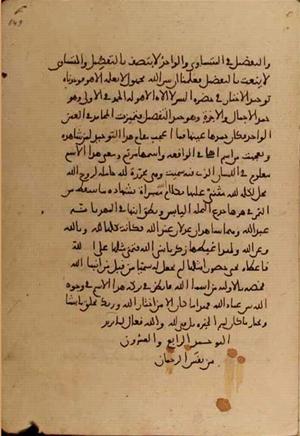
والتفضيل في المتساوي. والواحد لا يتصف بالتفضيل، والمتساوي لا ينعت بالتفضيل؛ فعلمنا أن سر الله مجهول لا يعلمه إلا هو.

فوجدناه توحيد الاختيار في حضرة السر، لا إله إلا هو، له الحمد في الأولى [القصص: ٧٠]، وهو حمد الإجمال، والآخرة، وهو حمد التفصيل؛ فتميزت المحامد في العين الواحدة فكان حمدها عينها فما أعجب مقام هٰذا التوحيد لمن شاهده!

(اسم مريم ودلالة الواقعة)

وتعجبت من اسم أهلي في الواقعة، واسمها مريم، ومعنى هٰذا الاسم معلوم في اللسان الذي فيه سميت وهي محررة لله، حاملة لروح الله، محل لكلمة الله، مثنى عليها بكلام الله، مبرأة بشهادة ما سقط من التمر في هزها جذع النخلة اليابس ونطق ابنها في المهد بأنه عبد الله، وهما شاهدان عدلان عند الله.

فكانت كلها لله وبالله وعن الله؛ ولهٰذا غبطها زكريا نبي الله فتمنى مثلها على الله، فأعطاه يحيى حصورا مثلها لم يجعل له سميا من قبل من أنبياء الله فخصه بالأولية من أسماء الله.

فانظر في بركة هٰذا الاسم في وجود الله بين عباد الله. فهٰذا ما كان إلا من اختيار الله. ﴿ورَبُّكَ يَخْلُقُ ما يَشاءُ ويَخْتارُ ما كانَ لَهُمُ الْخِيَرَةُ﴾ [القصص: ٦٨]، بل هي لله والله ﴿فَعَّالٌ لِما يُرِيدُ﴾ [هود: ١٠٧].

التوحيد الرابع والعشرون

من نَفَس الرحمن،
Anglais

and preference among equals. The one cannot be described through preference, nor can the equal be qualified by preference. We knew that God’s secret is unknown, known only to Him.

We found it to be the affirmation of oneness of choice within the Presence of the Secret: “There is no deity but He. His is praise in the first” [al-Qasas 28:70], the praise of summation, “and the last,” the praise of detail. Praises became distinct within the single entity, and its praise was its very entity. How wondrous this affirmation’s station is for one who witnesses it!

(The Name Maryam and the Vision’s Indication)

I wondered at my wife’s name within the vision. Her name is Maryam. This name’s meaning is known in the language in which she was named. She is dedicated freely to God, bearing God’s Spirit, a locus for God’s Word, praised through God’s speech, and cleared by the testimony of the dates that fell when she shook the dry palm trunk and her son’s speech in the cradle that he was God’s servant. These are two upright witnesses with God.

She was wholly for God, through God, and from God. For this reason Zechariah, God’s prophet, envied her blessed condition and asked God for her like. He gave him John, chaste like her, with no previous namesake among God’s prophets. He distinguished him through firstness from God’s names.

Look at this name’s blessing in God’s existence among God’s servants. This came only through God’s choice. “Your Lord creates what He wills and chooses; the choice is not theirs” [al-Qasas 28:68]. It belongs to God. God is “Doer of whatever He wills” [Hud 11:107].

Twenty-Fourth Affirmation of Oneness

From the Breath of the All-Merciful:

Notes

Translator’s note TN4992-1: The paragraph moves from the wife’s name within the vision to the attributes of Maryam and her son in the scriptural account. The juxtaposition is retained without introducing a separate physical event or identifying the individuals.

Image du manuscritVolume du manuscrit 16 · Page 298

Les textes arabe et anglais sont reliés par le même identifiant de page de Konya. La répartition est approximative ; vérifiez le manuscrit.

Référence de la source du Caire

Ibn al-Arabi, The Meccan Revelations — Volume du manuscrit 16 · Page 298 — https://www.futmak.com/francais/konya/pages.php?id=4992&text=both