
Futmak · الفتوحات المكية · Meccan Revelations

Les Futûhât al-Makkiyya

Volume du manuscrit 16 · Page 297

Manuscrit de Konya

Ouvrir la source arabeOuvrir la traduction anglaise

Arabe

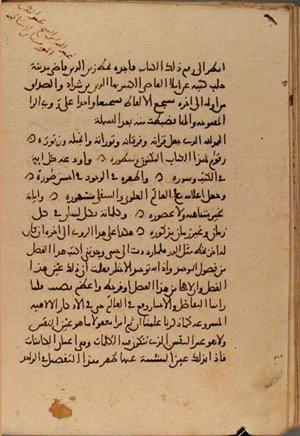
أنظر إلى رقم ذٰلك الكتاب فأجده بخط زين الدين عبد الله بن الشيخ عبد الرحمن، المعروف بابن الأستاذ، قاضي مدينة حلب، كتبه عن إملاء القاضي الكبير بهاء الدين بن شداد. والصداق من أوله إلى آخره مسجع الألفاظ تسجيعا واحدا على روى الراء المفتوحة والهاء.

فضبطت منه بعد البسملة: «الحمد لله الذي جعل قرآنه وفرقانه وتوراته وإنجيله وزبوره رقوم هٰذا الكتاب المكنون وسطوره، فأودعه كل آية في الكتب وسورة، وأظهره في الوجود في أحسن صوره، وجعل إعلامه في العالم العلوي والسفلي مشهورة، وآياته غير متناهية ولا محصورة، وكلماته بكل لسان في كل زمان وغير زمان مذكوره».

هكذا على هٰذا الروي إلى آخره، إن كان له آخر، بخط مثل الذر. فلما رددت إلى حسي وجدتني أكتب هٰذا الفصل من فصول التوحيد، وإذا به توحيد الاختيار، فعلمت أن ذٰلك عين هٰذا الفصل وأن لأهلي من هٰذا الفصل أوفر حظ وأعظم نصيب.

(سر الاختيار)

فلما رأينا التفاضل والاختيار وقع في العالم حتى في الأذكار الإلهية المشروعة كما ذكرنا، علمنا إن ثم أمرا معقولا ما هو عين النَّفَس ولا هو غير النَّفَس الذي تتكون فيه الكلمات، وهي أعيان الكائنات.

فإذا بذٰلك عين المشيئة، عنها ظهر هٰذا التفضيل في الواحد
Anglais

looking at the writing of that document and finding it in the hand of Zayn al-Din ʿAbd Allah ibn the Shaykh ʿAbd al-Rahman, known as Ibn al-Ustadh, judge of Aleppo, written from the dictation of the great judge Bahaʾ al-Din ibn Shaddad. From beginning to end the dower document was in one rhyming prose cadence, upon rāʾ bearing a fatḥa and hāʾ.

After the basmala I retained: “Praise be to God, who made His Qurʾan, His Criterion, His Torah, His Gospel, and His Psalms the markings and lines of this hidden Book; deposited within it every verse and chapter in the Books; brought it forth in existence in its finest form; made its proclamation renowned in the upper and lower worlds, its signs neither ending nor bounded, and its words mentioned in every tongue, in every time and beyond time.”

It continued upon this rhyme to its end, if it had an end, in writing like tiny ants. When I was returned to my senses, I found myself writing this section of the sections of affirming oneness. It was the affirmation of oneness of choice. I knew that this was the very section and that my wife had the fullest share and greatest portion in it.

(The Secret of Choice)

When we saw difference of excellence and choice occurring in the world, even within prescribed divine remembrances as we mentioned, we knew there was an intelligible matter neither the very breath nor other than the breath within which the words, the entities of generated beings, are formed.

It proved to be the very will, from which this preference appeared within the one

Notes

Translator’s note TN4991-1: The Arabic document’s cadence is described through rāʾ bearing fatḥa and hāʾ. Its wording is translated without inventing a corresponding English rhyme or changing the document’s scope.

Image du manuscritVolume du manuscrit 16 · Page 297

Les textes arabe et anglais sont reliés par le même identifiant de page de Konya. La répartition est approximative ; vérifiez le manuscrit.

Référence de la source du Caire

Ibn al-Arabi, The Meccan Revelations — Volume du manuscrit 16 · Page 297 — https://www.futmak.com/francais/konya/pages.php?id=4991&text=both