Les Futûhât al-Makkiyya

Volume du manuscrit 16 · Page 101

Manuscrit de Konya

Ouvrir la source arabeOuvrir la traduction anglaise

Arabe

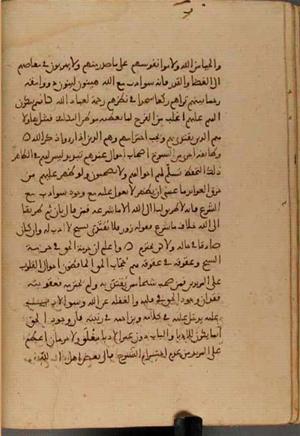
والحياء من الله ولاموا نفوسهم على ما صدر منهم ولا يهربون في معاصيهم إلى القضاء والقدر؛ فإنه سوء أدب مع الله.

هينون لينون، ذوو مقة، ﴿رُحَماءُ بَيْنَهُمْ تَراهُمْ رُكَّعاً سُجَّداً﴾ [الفتح: ٢٩] في نظرهم رحمة لعباد الله كأنهم يبكون، الهم عليهم أغلب من الفرح لما يعطيه موطن التكليف فمثل هٰؤلاء هم الذين يقتدي بهم ويجب احترامهم وهم الذين إذا رءوا ذكر الله.

(أصحاب الأحوال وحدود الاقتداء)

وطائفة أخرى من الشيوخ أصحاب أحوال، عندهم تبديد، ليس لهم في الظاهر ذٰلك التحفظ تسلم لهم أحوالهم، ولا يصحبون ولو ظهر عليهم من خرق العوائد ما عسى إن يظهر لا يعول عليه مع وجود سوء أدب مع الشرع؛ فإنه لا طريق لنا إلى الله إلا ما شرعه فمن قال بأن ثم طريقا إلى الله خلاف ما شرع، فقوله زور؛ فلا يقتدى بشيخ لا أدب له[11] وإن كان صادقا في حاله، ولكن يحترم.

واعلم أن حرمة الحق في حرمة الشيخ وعقوقه في عقوقه. هم حجاب الحق الحافظون أحوال القلوب على المريدين فمن صحب شيخا ممن يقتدي به ولم يحترمه، فعقوبته فقدان وجود الحق في قلبه والغفلة عن الله وسوء الأدب عليه يدخل عليه في كلامه ويزاحمه في رتبته.

فإن وجود الحق إنما يكون للادباء، والباب دون غير الأدباء مغلق ولا حرمان أعظم على المريد من عدم احترام الشيوخ.

قال بعض أهل الله

Notes

[11]

(يفرق المؤلف هنا بين احترام صاحب الحال وبين الاقتداء به؛ ويجعل موافقة الشرع شرطا للاقتداء.)
Anglais

and shame before God, blaming their selves for what proceeded from them. In their disobedience they do not flee to decree and destiny, for that is poor courtesy toward God.

They are easy, gentle, and affectionate, “merciful among themselves; you see them bowing and prostrating” [al-Fath 48:29]. Their gaze has mercy for God’s servants, as though weeping. Care predominates over joy, as the abode of obligation requires. Such are those whose example is followed and who must be respected: seeing them brings remembrance of God.

(People of States and the Limits of Following)

Another group of shaykhs are people of states, marked by scattering and without that outward restraint. Their states are conceded, but they are not accompanied. Whatever breaking of customary courses appears through them is not relied upon while poor courtesy toward revealed law exists. There is no way for us to God except what He prescribed. Whoever says there is a way to God contrary to what He prescribed speaks falsely. A shaykh without courtesy is therefore not followed[11], even if truthful in his state, but he is respected.

Know that the Real’s sanctity is in the shaykh’s sanctity, and offending Him is in offending him. They are the Real’s veils, preserving disciples’ hearts’ states. Whoever accompanies a shaykh worthy of following without respecting him is punished by deprivation of finding the Real in his heart, heedlessness of God, and poor courtesy toward him: he intrudes upon his speech and crowds him in his rank.

Finding the Real belongs only to the courteous. The door is closed to others. No deprivation is greater for the disciple than failing to respect shaykhs.

One of God’s people said

Notes

[11]

(The author distinguishes respecting a possessor of a state from following his example, making agreement with revealed law a condition of following.)

Translator’s note TN4795-1: Tabdīd is scattering or dissipation; no particular behavior is supplied. The paragraph explicitly preserves respect while withholding companionship and imitation where conduct lacks courtesy toward revealed law. Finding the Real renders experiential wujūd al-Ḥaqq in the heart.

Image du manuscritVolume du manuscrit 16 · Page 101

Les textes arabe et anglais sont reliés par le même identifiant de page de Konya. La répartition est approximative ; vérifiez le manuscrit.

Référence de la source du Caire

Ibn al-Arabi, The Meccan Revelations — Volume du manuscrit 16 · Page 101 — https://www.futmak.com/francais/konya/pages.php?id=4795&text=both