
Futmak · الفتوحات المكية · Meccan Revelations

Les Futûhât al-Makkiyya

Volume du manuscrit 15 · Page 101

Manuscrit de Konya

Ouvrir la source arabeOuvrir la traduction anglaise

Arabe

إِلَّا لِيَعْبُدُونِ﴾ [الذاريات: 56] فأوجدنا له لا لنا، فطلبناه لنا لا له بما خلقنا له؛ فـ﴿الْتَفَّتِ السَّاقُ بِالسَّاقِ﴾ [القيامة: 29].

فأمر الصحبة عظيم وشأنها كبير، وما يرعاها إلا الأكابر.

(حكاية في رعاية حق الصحبة)

وأحسن ما بلغني في رعى حقها والقيام به ما حكي عن الحجاج رحمه الله أنه أمر بضرب عنق شخص، فقال: «لي أمر أحب أن أذكره للأمير قبل أن يقتلني».

فقال له الحجاج: «قل». قال: «أيها الأمير، لا أحب أن أقوله لك إلا حتى تتركني مكتوفا بحالي أمشي معك في إيوانك هٰذا من أوله إلى آخره، وما على الأمير في ذٰلك من بأس ولا يحول ذٰلك بينه وبين ما يريده مني ويقضي لي بهٰذا حاجة».

فقال لحاجبه: «أصعد به إلي». وقام الحجاج يسايره في الإيوان ويصغي إليه ليرى ما ذا يقول له.

فلما بلغ معه إلى آخر الإيوان وعاد إلى مكانه، قال: «أيها الأمير، إن الكريم يراعي حق صحبة ساعة وقد صحبني الأمير وصحبته في هذه المشية، والأمير أولى من راعى حق الصحبة».

فقال الحجاج: «خلوا سبيله؛ فو الله لقد صدق، ولقد نبه عاقلا. فلو قتلته لكنت ألأم الناس».

ثم أمر أن يجزل له في الأعطية وخيره في صحبته والإقامة عنده، فما أدري بعد ذٰلك هل أقام عنده أم لا.

فهٰذا من أحسن ما يسمع في حق الصحبة من الوفاء به والرعاية. هٰذا من الحجاج.

فلا بد لعبيد الله أن يخلصوا مع الله نفسا واحدا
Anglais

only to worship Me” [al-Dhariyat 51:56]. He brought us into existence for Himself, not for us. Through what He created us for, we sought Him for ourselves, not for Him, so “shin was entwined with shin” [al-Qiyamah 75:29].

Companionship is a tremendous affair of great importance. Only the great observe it.

(An Account of Observing the Right of Companionship)

The finest account reaching me of observing and fulfilling its right is what is related of al-Hajjaj, may God have mercy upon him. He commanded that a person’s neck be struck. The man said, “There is something I would like to mention to the emir before he kills me.”

Al-Hajjaj said, “Speak.” He said, “Emir, I wish to tell you only if you leave me bound as I am and let me walk with you in this hall from one end to the other. There is no harm for the emir in this; it will not prevent him doing what he wishes with me, and it will fulfill a need for me.”

He told his chamberlain, “Bring him up to me.” Al-Hajjaj rose and walked alongside him in the hall, listening to hear what he would say.

When he had reached the end of the hall with him and returned to his place, the man said, “Emir, a generous person observes the right of an hour’s companionship. The emir accompanied me and I accompanied him in this walk. The emir has the greatest claim to observing companionship’s right.”

Al-Hajjaj said, “Release him. By God, he has spoken truthfully and alerted a rational man. Had I killed him, I would have been the basest of people.”

Then he commanded that he be given generous gifts and offered him the choice of his companionship and staying with him. I do not know whether he stayed with him afterward.

This is among the finest accounts heard of fulfilling and observing companionship’s right. This is from al-Hajjaj.

God’s servants must therefore be sincere with God for a single breath

Notes

Translator’s note TN4479-1: The entwined-shins quotation follows the contrasting divine and human purposes stated in the prose. The story, including the prayer for al-Hajjaj, is retained as the author’s reported example of observing companionship, without adding historical identification or evaluation.

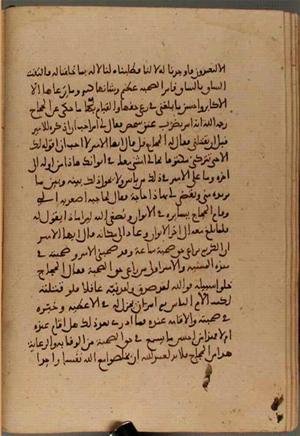
Image du manuscritVolume du manuscrit 15 · Page 101

Les textes arabe et anglais sont reliés par le même identifiant de page de Konya. La répartition est approximative ; vérifiez le manuscrit.

Référence de la source du Caire

Ibn al-Arabi, The Meccan Revelations — Volume du manuscrit 15 · Page 101 — https://www.futmak.com/francais/konya/pages.php?id=4479&text=both