
Futmak · الفتوحات المكية · Meccan Revelations

Les Futûhât al-Makkiyya

Volume du manuscrit 15 · Page 97

Manuscrit de Konya

Ouvrir la source arabeOuvrir la traduction anglaise

Arabe

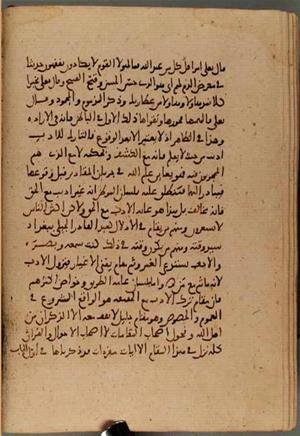
قال تعالى آمرا: ﴿قُلْ كُلٌّ من عِنْدِ الله فَما لِهٰؤلاء الْقَوْمِ لا يَكادُونَ يَفْقَهُونَ حَدِيثاً﴾ [النساء: 78] في معرض الذم لهم، أي هو الذي حسن الحسن وقبح القبيح. وقال تعالى مخبرا: ﴿كُلًّا نُمِدُّ هٰؤلاء وهٰؤلاء من عَطاءِ رَبِّكَ﴾ [الإسراء: 20] وذكر المذموم والمحمود. وقال تعالى: ﴿فَأَلْهَمَها فُجُورَها وتَقْواها﴾ [الشمس: 8] ذٰلك الأول في الباطن؛ فإنه في الإرادة، وهٰذا في الظاهر؛ إذ لا يعتبر إلا بعد الوقوع.

(ترك الأدب وحكم الكشف)

فالتارك للأدب أديب من حيث لا يعلم؛ فإنه مع الكشف وبحكمه، لا مع الذي هم المحجوبون فيه فهو يعاين علم الله في جريان المقادير قبل وقوعها، فيبادر إليها فينطلق عليه بلسان الموطن أنه غير أديب مع الحق؛ فإنه مخالف. بل هٰذا هو غاية الأدب مع الحق ولكن أكثر الناس لا يشعرون.

ومنهم من يقام في الإدلال كعبد القادر الجيلي ببغداد، سيد وقته. ومنهم من يكون وقته في ذٰلك: «كنت سمعه وبصره». والأدب يستدعي الغير، وثم مقام يفني الأغيار، فيزول الأدب؛ لأنه ما ثم مع من.

وأما بلسان عامة الطريق وخواص أكثرهم فإن مقام ترك الأدب مع الحقيقة هو الواقع المشروع في العموم والخصوص، وهو مقام جليل لا يقف معه إلا الذكران من أهل الله وفحول أصحاب المقامات، لا أصحاب الأحوال. والقرآن كله نزل في هٰذا المقام إلا آيات مفردات قد ذكرناها في أول الباب.
Anglais

He, exalted is He, commanded, “Say: All is from God. What is wrong with these people that they scarcely understand any discourse?” [al-Nisaʾ 4:78], in reproaching them. That is, He is the One who made the good good and the bad bad. He reported, “Each do We support, these and those, from your Lord’s giving” [al-Israʾ 17:20], mentioning the blameworthy and praiseworthy. He also said, “He inspired it with its depravity and its Godwariness” [al-Shams 91:8]. The former is inward, for it concerns will; this is outward, since it is considered only after occurrence.

(Leaving Courtesy and the Ruling of Unveiling)

One leaving courtesy is courteous without knowing it, for he is with unveiling and under its ruling, not with that within which the veiled are. He witnesses God’s knowledge in the courses of decrees before they occur and hastens to them. In the language of the setting he is called lacking in courtesy toward right, for he acts contrary to it. Rather, this is the utmost courtesy toward right, but most people do not perceive.

Some are established in bold familiarity, like ʿAbd al-Qadir al-Jili in Baghdad, the master of his time. Others have as their moment in this, “I was his hearing and sight.” Courtesy calls for an other. There is a station that effaces others, so courtesy disappears, for there is no one with whom to observe it.

In the language of the generality of the path and most of its elect, the station of leaving courtesy toward reality is what occurs and is prescribed, generally and particularly. It is a majestic station in which only the stalwarts among God’s people and the champions of the stations stand, not the possessors of states. The entire Qur’an descended in this station except for the individual verses we mentioned at the chapter’s beginning.

Notes

Translator’s note TN4475-1: Al-ḥaqq can name the Real or operative right. The paragraph deliberately presents conflicting courtesies, developed on the next page as instituted right versus reality; the translation retains that conflict rather than making unveiling a simple replacement for revealed right. “Stalwarts” and “champions” render the source’s emphatically masculine dhukrān and fuḥūl.

Image du manuscritVolume du manuscrit 15 · Page 97

Les textes arabe et anglais sont reliés par le même identifiant de page de Konya. La répartition est approximative ; vérifiez le manuscrit.

Référence de la source du Caire

Ibn al-Arabi, The Meccan Revelations — Volume du manuscrit 15 · Page 97 — https://www.futmak.com/francais/konya/pages.php?id=4475&text=both