
Futmak · الفتوحات المكية · Meccan Revelations

Les Futûhât al-Makkiyya

Volume du manuscrit 15 · Page 93

Manuscrit de Konya

Ouvrir la source arabeOuvrir la traduction anglaise

Arabe

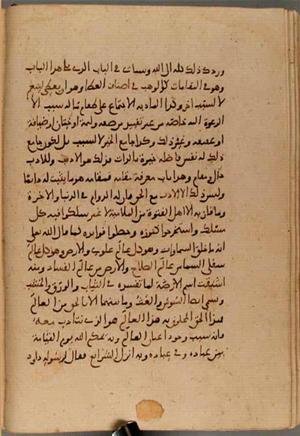
وردك ذٰلك كله إلى الله، وسيأتي في الباب الذي يلي هٰذا الباب وهو في المقامات كالوهب في أصناف العطاء وهو أن يعطي لينعم، لا لسبب آخر.

وكذا المأدبة الاجتماع على طعام ما له سبب إلا الدعوة إليه خاصة، من غير تقييد من صفة وليمة أو ختان أو ضيافة أو عقيقة وغير ذٰلك وكذا جامع الخير لا لسبب، بل لكون جامع ذٰلك له نفس فاضلة خيرة بالذات؛ فذٰلك هو الأديب.

(مقام الأدب مع الحق)

وللأدب حال ومقام وهٰذا باب معرفة مقامه، فمقامه هو ما يثبت له دائما وليس ذٰلك إلا الأدب مع الحق؛ فإنه له الدوام في الدنيا والآخرة وما فاز به إلا أهل الفتوة من الملامية لا غير. سلكوا فيه كل مسلك واستخرجوا كنوزه وحصلوا فوائده.

كما قال الله تعالى إنه ما خلق السموات، وهو كل عالم علوي، والأرض، وهو كل عالم سفلي — السماء من عالم الصلاح والأرض من عالم الفساد، ومنه اشتقت اسم الأرضة لما تفسده في الثياب والورق والخشب ويسمى أيضا السوس والعث — ﴿وما بينهما إلا بالحق﴾ [الحجر: 85] من العالم.

فهٰذا الحق المخلوق به هٰذا العالم هو الذي نتأدب معه؛ فإنه سبب وجود أعيان العالم وبه يحكم الله يوم القيامة بين عباده وفي عباده، وبه أنزل الشرائع فقال لرسوله داود:
Anglais

and returning all of this to God. It will come in the chapter after this one. Among stations it is like pure gift among kinds of giving: giving to bestow favor, for no other cause.

Likewise, a banquet, maʾdubah, is gathering over food for no cause except the invitation itself, without being limited to a wedding feast, circumcision, hospitality, a birth offering, or another occasion. Likewise one gathers good for no cause, but because the one gathering it possesses a virtuous self, intrinsically good. This is the courteous one.

(The Station of Courtesy toward Right)

Courtesy has a state and a station, and this chapter concerns knowing its station. Its station is what belongs to it permanently: only courtesy toward right, which endures in this world and the Hereafter. None attain it except the people of spiritual chivalry among the people of blame. They have followed every path in it, extracted its treasures, and obtained its benefits.

As God, exalted is He, says, He created the heavens—every higher world—and the earth—every lower world—and what lies between them of the world only “with right” [al-Hijr 15:85]. Heaven belongs to the world of soundness and earth to the world of corruption. From it the name arḍah derives because of its spoiling fabric, paper, and wood; it is also called weevil and moth.

This right, through which this world was created, is what we observe courtesy toward. It is the cause of the world’s entities coming to exist. Through it God judges between His servants and concerning His servants on the Day of Resurrection, and through it He sent down revealed laws. He said to His messenger David:

Notes

Translator’s note TN4471-1: “Right” renders al-ḥaqq in its normative role, through which the world is created and revealed laws govern; the next page explicitly distinguishes it from mere truthfulness. The people of blame are the Malāmiyyah. The derivation of arḍah from earth, arḍ, and the associated pest names are the author’s account.

Image du manuscritVolume du manuscrit 15 · Page 93

Les textes arabe et anglais sont reliés par le même identifiant de page de Konya. La répartition est approximative ; vérifiez le manuscrit.

Référence de la source du Caire

Ibn al-Arabi, The Meccan Revelations — Volume du manuscrit 15 · Page 93 — https://www.futmak.com/francais/konya/pages.php?id=4471&text=both